

Formulary restrictions and prior authorization requirements block access to newer PrEP options, while cost sharing over $50 cuts dispensing odds by 93%.
Formulary restrictions and prior authorization requirements block access to newer PrEP options, while cost sharing over $50 cuts dispensing odds by 93%.

The 2026 annual updates to the Standards of Care in Diabetes include wider CGM use, guidance on dosing of antiobesity drugs, and glycemic management during cancer therapy.

Blood-based monitoring could enable earlier intervention as approximately 20% of initially negative participants transitioned to positive biomarker status.
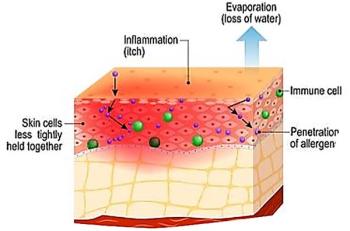
KT-621 achieved deep STAT6 degradation and strong 4-week EASI and itch reductions, offering a potential new oral option for moderate–severe AD and other Th2 inflammation-driven disease.

The study supports the feasibility of structured operational strategies to narrow dangerous gaps in guideline-recommended inpatient OSA testing, authors wrote.

Symptoms of the menopausal transition can be so disruptive that women consider leaving employment and yet many report misdiagnosis and inappropriate treatment.

Amid controversy, ACIP voted today to end the universal hepatitis B birth dose for infants of HBsAg-negative mothers, shifting to clinician-guided individual decision-making.

Adolescents acquiring smartphones at 12 showed increased risk for depression, obesity and sleep disturbances, according to a study of more than 10,000 youths.

The phase 3 results offer key lessons for metabolic and inflammatory pathway targets, ADDF notes, highlighting biomarker findings that advance Alzheimer science.

Clevenger, a professor of nursing at Emory University, shares practical strategies to manage agitation in Alzheimer disease, emphasizing that this symptom is treatable.

Semaglutide did not slow AD progression in phase 3 evoke trials. UK and US experts express disappointment but laud value of outcomes to continuing research.

Two-year structured lifestyle "recipe" slowed cognitive aging and enhanced both cardiovascular and sleep health in older adults at risk for cognitive decline.
Nearly one-third of caregivers hesitate to discuss agitation in a patient with AD. Emory's Clevenger, shares why and how clinicians can proactively address this barrier.

The Priority Review decision is based on phase 3 results showing consistent SBP reductions across uncontrolled and treatment-resistant hypertension subgroups.

Biomarker trajectories over 5 years in study participants with AD show steeper rises in pTau217, NfL, and amyloid burden among those with obesity, highlighting risk factor relevance.

The landmark global policy recognizes obesity as chronic disease requiring lifelong care, warns of inequitable access and proposes 3-pillar strategy targeting prevention, screening, treatment.
Emory's Clevenger discusses the neurotransmitter dysregulation behind agitation in AD and why memory-focused care doesn't address behavioral symptoms.

Psychiatric comorbidities affect 25% of AD patients. Here, a check list on when to screen, when to refer, and how to prevent accumulated psychological burden in primary care.

New safety and biomarker results from MK-2214 and MK-1167 advance Merck’s dual approach to Alzheimer therapy.

Two-thirds of participants experienced clinically meaningful response within 3 months; effects sustained through 12 months with mild adverse event profile.

Former CBER chief calls claims "misrepresentation." ID experts Offit and Osterholm criticize timing ahead of CDC advisory committee meeting next week.
Clevenger reviews survey findings behind the recent report "The Agitation Blindspot in Alzheimer’s Care."

A regular focus on mental heatlh during follow-ups with patients who have atopic dermatitis can be integrated simply with a few thoughtful questions.

Primary care is the ideal setting for management of atopic dermatitis, but certain scenarios, both physical and psychological, call for expert referral.

J&J halts phase 2b AuTonomy trial after anti-tau antibody posdinemab fails to slow clinical decline, marking another setback for tau-targeting therapeutics.

The H3N2 subclade K is dominating early flu season gobally; despite vaccine mismatch, vaccination remains the primary defense against severe illness and hospitalization.

Evoke trials testing semaglutide for Alzheimer disease missed primary endpoint, failing to demonstrate benefit on cognition despite positive effects on disease markers.

Topline data show the factor XIa inhibitor cut ischemic stroke risk without increasing ISTH major bleeding, pointing to a possible new option for secondary prevention.

Universal age-based screening, starting at age 40, could detect more than 90% of tumors compared to risk-based screening, according to Feinberg School of Medicine researchers.

Controlling atopic dermatitis signs and symptoms early can alter social, emotional, and functional outcomes, sometimes dramatically.