
Obesity Medicine
Latest News
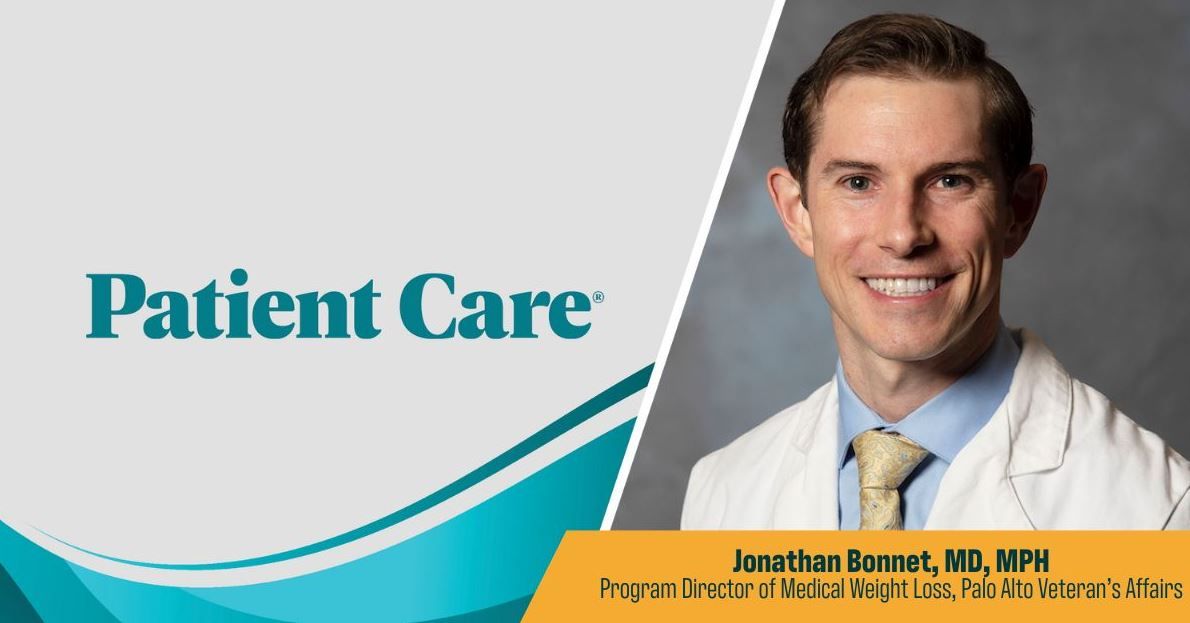


Muscle Loss During GLP-1 Therapy Top Concern for Patients Using the Antiobesity Medications
By Grace Halsey

Advertisement
Latest Videos







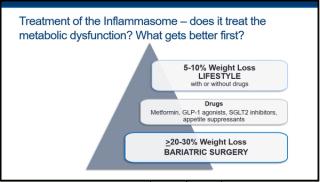
CME Content





























































































































Advertisement
More News

Type 2 diabetes and its high and rising rates in the US are the result of a perfect storm of converging systemic, behavioral, environmental, and economic factors.

Dr Khanna discusses how PCPs can use patient relationships to tailor lifestyle advice and manage obesity-related cardiometabolic disease.
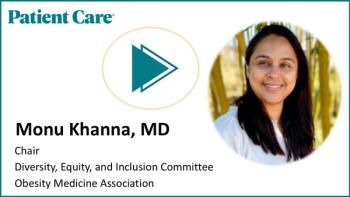
Dr Khanna urges early screening for cardiometabolic risk in patients with obesity and highlights the role of primary care in prevention and education.

Without a shift in the approach to disease prevention and management in the US, the health system won't be able to handle the burden of our morbidity, says Richard Rosenfeld, MD, MPH, MBA.
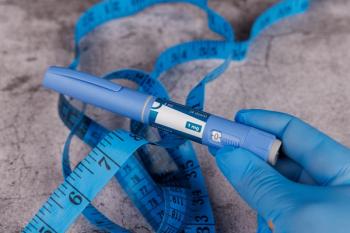
ENDO 2025. People with inconsistent access to GLP-1 medications still achieved clinically significant weight loss when therapy was combined with lifestyle changes and coaching.

Individuals newly classified with obesity using the European framework were found to be overall sicker and at greater risk for mortality.

Obesity medicine expert Bonnet answers questions about the downsides of GLP-1 therapy for obesity management and how lifestyle medicine interventions will help.
Monu Khanna, MD, discusses the benefits of behavioral strategies, including yoga, breathwork, and dancing, in reducing cardiovascular disease risk in patients with obesity.

ENDO 2025. Older adults, rural populations, and residents in the Midwest experienced the highest mortality rates, according to new data.

Treatment should address root causes, including lifestyle modifications, stress management, and gut health, Monu Khanna, MD, told Patient Care.

Jonathan Bonnet, MD, MPH, discusses common side effects of GLP-1 medications for obesity and how nutritional and behavioral strategies can help mitigate them.
Dr Khanna breaks down the bidirectional relationship and explains why standard pain management often falls short for people with obesity.

A recent study highlights the importance of medication adherence for significant weight loss and improved glycemic control in obesity treatment with GLP-1 agonists.
Monu Khanna, MD, discusses common medications, non-drug strategies, and holistic approaches to improve outcomes.
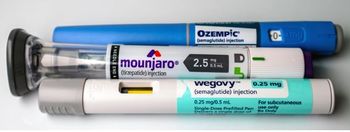
GLP-1 medications are transforming obesity medicine but strong evidence points to a need for integrating nutrition and lifestyle support for lasting weight loss and health benefits.
Dr Khanna discusses dosing challenges, metabolic issues, and potential complications from medications like acetaminophen.

Body fat percentage and waist circumference were both significantly associated with 15-year all-cause mortality while BMI had no significant association.

Caissa Troutman, MD, discusses how clinicians can tailor management plans to reduce risk of developing T2D in patients with obesity.

ADA 2025: Dapiglutide showed promising safety and weight loss results in a phase 1b trial, targeting obesity and inflammation with once-weekly dosing.
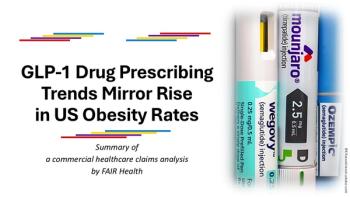
Obesity treatment evolves as GLP-1 medication use surges 587%, while bariatric surgery rates decline significantly. A new analysis parses the trends.

ADA 2025: Once-monthly dosing led to significant weight loss in adults with obesity, with or without type 2 diabetes, reported researchers.

Viking Therapeutics initiates phase 3 trials for VK2735, a promising dual incretin agonist targeting obesity and other metabolic disorders, based on strong phase 2 findings.

ADA 2025: Mifepristone lowered HbA1c levels by about 1.5% over 24 weeks vs placebo among participants with hypercortisolism and inadequately controlled T2D.

ADA 2025: The combination of the GLP-1 RA and novel monoclonal antibody yielded 92.8% of total weight loss from fat mass and 22.1% decrease in baseline weight.
Advertisement
Advertisement
Trending on Patient Care Online
1
First Oral Film Treatment for Erectile Dysfunction in Men Gains FDA Approval
2
Topline Phase 2 Data Show Roflumilast Cream Improves Atopic Dermatitis in Infants as Young as 3 Months
3
Weekly Dose Podcast: New Obesity Data, Insulin Guidance, and Mental Health Screening
4
Long-Term Data Support Sustained Bimekizumab Response in Hidradenitis Suppurativa
5