





























































































































Carmen Kosicek, MSN, PMHNP-BC, shares tips with patients about the use of zuranolone to treat MDD.

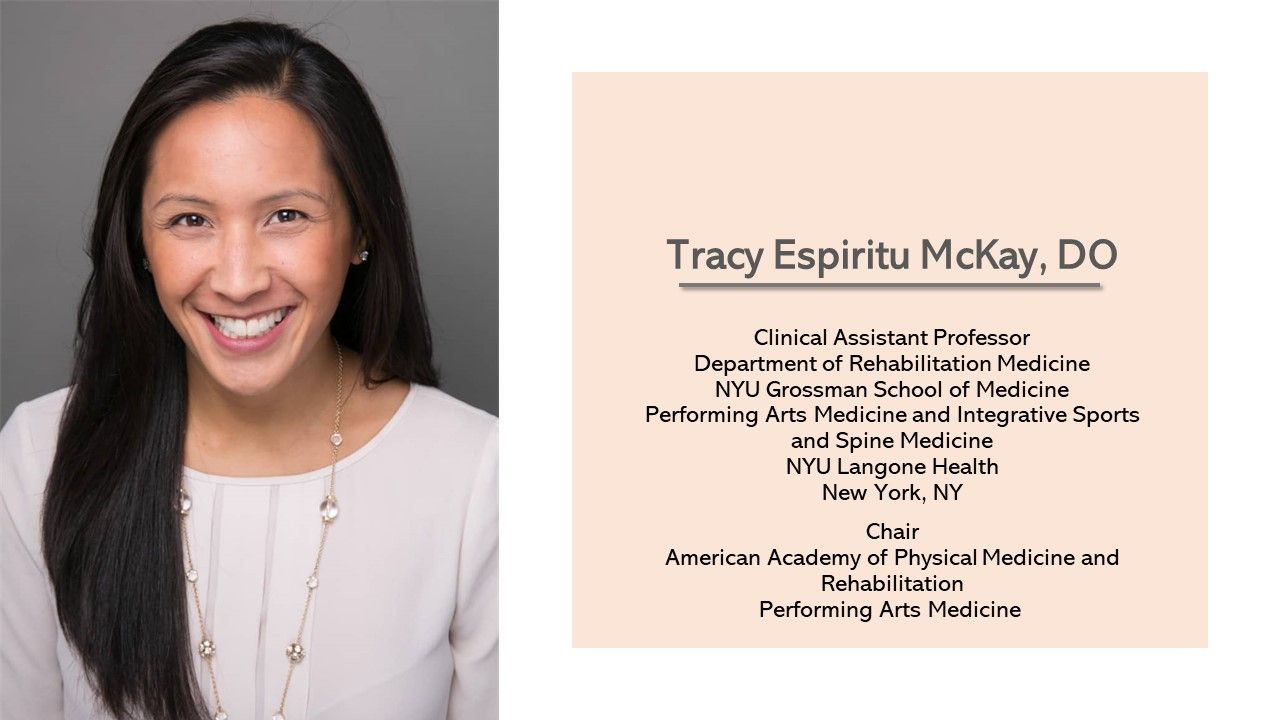
Physical Rehabilitation for Performing Artists is Sometimes a Negotiated Plan, says Physiatrist Dr Espiritu McKay

Long COVID is Still Real and Patients Still Need Validation, Especially for Mental Health Symptoms: Author Interview
Carmen Kosicek, MSN, PMHNP-BC, shares tips with patients about the use of zuranolone to treat MDD.

First nonprescription daily oral contraceptive pill, OTC opioid antagonist nasal spray for opioid overdose, and 5 more FDA-approved drugs primary care clinicians should know about.
Experts in psychiatry review adverse effects of zuranolone, a γ-aminobutyric acid (GABA) receptor modulator, in the treatment of MDD.
Roger S. McIntyre, MD, FRCPC, comments on the paradigm shift of the frequency of dosing in the treatment of MDD, highlighting GABAergic modulating treatments, as well as the use of therapy to improve mental health.

Your daily dose of the clinical news you may have missed.
Carmen Kosicek, MSN, PMHNP-BC, shares considerations on the perception of mental health treatment among diverse cultures and ages within the United States.
Experts in psychiatry comment on the use of GABAA receptor modulators in the treatment of major depressive disorder (MDD), highlighting zuranolone.

Roger S. McIntyre, MD, FRCPC; and Carmen Kosicek, MSN, PMHNP-BC; review the mechanism of action of newer therapies in MDD treatment.
Roger S. McIntyre, MD, FRCPC; and Carmen Kosicek, MSN, PMHNP-BC, discuss provider and patient communication about the time to onset of action of major depressive disorder (MDD) treatments and when the patient can expect to see a difference.

Results of a new study showed that greater intake of ultraprocessed foods, particularly artificial sweeteners and artificially sweetened beverages, was linked to a higher risk for depression.
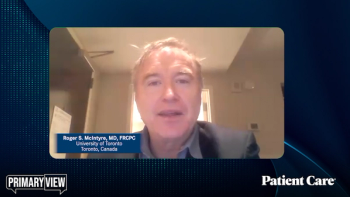
Roger S. McIntyre, MD, FRCPC, discusses the history of psychiatry and the conventional treatment and response times, leading into the current treatment armamentarium for treatment of major depressive disorder (MDD).
Carmen Kosicek, MSN, PMHNP-BC, reviews the definition of “rapid-acting” therapies as well as their role in treating major depressive disorder (MDD).

Elevated inflammation, rather than depression, may drive poor weight loss outcomes in patients with obesity following bariatric surgery, suggest authors of new study.

Results from a new study suggest that postnatal SSRI treatment may be beneficial in the long term for both women with postpartum depression and their children.

The US FDA approved zuranolone 50 mg as the first oral, once-daily treatment for postpartum depression in adults.

Greg Mattingly, MD, and Jeremey Schreiber, MSN, PMHNP-BC, provide their practice pearls for community psychiatrists and psychiatric nurse practitioners who care for patients with major depressive disorder (MDD) to optimize their treatment and management.

Experts provide an overview of novel treatments, including glutamatergic, GABAergic, and psychedelic drugs, that are either approved or currently being evaluated in clinical studies for MDD (major depressive disorders).

Greg Mattingly, MD, and Jeremey Schreiber, MSN, PMHNP-BC, discuss the typical strategies for switching therapies for major depressive disorder (MDD).

Practitioners discuss the need to treat patients with major depressive disorder (MDD) to a complete remission vs a decline in symptomology.

Greg Mattingly, MD, and Jeremey Schreiber, MSN, PMHNP-BC, discuss best practices for monitoring and follow-up with patients with major depressive disorder (MDD) to ensure treatment efficacy and safety.
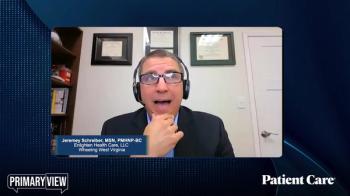
Practitioners discuss their approach to treatment with their patients with major depressive disorder (MDD).
Your daily dose of clinical news you may have missed.

Experts discuss how practitioners are viewing major depressive disorder (MDD) as a chronic condition vs an episodic condition.
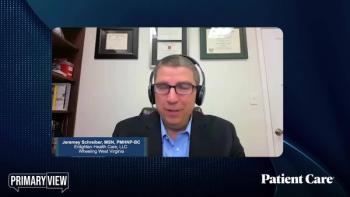
Greg Mattingly, MD, and Jeremey Schreiber, MSN, PMHNP-BC, discuss navigating the challenge of a “one size fits all approach” when treating and identifying the specific needs of patients with major depressive disorder (MDD).

The predictive value of loneliness for cardiovascular disease in patients with diabetes was stronger than traditional lifestyle risk factors in large UK Biobank analysis.