






























































































































Irregular sleeping patterns can increase risk of depression and lower daily mood over the long term, according to a new study of first-year medical students.
Irregular sleeping patterns can increase risk of depression and lower daily mood over the long term, according to a new study of first-year medical students.
Are you caught up on the latest guidance for the nonpharmacologic and pharmacologic treatment of major depressive disorder? Find out with this quick quiz.
Prevalence of depression in the US has increased nearly 3-fold since before COVID-19. Here, a primer on the best assessment tools for depression diagnosis in primary care.

Ketamine used in patients with treatment-resistant depression operates via serotonin 1B receptors by way of a previously unknown mechanism of action, according to a new study from Sweden.

Analysis of EEG data from patients with major depressive disorder predicted response to SSRI treatment with accuracy of nearly 80%, according to a new study.
Highlights from a recent evidence-based review offer guidance on feasible depression treatments in primary care.
Highlights of an evidence-based review offer practical guidance for effective depression screening and assessment strategies for primary care physicians.
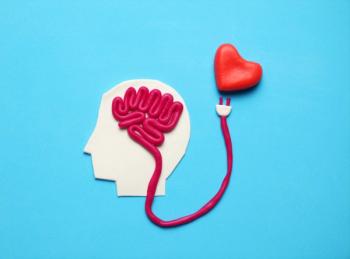
A new study being presented next week at AHA's 2019 Scientific Sessions found a strong link between depression and non-fatal heart disease.
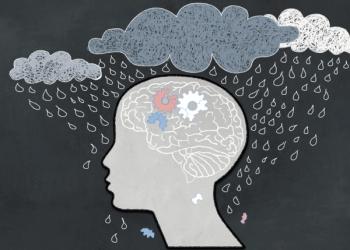
A new study suggests that deep brain stimulation may be a safe and effective treatment option for patients with treatment-resistant depression.
Highlights: The first liquid solution of colchicine for prophylaxis of gout, the first generic version of Advair Diskus, and 8 more new and approved drugs.

This month, our app reviewer selected the top 5 depression apps that you and your patients can use. Which ones made the cut?
Five tips for PCPs on managing treatment-resistant depression were offered at the ACP Internal Medicine Meeting 2018 today. Patient Care offers a summary.
The association remained statistically significant even after adjusting for age, waist circumference, smoking, and other confounders.

Successful identification and treatment of depression is possible in busy primary care settings. Here are 5 questions about depression to test your knowledge.

The reasons reflect the silence that surrounds depression, its basic invisibility, and the mistaken notion that it can't be dealt with in primary care.

The merging of primary psychiatric care with primary medical care is urgently needed. Here’s why.

“Maybe (like me) you just want to know why our colleagues die by suicide at twice the rate of their patients” asks this family physician. Here: results from 4 “psychological autopsies.”

Mr M's diabetes remained stubbornly uncontrolled despite all appropriate clinical interventions. The day I read his first psychiatric hospital admission history I was stunned to see on paper what we had all missed in the flesh. What value is adherence to treatment in the face of sheer hopelessness?
The use of vitamin D decreases pain in women who have type 2 diabetes mellitus and depression, according to a recent study, and more research is in the works.
This case highlights medication errors that can result from drug interactions noted with the use of tamoxifen or other chemotherapeutic agents.
Data from pivotal international phase III clinical trials showed superior efficacy, safety, and convenience for a new wave of direct-acting oral agents. The breakthrough will benefit physicians in all practice settings, including primary care.
The “take home” from this presentation: be cautious with inappropriate use of drugs with or without black box warnings, but maintain a healthy skepticism about some of these warnings. Cases in point: droperidol, antidepressants, clindamycin.

A patient no-shows. What's your gut reaction? Be honest. Relief, right? But after the relief is drowned in a flood of walk-ins and emergencies, I wonder about my role in community medicine.
Identifying and managing unrecognized obstructive sleep apnea before surgery can improve postoperative airway function.
The drive to screen older persons for minor memory changes is leading to unnecessary investigation and potentially harmful treatment, according to some experts.