



















































































































Hypertension

Latest News


CME Content


Abstract: Obstructive sleep apnea-hypopnea syndrome (OSAHS) is a common, yet often overlooked, form of symptomatic sleep-disordered breathing. OSAHS is a cause for concern for several reasons, one of which is its association with cardiovascular disease. Risk factors include obesity, hypertension, and upper airway malformations. Diagnostic clues include habitual snoring, witnessed apneas, choking arousals, excessive daytime sleepiness, and large neck circumference. Polysomnography is the definitive diagnostic test; it pro- vides objective documentation of apnea and hypopnea. Since OSAHS may contribute to adverse postsurgical events, consideration of this syndrome should be part of the preoperative assessment of patients. (J Respir Dis. 2006;27(4):144-152)
A 36-year-old man with a 15-year history of episodic migraine presents to the emergency department (ED) at 5 AM witha right-sided throbbing headache of 4 hours' duration. The headache awakened him, which is typical of his more severemigraine attacks. Unfortunately, the patient forgot to refill his prescription for pain medication and did not "catch" thisheadache in time. He took an over-the-counter combination of aspirin and caffeine, which seemed to help for about 60minutes, but the headache has returned full force. He has vomited twice-another characteristic typical of his migraineattacks

Excess weight increases the risk of having a heart attack, stroke, high blood pressure, arthritis, diabetes, depression, fatigue, and certain types of cancer. Losing weight and keeping it off are very difficult for most persons who are overweight. Here are some suggestions to help you lose pounds and keep your weight down.

A 49-year-old man presents for a routineexamination. He has a 15-yearhistory of essential hypertension anda 7-year history of hypercholesterolemiaand type 2 diabetes mellitus.The patient has lost 7.5 lb in the past3 months. The physical examinationis remarkable for a blood pressure(BP) of 168/94 mm Hg and a palpablemidline epigastric mass that isnontender, firm, and immobile.

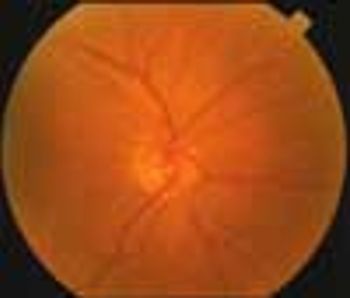
A 71-year-old man presented with a 6-week history of decreased vision in his right eye. The patient, who had hypertension and migraine headaches, had successfully recovered from a stroke that occurred 1 year earlier. His medications included aspirin, 81 mg/d, clopidogrel, atenolol, and furosemide. He also took gabapentin, 300 mg hs, for his migraine headaches. He had a remote history of cigarette smoking.

A 62-year-old businessman of Japanese descent is brought to the emergencydepartment less than half an hour after he experienced a generalized tonic-clonicseizure during a dinner meeting. His consciousness is markedly diminished(he is incoherent and barely arousable).

A 57-year-old woman complains of burning and dryness in her left eye and altered sensation in her mouth when eating; these symptoms began the day before. A coworker who had noticed facial asymmetry recommended that she seek medical attention.

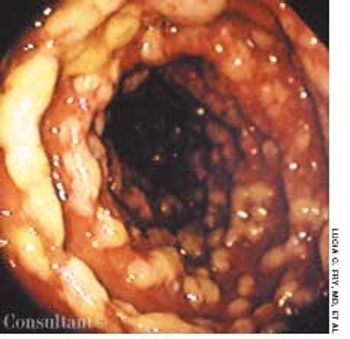
For 2 days, a 68-year-old woman had watery, yellowish diarrhea with mucus and left lower quadrant pain. Her medical history included hypertension, diabetes mellitus, and congestive heart failure (CHF); she had left the hospital 5 days earlier following treatment of an exacerbation of CHF with intravenous furosemide and sodium and fluid restriction. The patient was taking furosemide, lisinopril, and glipizide; she denied any recent antibiotic therapy.

For 2 days, a 68-year-old woman had watery, yellowish diarrhea with mucus and left lower quadrant pain. Her medical history included hypertension, diabetes mellitus, and congestive heart failure (CHF); she had left the hospital 5 days earlier following treatment of an exacerbation of CHF with intravenous furosemide and sodium and fluid restriction. The patient was taking furosemide, lisinopril, and glipizide; she denied any recent antibiotic therapy.

A 49-year-old man presented to the emergency department with hematemesis and 2 episodes of melena. Examination findings included resting tachycardia and melenic stool. Blood pressure was 95/50 mm Hg. Multiple raised, soft, bluish 0.3 to 1 cm lesions were noted on the trunk and extremities.

As many as half of patients who are evaluated for abdominal pain do not receive a precise diagnosis. And for about half of those who are given a diagnosis, the diagnosis is wrong. In this article, I will use actual cases (not "textbook" examples) to illustrate an approach to abdominal pain that begins with a careful differential diagnosis. I also offer some general guidelines for evaluating patients.

A systematic approach to the patient with resistant hypertension is both cost-effective and rewarding because the evaluation will probably reveal the cause. Initial considerations include lack of adherence, inappropriate treatment, drug-drug interactions, volume overload, and white-coat hypertension.