


































































Educating patients with obesity about the link between poor sleep and weight gain is crucial. Review 5 key elements for achieving better sleep, here.

Educating patients with obesity about the link between poor sleep and weight gain is crucial. Review 5 key elements for achieving better sleep, here.

New study showed adults who provided sleep health data and wore a research device during sleep had a 141% increased risk of cardiovascular disease.

Results of a new study that used early clinical surrogate markers of metabolic disease find women at greater risk related to suboptimal sleep.

"COVID-somnia," defined as a group of chronic sleep disturbances, has made adequate rest elusive for millions, including health care first responders.
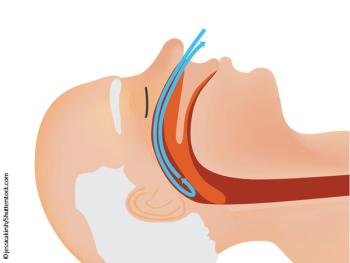
Results of a new systematic review and meta-analysis by researchers at Penn State College of Medicine underscore needs for patient education and additional research on prevention.
Irregular sleeping patterns can increase risk of depression and lower daily mood over the long term, according to a new study of first-year medical students.

Pain specialist Steven King, MD, highlights a new review that looks at the complex, bidirectional relationship between sleep disturbance and chronic pain.

Test your knowledge of the products of climate change and the health effects they may have.

Increases in diabetes, insomnia, and skin cancer are just 3 of the hazardous trends identified in recent research. More findings in our slide show.
Obstructive sleep apnea ups the risk for many other health issues. Click through a 6-slide summary of updated recommendations.

Obstructive sleep apnea, common in patients who have asthma, may contribute to severe exacerbations.
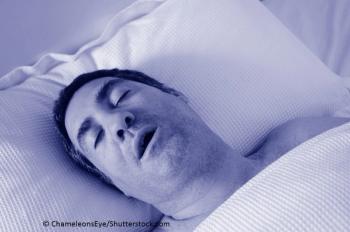
And the parameters of hypoxemia may be more sensitive than the apnea–hypopnea index.

Physicians who aren't alert to the perils of sleep deprivation may not be able to give patients the advice they need. Take this test as a wake-up call.

Hypertension, diabetes, depression, obesity-just a few of the chronic ills that affect persons with sleep insufficiency. Catch up on your sleep facts and figures in these 10 slides.
Common sleep disorders appear to worsen insulin resistance, glucose intolerance, and pancreatic endocrine dysfunction. Here, a closer look at how.

Parasomnias result from a blurring between stages of sleep. See if answers to any of these 6 questions are clear to you.
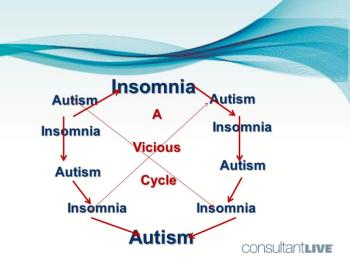
Insomnia is the predominant sleep disorder seen in autism spectrum disorder. The deficits of each condition compound those of the other.
Diabetes, obesity, CVD-all have been linked to disruption of the day-night rhythm caused by shift work. More facts and some tips for your shift-weary patients, here.

How much less sleep do insomniacs get? What causes brainstem hyperarousal? Is insomnia heritable? If you snooze, you lose on this quiz!
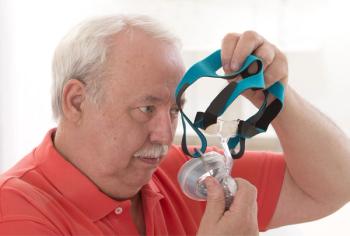
The association remained statistically significant even after adjusting for age, waist circumference, smoking, and other confounders.

Good physical and social functioning may help avert insomnia in older people with musculoskeletal pain.
New therapeutic avenues for improving the synchronization of the body’s various clocks may be opening up.

The odds of children becoming overweight go up with sleep-disordered breathing and short sleep duration, underscoring the need for early identification of these risk factors.

The risk of new-onset obstructive sleep apnea appears to be greater in persons who have asthma. Treating one may help the other.

Sleep and the circadian system play a key role in cardiovascular health and antitumor activity. While disrupting sleep patterns, night shift work also increases the risk of mortality.