

Shayma Kazmi, MD, RPh, joins Jubril Oyeyemi, MD, to discuss how primary care clinicians can work up abnormal CBCs and know when to refer to hematology.
Shayma Kazmi, MD, RPh, joins Jubril Oyeyemi, MD, to discuss how primary care clinicians can work up abnormal CBCs and know when to refer to hematology.

Under the 2026 ACC/AHA guideline, coronary artery calcium scores guide not only statin initiation but also treatment intensity in primary prevention.

A reproductive psychiatrist on how to recognize perimenopausal depression in primary care, when hormone therapy fits, and when to refer to psychiatry.
Marlee Madora, MD, explains how primary care physicians can assess perimenopause brain fog, rule out ADHD, and screen for mood changes.

Second-line noninvasive tests add the most value in adults 65 and older, but awareness gaps limit fibrosis risk stratification in primary care.

Test your knowledge of added sugar limits, processed food reduction, and label interpretation in the 2025–2030 Dietary Guidelines.
Test your knowledge of added sugar limits, processed food reduction, and label interpretation in the 2025–2030 Dietary Guidelines.

Gerontological GSA and AAFP explain digital cognitive tests for Alzheimer/dementia, EHR-ready, repeatable, supports KAER care in primary care.

Prescriptions data shows one antibiotic course reshapes gut microbiome for years, depleting Bacillota and guiding smarter prescribing.
Test your knowledge of saturated fat thresholds, sodium limits, and alcohol recommendations in the 2025–2030 Dietary Guidelines.

ACP explores disability inclusion in medicine: fight ableism, use ADA accommodations in residency, and strengthen diversity in the medical field.

ACP urges ADA-aligned funding, inclusive trials, and accessible care to reduce disability disparities for underserved patients.
Assess your knowledge of fiber targets, fruit and vegetable serving goals, and microbiome guidance in the 2025–2030 Dietary Guidelines.
Review key updates to the Dietary Guidelines for Americans to support patient counseling, nutritional assessments, and evidence-based interventions.

With <5% of health spending going to primary care, gaps in access may worsen hospital use, burnout, and chronic disease outcomes.

ACP’s Carney urges primary care physicians to drop “provider,” saying American College of Physicians sees it eroding trust, ethics, and physician identity.
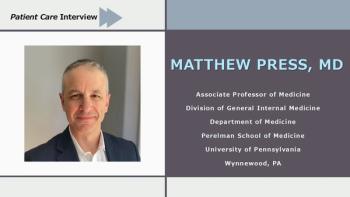
ACP 2025: Collaborative care can help address the mental health crisis, but payment and EHR challenges remain. Matthew Press, MD, explains how primary care can overcome these barriers and why integration is essential.
ACP 2025: Dr Press explains how primary care clinicians can implement the collaborative care model to integrate mental health services, improve outcomes, and navigate reimbursement.

Beware the potential pitfalls of telemedicine, from privacy concerns to patient confusion, says associate general counsel for The Doctors Company.

Health care leaders increasingly are looking to technology for solutions to the challenges facing primary care.