



Allergy
Latest News
Advertisement
Latest Videos









































































































































Advertisement
More News

Learn severe anaphylaxis warning signs, key risk factors and how to recognize infant reactions—plus when to use epinephrine and seek ER care.
Learn why epinephrine stops anaphylaxis fast, when a second dose matters, and who can safely monitor at home after treatment.
New anaphylaxis guidance shifts care toward rapid epinephrine, fewer steroids and antihistamines, and smarter ED decisions for children and adults.

New anaphylaxis guidance urges early recognition, epinephrine-first treatment, and smarter referrals.
The FDA delays approval of Anaphylm, a sublingual epinephrine film for anaphylaxis, citing administration and human factors study deficiencies.
This episode reviews intranasal epinephrine use, pediatric atopic dermatitis data, dementia screening tools, adolescent TMS, and oral PCSK9 therapy.
FDA identifies deficiencies in Anaphylm's NDA, impacting labeling discussions, while review continues for this innovative treatment for severe allergic reactions.
The VITESSE trial met its primary endpoint, with the VIASKIN Peanut patch improving desensitization versus placebo in peanut-allergic children aged 4 to 7 years.

Intranasal epinephrine emerges as a safe, effective alternative for anaphylaxis treatment, offering ease of use and promising real-world results.
Intranasal epinephrine emerges as a promising, needle-free solution for treating severe allergic reactions, showing high effectiveness and usability in clinical settings.
Sublingual epinephrine film matches adult PK/PD in kids aged 7-17 with a history of allergic reactions and high risk for serious allergic reactions, incluing anaphylaxis.
Tezepelumab's approval marks the first for a TSLP-targeting biologic for CRSwNP, backed by WAYPOINT trial data showing sustained symptom and polyp reduction.

Corticosteroids following resolution of anaphylaxis should be chosen with clear, clinical rationale and reserved for select children, study authors concluded.
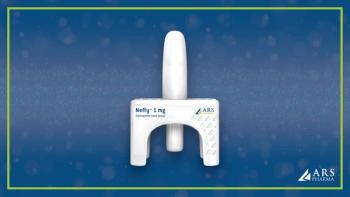
A single dose of neffy was effective in nearly 90% of patients treated for anaphylactic reactions during oral food challenge and allergen immunotherapy.
Clinical skepticism about the parity in effectiveness of epinephrine delivered via nasal spray vs autoinjector is rooted in fixed assumptions that bear examination, authors say.

Neffy, a needle-free epinephrine nasal spray, showed promise as a safe alternative for treating anaphylaxis in children with food allergies in a phase 3 trial.
The FDA assigned a Prescription Drug User Fee Act (PDUFA) target action date of January 31, 2026.
Nasus Pharma says promising phase 2 results for FMXIN002 show statistically significantly faster absorption than traditional autoinjectors and are published in global journal.

Your daily dose of the clinical news you may have missed.
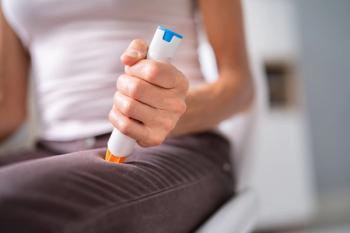
A 5-year study conducted in Germany showed only 7% of adults and 8% of children with severe anaphylaxis received epinephrine.
Your daily dose of the clinical news you may have missed.
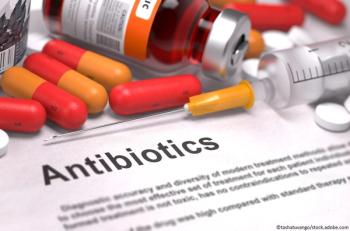
Among pediatric patients aged 1 month to 18 years with emergent anaphylaxis, cephalosporins were the leading antibiotics and ibuprofen the top NSAID implicated in a new study.
Your daily dose of the clinical news you may have missed.
Your daily dose of the clinical news you may have missed.
Your daily dose of the clinical news you may have missed.
Advertisement
Advertisement
Trending on Patient Care Online
1
FDA Approves Once-Monthly Olanzapine Injection for Adults With Schizophrenia
2
Multicomponent Strategies to Ease Vaccination Pain and Fear Across Ages
3
Abbott Gains FDA Approval for CardioMEMS Update Letting Heart Failure Patients View Pressure Readings on Their Phones
4
FDA Clears IDE for NeuWire Medical's STROKE-REWIRE Trial in Chronic Ischemic Stroke
5