











































































































































A primary care telehealth mindfulness program improved chronic low back pain and pain interference through 12 months in OPTIMUM.

A primary care telehealth mindfulness program improved chronic low back pain and pain interference through 12 months in OPTIMUM.
A deep learning ECG model identified a high-risk group with a 7.0% annual sudden cardiac death rate in a new study.

Rachael Sood, NP-C, CDCES, outlines what the FDA clearance of Control-IQ+ for type 1 diabetes in pregnancy means for primary care practice.
ACP Internal Medicine Meeting 2026 highlights: new mammography guidelines, AI scribe limitations, and muscle loss risks with GLP-1 weight loss drugs.
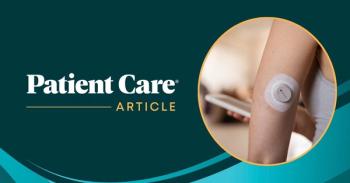
ATTD 2026: Registry data from US primary care practices showed Dexcom G7 use lowered HbA1c by 0.7% over 1 year in adults with noninsulin-treated type 2 diabetes.

A new study shows virtual physician apps replace about half of clinic visits for young adults, while the rest adds new, low-risk demand.

Your daily dose of the clinical news you may have missed.
Your daily dose of the clinical news you may have missed.
CGM users experienced fewer ED and inpatient days and better glycemic outcomes, but most eligible adults in this large cohort did not use the technology.

The 2026 annual updates to the Standards of Care in Diabetes include wider CGM use, guidance on dosing of antiobesity drugs, and glycemic management during cancer therapy.

Mental health apps show high initial uptake but moderate adherence, revealing key factors for improving user retention in clinical trials.
Your daily dose of the clinical news you may have missed.
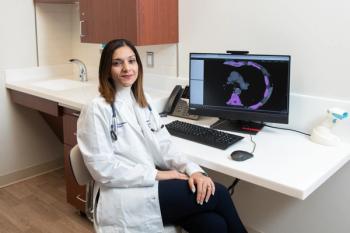
Northwestern University unveils a groundbreaking online tool that helps younger adults understand their 30-year cardiovascular disease risk through percentile rankings.

Donna Plecha, MD, discusses how AI-powered mammography risk prediction and polygenic risk scores will enable personalized breast cancer screening within the next decade.

A 10-year microsimlation model of annual MCED testing revealed signficant reductions in late-stage cancer diagnoses, particularly for cancers lacking routine screening,
After 1 year of coaching by the AI app or a DPP-associated coach, reductions in weight and HbA1c and increases in physical activity were equal, an outcome with great promise for scalability.

Real-time continuous glucose monitoring significantly enhances glycemic control in gestational diabetes, reducing risks for large newborns compared to traditional methods.
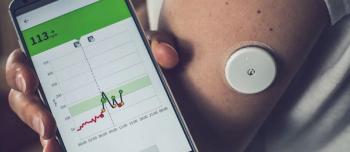
The combination of the Dexcom Stelo glucose biosensor with an AI platform provides real-time data on how food, exercise, stress, and sleep affect the body.
Your daily dose of the clinical news you may have missed.
Your daily dose of the clinical news you may have missed.
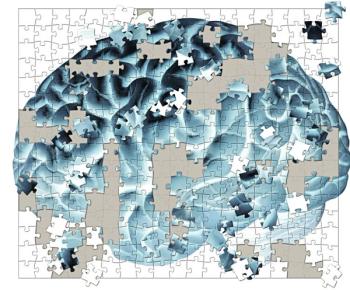
Linus Health is expanding its AI-powered remote cognitive assessment platform, Anywhere, to expand access to early detection of cognitive impairment.

Clinicians who advertised use of AI for diagnostic, therapeutic, even administrative purposes were rated poorly on empathy, trustworthiness, and competence.

The StateViewer clinical decision support system could help expand access to specialist-level insights in clinics that lack neurology expertise, according to researchers.

A student-led teledermatology-dermoscopy initiative that identified skin lesions in underserved communities could be a scalable model for early skin cancer detection and care.