




Neurology
Latest News
Advertisement
Latest Videos

Shorts
1:03
No Smoking, No Diabetes, No Hypertension: 30 Extra Dementia-Free Years
3 months ago
by
Josef Coresh, MD, PhD
0:36
A Vicious Cycle: How Sleep and Dementia Connect
5 months ago
by
Bryce Mander, PhD
1:06
Why One Specialist Wants Clinicians to Prioritize Sleep in Patient Discussions
5 months ago
by
Michael Grandner, PhD
0:55
Why Sleep Apnea is Often Misdiagnosed in Women
5 months ago
by
Bryce Mander, PhD

0:42
40% of Adults Now Track Sleep With Wearables, But Clinical Use of Data Lags
5 months ago
by
Leanne Kaye, PhD, MPH






















































Advertisement
More News

FDA has granted IDE approval for the STROKE-REWIRE pivotal trial evaluating NeuWire Medical's neurostimulation device for chronic ischemic stroke recovery.
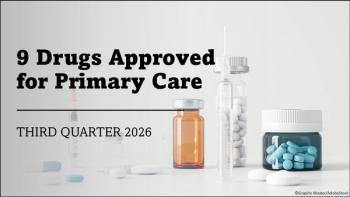
Catch up on the 9 FDA drug approvals most relevant to primary care, including new options for HIV-1 infection, narcolepsy, diabetes, pain management, and more.
Bleeding fears, skipped doses, and cost leave many patients with atrial fibrillation unprotected from stroke. A cardiologist and vascular medicine specialist explains.

Stroke incidence in adults aged 20–54 nearly doubled from 1993–1994 to 2020, driven largely by ischemic stroke, while 30-day fatality declined, according to new research.
Rodica Di Lorenzo, MD, explains why new headaches, migraine with aura, estrogen exposure, smoking, and pregnancy matter in stroke assessment.
Brief speech, motor, vision, or balance changes may signal a TIA and require urgent evaluation, Rodica Di Lorenzo, MD, tells Patient Care Online.

A team-based blood pressure intervention delivered through primary care reduced dementia risk by 15% over 7 years.

Physical activity was associated with up to 22% lower mortality and 19% lower stroke risk in adults with and without atrial fibrillation in a large Norwegian cohort study.

Plasma p-tau217 levels helped estimate 5- and 10-year cognitive impairment risk in older adults without memory or thinking symptoms.
FDA cleared C2N’s PrecivityAD2 blood test to aid Alzheimer disease evaluation in symptomatic adults aged 40 years and older.
Josef Coresh, MD, discusses biomarkers, hearing correction, and integrated vascular care as emerging dementia prevention strategies.

A Swedish observational study linked NOAC use to slower cognitive decline in individuals with atrial fibrillation and Alzheimer disease.
Josef Coresh, MD, PhD, discusses how primary care clinicians can address hypertension, diabetes, and smoking to support long-term cognitive health.
Corresponding author Josef Coresh, MD, PhD, explains how hypertension, diabetes, and smoking in midlife were linked to fewer dementia-free survival years.
The FDA approved oveporexton for narcolepsy type 1 in adults, marking the first orexin receptor agonist targeting the underlying biological cause of narcolepsy.
The US FDA Fast Track status advances remlifanserin for Alzheimer disease psychosis, with phase 2 RADIANT data expected in fall 2026.

Ruth Benca, MD, PhD, and Adam Spira, PhD, discuss how sleep disturbances, especially sleep apnea, may drive dementia risk and what to ask patients.
FDA accepted Axsome’s NDA for AXS-12 for cataplexy in narcolepsy and set a PDUFA target action date of May 1, 2027.

Once-weekly subcutaneous lecanemab matched IV initiation exposure in early Alzheimer disease, but comparative clinical outcome data remain limited.
SLEEP 2026: A sleep expert discusses screening tools, referral pathways, and why sleep disorders matter for cardiometabolic health in primary care.

Tirzepatide, nerve stimulation, and oral AD109 are reshaping OSA care as phenotyping replaces the one-size-fits-all CPAP default.
Patients with OSA who cannot tolerate CPAP may benefit from discussions about oral appliances, HNS, and other treatment options. Sairam Parthasarathy, MD, dives deeper.
SLEEP 2026: Virend Somers, MD, PhD, details how busy primary care physicians can address sleep in routine visits.

SLEEP 2026: GLP-related home sleep testing made up 44% of primary care referrals, but many studies were negative or suboptimal, according to a late-breaking abstract.
SLEEP 2026: Virend Somers, MD, of Mayo Clinic, outlines why sleep has been added to the AHA's Life’s Essential 8.
Advertisement
Advertisement
Trending on Patient Care Online
1
Why Primary Care Is Key to Catching CKM Syndrome Early
2
Rotavirus Vaccine Recommendation Change May Undo Decades of Progress
3
Spotting Perimenopausal Depression in Primary Care, With Marlee Madora, MD
4
Cognitive Behavioral Therapy for Insomnia in Menopause
5