


Neurology
Latest News
Advertisement
Latest Videos

























































































































































Advertisement
More News

Mander highlights sleep as a modifiable dementia risk factor, emphasizing sleep apnea diagnosis and treatment to support brain health.
Emerging data link sleep disorder severity to Alzheimer's biomarker accumulation, with small CPAP studies suggesting partial biomarker reversibility with treatment.

Prenatal sleep expectations predicted postpartum sleep quality above parity and psychiatric history, with postpartum anxiety further worsening outcomes.
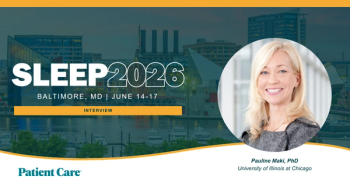
Pauline Maki, PhD, reviews data showing over half of elinzanetant's sleep benefit in postmenopausal women is independent of VMS reduction.

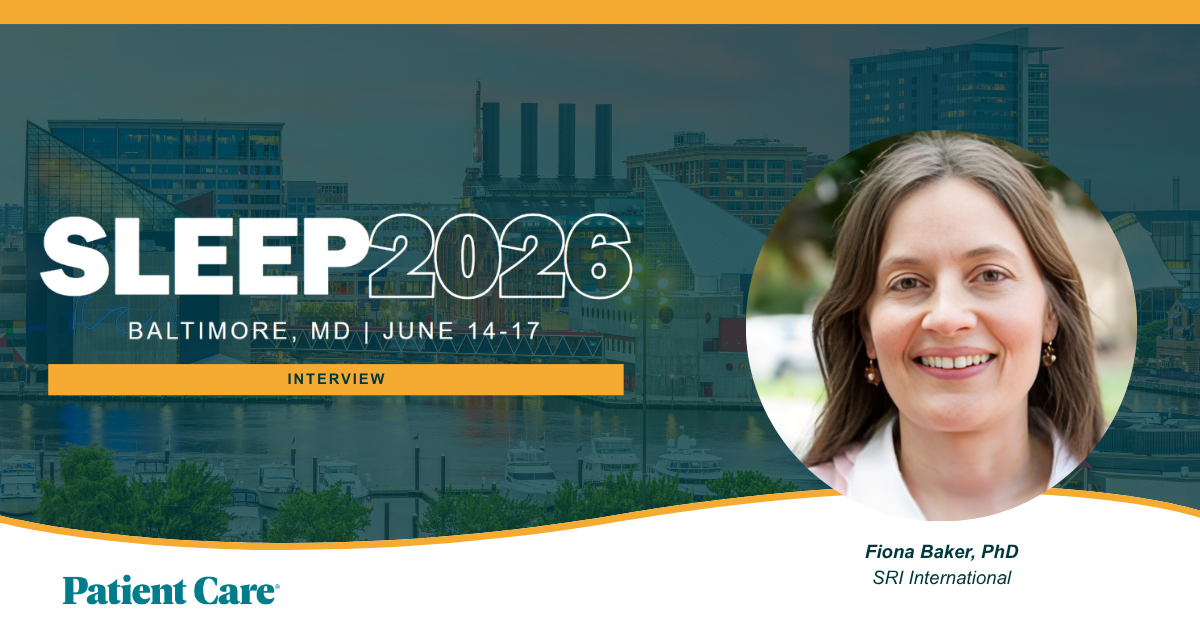
From behavioral therapy to NK3 receptor antagonists, Baker outlines an expanding toolkit for menopausal sleep disturbance.
Baker discusses menopause-related sleep disturbances and why early screening and individualized treatment are critical in primary care.

High-risk rural patients were less likely than urban patients to be referred for obstructive sleep apnea evaluation in primary care.

New research suggests EDS combined with prolonged sleep-onset latency is linked to 3x greater risk of incident hypertension and 2x greater risk of prevalent hypertension.

AD109 Reduces OSA Severity in Phase 3 Trial of CPAP-Intolerant Adults
Published: | Updated:
AD109 reduced apnea-hypopnea index versus placebo in a phase 3 trial of adults with OSA unable or unwilling to use CPAP.
Late-breaking SLEEP 2026 findings bring primary-care-ready insights on insomnia drugs, sleep apnea genetics, menopausal sleep, and GLP-1 links.

SLEEP 2026: Women with moderate-to-severe obstructive sleep apnea reported worse sleep, fatigue, anxiety, headaches, and nocturia than men.

FDA accepted Bayer's asundexian NDA for recurrent stroke prevention after noncardioembolic ischemic stroke or TIA.

A Massachusetts claims study found rising pediatric primary care visits with mental health diagnoses, led by anxiety-related care.

South London data show stroke rates climbing again, hitting Black communities and poorer areas hardest, and exposing gaps in prevention and follow-up.

The approval indicates ocrelizumab for RRMS in patients older than 10 years who weigh 55 pounds or more and is supported by data from the OPERETTA II study.
The FDA approved dextromethorphan hydrobromide-bupropion hydrochloride for agitation associated with dementia due to Alzheimer disease.

6-month INFUSE data show eptinezumab improves migraine outcomes, including headache days and patient-reported measures, even after prior CGRP failures.
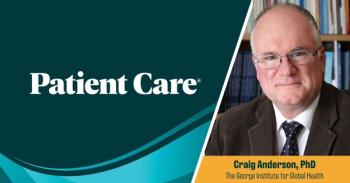
The TRIDENT trial shows a once-daily triple BP pill after intracerebral hemorrhage improves control and lowers recurrent stroke and cardiovascular events.

Older adults with both anemia and elevated neurofilament light chain levels faced a more than 3.5-fold increased risk of developing dementia.

New AHA/ASA stroke guidance widens thrombolysis and EVT access, eases imaging, and updates BP/glucose targets—what frontline teams need now.
Episode highlights include a new AD blood test for PCPs, sleep effects of elinzanetant among postmenopausal women, lung cancer screening gains, and more.

Your daily dose of the clinical news you may have missed.
Your daily dose of the clinical news you may have missed.

Gerontological GSA and AAFP explain digital cognitive tests for Alzheimer/dementia, EHR-ready, repeatable, supports KAER care in primary care.

New data highlight digital dementia risk scores, plasma p-tau217 prediction, and patient-centered endpoints in Alzheimer disease research.
Advertisement
Advertisement
Trending on Patient Care Online
1
Elinzanetant Linked to Broad Improvements in Sleep Disturbance in Women With Moderate-to-Severe Vasomotor Symptoms
2
Insulin Resistance May Partly Explain Higher Cardiovascular Risk After Premature Menopause
3
AI-Enhanced Virtual Reality Program Delivering CBT Shows Early Feasibility for Menopause Symptoms: TMS 2026
4
Capsule-Sponge Testing Could Help Close the Barrett’s Screening Gap: An Expert Q&A
5