Prescription drugs, over-the-counter medications and supplements, recreational substances all have the potential to impact blood pressure (BP). BP changes caused by drugs or other agents have been associated with triggering hypertension (HTN), worsening control in persons with HTN, or reducing the effect of antihypertensive therapy.
The Guideline Topline in the following slides is an at-a-glance summary of agents and classes of drugs to avoid, stop, or consider carefully listed in the American Heart Association and American College of Cardiology's 2017 Guideline for the Detection, Evaluation, and Management of High Blood Pressure in Adults . It's a quick review for primary care.
The CardioGuide HF app from Abbott will show patients their pulmonary artery pressure trends and deliver medication instructions set by their care teams.
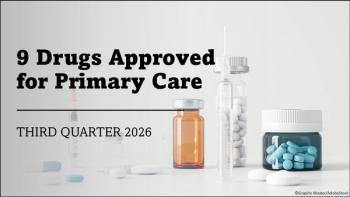
Catch up on the 9 FDA drug approvals most relevant to primary care, including new options for HIV-1 infection, narcolepsy, diabetes, pain management, and more.
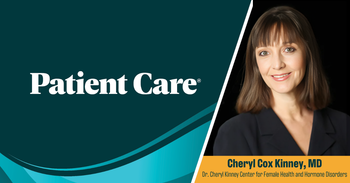
Cheryl Cox Kinney, MD, explains when night sweats warrant further evaluation, including red flags, persistent symptoms, and potential nonmenopausal causes.
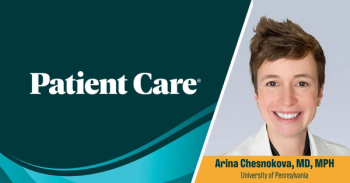
TMS 2026: Menopause was coded in just 7.8% of midlife outpatient visits. Arina Chesnokova, MD, MPH, discusses diagnosis gaps, prescribing risks, and solutions for primary care.
An EHR-integrated tool matched manual CKD and cardiovascular risk assessments in 60 patients and showed promise for improving risk-based kidney care in primary care.
TMS 2026: Nearly 67% of US women receiving elinzanetant achieved at least a 50% reduction in menopausal VMS frequency by week 12 in pooled phase 3 trial data.