





Cardiology
Latest News
Advertisement
Latest Videos

































































































































































Advertisement
More News

Phase 3 data show oral PCSK9 inhibitor enlicitide reduced LDL-C by 64.6% at 8 weeks vs oral nonstatins in high-risk patients.

New evidence suggests lowering LDL-C to 44 mg/dL with PCSK9 therapy may better protect high-risk patients with diabetes, aligning primary prevention targets with secondary prevention.
ACC 2026: A new secondary analysis of the VESALIUS-CV study shows evolocumab cuts heart attacks, strokes and deaths in high‑risk patients with type 2 diabetes.

Your daily dose of the clinical news you may have missed.

ACC 2026. Evolocumab reduced first CV events by 31% in high-risk diabetes without ASCVD, supporting earlier LDL-C intensification.

New data to be presented at ACC 2026 shows 6 hours of daily screen time may lead to higher BP, LDL-C, BMI, and nicotine use, independent of exercise.

Dr Bhatt emphasizes that clinical targets for biological variables like blood pressure and LDL-C are crucial for effective patient care.

AHA-style dyslipidemia update from Johns Hopkins: test Lp(a) once, then target LDL-C goals to cut cardiovascular risk and cholesterol.

New cardiology guidance refines dyslipidemia care with PREVENT risk scoring, LDL cholesterol targets, and add-on lipid therapies to cut ASCVD events.

Long-term stress links to higher postpartum blood pressure only after pregnancy complications, suggesting stress screening and management may help reduce future CVD risk.

Cardiologist Payal Kohli, MD, emphasizes the need to address racial and ethnic disparities in CKD screening, particularly among African Americans, Hispanics, women, and older adults.

Prenatal aspirin lowers severe preeclampsia 29% in high-risk pregnant patients; cardiology-driven prevention proves safe with direct dispensing.
Cardiologist Payal Kohli, MD, discusses why relying on eGFR alone may miss early kidney and cardiovascular risk.

Obesity medicine specialist Monu Khanna, MD, discusses the critical role of primary care in obesity-related risk reduction through lifestyle, behavior, and emerging therapies.
Your daily dose of the clinical news you may have missed.
Global trends reveal a growing burden of hypertension-related CKD despite advances in blood pressure management.
Your daily dose of the clinical news you may have missed.
Abbott's Volt PFA System gains FDA approval, offering a new minimally invasive treatment for atrial fibrillation, enhancing patient care options.

Phase 3 LIBerate data showed sustained LDL-C reductions of 60% or more in high-risk patients and 50% or more in HeFH, with once-monthly self-administration.
Phase 3 results showed durable conversion benefits with a favorable safety profile, informing real-world management of acute PSVT outside of emergency settings.
The Priority Review decision is based on phase 3 results showing consistent SBP reductions across uncontrolled and treatment-resistant hypertension subgroups.

New data reveals evolocumab significantly reduces long-term major cardiovascular event risks in ASCVD patients, enhancing treatment strategies for better outcomes.
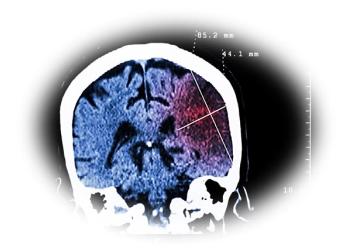
Topline data show the factor XIa inhibitor cut ischemic stroke risk without increasing ISTH major bleeding, pointing to a possible new option for secondary prevention.

New research reveals that caffeinated coffee significantly reduces the recurrence of atrial fibrillation, challenging long-held medical advice.

A 2-fold rise in pediatric hypertension over 2 decades and new long-term imaging data signal a need to rethink how early clinicians act on elevated BP.
Advertisement
Advertisement
Trending on Patient Care Online
1
ACOG Issues Expanded Guideline on Managing Menopause-Related Vasomotor, Sleep, and Mood Symptoms
2
Actigraphy and Objective Sleep Outcomes in Menopause VMS Treatment
3
Mirikizumab Linked to Higher Rates of Corticosteroid-Free Composite Remission in UC and Crohn Disease
4
Capsule-Sponge Testing Could Help Close the Barrett’s Screening Gap: An Expert Q&A
5