


Cardiology
Latest News
Advertisement
Latest Videos





Shorts

0:51
How to Diagnose PAD? Expert Shares Primary Care Basics
3 months ago
by
Kabiul Haque, MD

1:37
Why Baxdrostat is the GOAT of Blood Pressure Medications
4 months ago
by
Payal Kohli, MD, FACC
0:43
Why Hypertension Treatment is Failing Half of Patients
4 months ago
by
Payal Kohli, MD, FACC

1:32
Why Cardiovascular Risk Calculators Should Be a Tool—Not the Rule—for Clinical Decision-Making
6 months ago
by
Michael J. Nicholson, DO




























































































































































Advertisement
More News

A team-based blood pressure intervention delivered through primary care reduced dementia risk by 15% over 7 years.

Tirzepatide gained an FDA cardiovascular indication after SURPASS-CVOT showed noninferiority to dulaglutide in high-risk adults.

Physical activity was associated with up to 22% lower mortality and 19% lower stroke risk in adults with and without atrial fibrillation in a large Norwegian cohort study.

New research links cardiovascular-kidney-metabolic health stage to measurable arterial injury in adults as young as 23, with obesity the leading driver.

Josef Coresh, MD, discusses biomarkers, hearing correction, and integrated vascular care as emerging dementia prevention strategies.

The FDA approved an autoinjector device for lerodalcibep-liga and an updated indication reflecting cardiovascular risk reduction.

A Swedish observational study linked NOAC use to slower cognitive decline in individuals with atrial fibrillation and Alzheimer disease.

A McGill University–led team developed a prediction model integrating pregnancy-related factors to identify cardiovascular disease risk in women aged 15 to 45.

A Harvard-led analysis of more than 200,000 US adults found healthy plant-based diets lowered cardiometabolic risk regardless of ultra-processed food content.
FDA clearance adds a noninvasive AI-based test for elevated pulmonary capillary wedge pressure to the CorVista System diagnostic platform.
HTX-001, an antisense oligonucleotide targeting WISPER lncRNA, received FDA Fast Track designation as HAYA Therapeutics advances the therapy for nHCM.
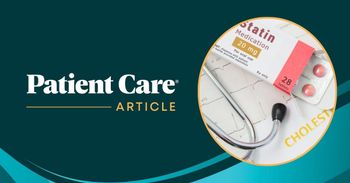
A new analysis estimates the 2026 dyslipidemia guideline expands primary prevention statin eligibility to 87.5 million US adults.
The US FDA approved enlicitide (Lipfendra; Merck), the first oral PCSK9 inhibitor, to reduce LDL-C in adults with hypercholesterolemia, including HeFH.
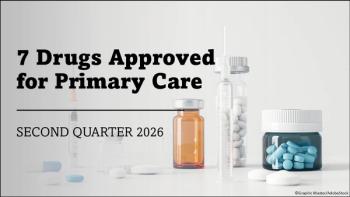
Catch up on the 7 FDA drug approvals most relevant to primary care, including new options for hypertension, weight management, acne, and more.

SLEEP 2026: A sleep expert discusses screening tools, referral pathways, and why sleep disorders matter for cardiometabolic health in primary care.

A deep learning ECG model identified a high-risk group with a 7.0% annual sudden cardiac death rate in a new study.

SLEEP 2026: Virend Somers, MD, PhD, details how busy primary care physicians can address sleep in routine visits.
SLEEP 2026: Virend Somers, MD, of Mayo Clinic, outlines why sleep has been added to the AHA's Life’s Essential 8.

The first guideline for cardiovascular-kidney-metabolic syndrome details staging, screening, risk assessment, and treatment.

Payal Kohli, MD, discusses how baxdrostat may fit into hypertension care, including efficacy, patient selection, and monitoring needs.

Kohli discusses the FDA approval of baxdrostat (Baxfendy), the first aldosterone synthase inhibitor for adults with uncontrolled hypertension.

VERVE-102 reduced PCSK9 and LDL-C after one infusion in early Heart-2 data for patients needing additional lipid lowering.
FDA approved baxdrostat for adults with hypertension not controlled on other agents, adding a new aldosterone-targeting option.

South London data show stroke rates climbing again, hitting Black communities and poorer areas hardest, and exposing gaps in prevention and follow-up.

New research shows 35.3% of insured individuals with hypertensive disorders of pregnancy had a preventive care visit within 12 months postpartum.
Advertisement
Advertisement
Trending on Patient Care Online
1
ACOG Issues Expanded Guideline on Managing Menopause-Related Vasomotor, Sleep, and Mood Symptoms
2
Actigraphy and Objective Sleep Outcomes in Menopause VMS Treatment
3
Mirikizumab Linked to Higher Rates of Corticosteroid-Free Composite Remission in UC and Crohn Disease
4
Capsule-Sponge Testing Could Help Close the Barrett’s Screening Gap: An Expert Q&A
5