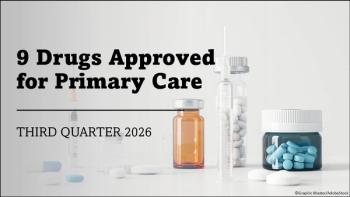
Catch up on the 9 FDA drug approvals most relevant to primary care, including new options for HIV-1 infection, narcolepsy, diabetes, pain management, and more.
A Vaccine Integrity Project review found influenza, COVID-19, and RSV immunizations continue to protect against severe illness, hospitalization, and death.
An independent evidence review from the Vaccine Integrity Project found that
The review, conducted in collaboration with the American Medical Association, evaluated newly published evidence on the epidemiology, effectiveness, and safety of US-licensed influenza,
The findings helped inform 2026-27 respiratory virus immunization recommendations released by the American Academy of Pediatrics, American Academy of Family Physicians, American College of Obstetricians and Gynecologists, and Infectious Diseases Society of America.
The Vaccine Integrity Project stated that the review was designed to provide clinicians, public health professionals, and the public with an updated assessment of the available scientific evidence ahead of the fall and winter respiratory virus season.
The evidence review builds on a 2025-26 assessment and comes amid disruption to the traditional federal vaccine recommendation process. The project noted that, before 2025, the Centers for Disease Control and Prevention’s Advisory Committee on Immunization Practices routinely reviewed vaccine data to guide immunization recommendations.
Influenza, COVID-19, and RSV remain major causes of respiratory illness in the US, particularly among older adults, infants, pregnant people, individuals with underlying health conditions, and those who are immunocompromised. During the 2025-26 season, CDC estimates cited by the review indicated influenza was associated with 390,000 to 800,000 hospitalizations; RSV was associated with 170,000 to 340,000 hospitalizations and 9,900 to 25,000 deaths; and COVID-19 hospitalization rates continued to decline but remained highest among older adults and infants.
The COVID-19 review found that updated vaccines continued to provide meaningful protection against hospitalization and other serious outcomes, with the greatest relevance for people at increased risk for severe disease.
Among adults aged 65 years and older, updated COVID-19 vaccination was 53% effective against hospitalization during the 2025-26 respiratory season. Vaccination also was associated with a 76% reduction in COVID-19-related emergency department visits among children aged 9 months through 4 years.
For pregnant women, vaccination was 58% effective against COVID-19-related emergency department or urgent care visits. Maternal vaccination also extended protection to infants during the first 2 months of life, with vaccine effectiveness against COVID-related hospital contacts ranging from 50% to 54%.
Among people with immunocompromising conditions, vaccination continued to reduce severe outcomes, including hospitalization, intensive care admission, and death, although effectiveness varied by underlying condition and other factors.
Comparative studies identified no new COVID-19 vaccine safety concerns. The review noted that myocarditis and pericarditis risks identified earlier in the pandemic were seen primarily in adolescent and young adult males after earlier mRNA vaccine schedules and had already led to changes in recommended dosing intervals in 2022.
The RSV evidence review found that vaccination of older adults and pregnant women, along with infant immunization with nirsevimab, reduced severe RSV illness and hospitalization.
Across multiple studies, RSV vaccination among adults aged 60 years and older was 69% to 83% effective against RSV-related hospitalization within the same season as vaccination. However, the review noted that evidence is still developing on how long protection lasts and whether older adults may need additional doses.
Maternal RSV vaccination administered between 32 and 36 weeks of pregnancy was 51% to 70% effective against RSV-related hospitalization in infants. None of the comparative studies included in the review found an association between maternal RSV vaccination and preterm birth or other adverse pregnancy outcomes.
For infants, the long-acting monoclonal antibody nirsevimab reduced RSV-related emergency department consultations by 86% to 97% and RSV-related hospitalization by approximately 66% to 93% within 6 months after immunization.
Newly published safety evidence was consistent with previous assessments, and no new safety signals were identified. The review noted that no Guillain-Barré syndrome cases were reported across 3 randomized controlled trials, although 1 observational self-controlled case series reported a possible increased risk among older adults during the 42 days after vaccination, warranting continued monitoring.
The influenza review found that seasonal vaccination continued to reduce severe disease, hospitalization, and death, particularly among those at greatest risk.
Among adults aged 65 years and older, multiple studies showed meaningful protection against hospitalization. An analysis using VISION Network data found vaccination provided 31% protection against influenza-associated hospitalization, and newly published randomized trial data showed greater protection against hospitalization with high-dose influenza vaccine compared with standard-dose vaccine in older adults.
For children and adolescents, an analysis of national surveillance data across 8 influenza seasons found vaccine effectiveness of 80% against laboratory-confirmed influenza-associated death. Among children aged 6 months through 17 years with underlying medical conditions, vaccination was 48% effective against influenza-related hospitalization or emergency department visits.
Maternal influenza vaccination also provided infant protection. A study using data from 2011 through 2022 found vaccination during pregnancy was 44% effective against symptomatic influenza in infants through 6 months of age.
No new influenza vaccine safety concerns were identified. A large postmarketing analysis of nearly 10 million vaccinated individuals found no increased risk of serious adverse events, including Guillain-Barré syndrome, after seasonal influenza vaccination or when influenza vaccine was administered with COVID-19 or RSV immunizations.
For primary care clinicians, the review offers an evidence-based framework for respiratory virus vaccine counseling during a season marked by shifting federal policy and ongoing public uncertainty around immunization guidance.
The findings support continued emphasis on risk-based counseling for patients most vulnerable to severe respiratory disease, including older adults, infants, pregnant patients, patients with chronic medical conditions, and those who are immunocompromised. The review also reinforces that respiratory virus immunization is not one-size-fits-all; effectiveness varies by virus, product, population, circulating strains, and time since immunization.
For clinicians counseling patients, the key message is that the latest evidence remains consistent with the broader body of research supporting influenza, COVID-19, and RSV immunizations for prevention of severe outcomes, while also highlighting areas where evidence is still evolving, including the duration of RSV vaccine protection in older adults.