

Three-year BE HEARD data show bimekizumab sustains HS lesion clearance, cuts draining tunnels, and improves severity and quality of life.
Three-year BE HEARD data show bimekizumab sustains HS lesion clearance, cuts draining tunnels, and improves severity and quality of life.

FDA insulin updates, new obesity drug data, vaccine hesitancy strategies, and depression screening insights are featured in this week’s episode.
.jpg?w=350&fit=crop&auto=format)
FDA clears a dissolvable sildenafil oral film for erectile dysfunction, offering discreet, water-free dosing and strong phase 3 results ahead of 2026 launch.

Researchers found that 58% of infants with atopic dermatitis achieved a 75% improvement in EASI-75 at week 4 with once-daily roflumilast cream 0.05%.

Physician researcher Fendrick offers an expert perspective on why removing cost barriers matters, and why navigation and patient realities still determine whether CRC screening succeeds.

A new study reveals icotrokinra's comparable efficacy to existing therapies, offering hope for treatment-refractory patients facing resistance challenges.
The FDA delays approval of Anaphylm, a sublingual epinephrine film for anaphylaxis, citing administration and human factors study deficiencies.
.jpg?w=350&fit=crop&auto=format)
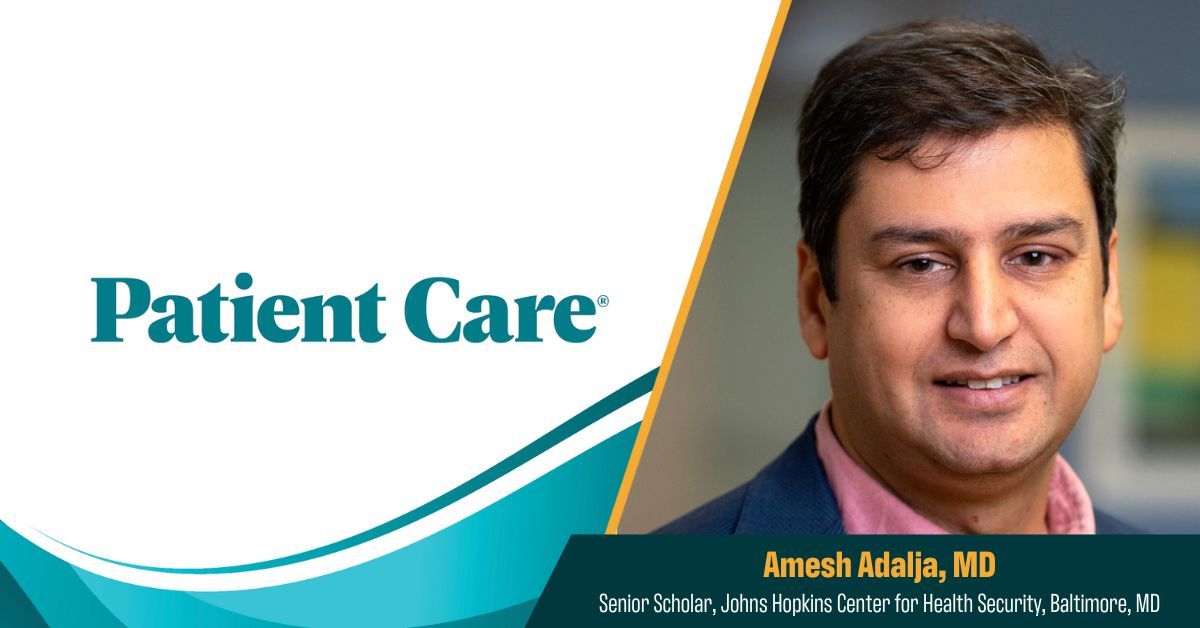
Amesh Adalja, MD, infectious disease physician, outlines effective communication strategies that respect patient concerns while reinforcing physician credibility.

GRAIL advances cancer detection with FDA application for Galleri, a groundbreaking blood test aimed at early detection of multiple cancers.

Obesity medicine specialist Monu Khanna, MD, discusses the critical role of primary care in obesity-related risk reduction through lifestyle, behavior, and emerging therapies.

Roche's CT-388 shows promising results with 22.5% weight loss in a phase 2 trial, advancing obesity treatment options significantly.
Centanafadine's FDA priority review signals potential innovation in ADHD treatment, offering a new nonstimulant option for diverse patient needs.

Colorectal cancer emerges as the top cancer killer for US adults under 50, highlighting urgent needs for early detection and screening strategies.
The FDA updates Afrezza's prescribing information, enhancing dosing guidance for adults switching from injected insulin to improve glycemic control.

ACON Laboratories launches the first FDA-cleared at-home test for RSV, influenza, and COVID-19, enhancing respiratory symptom management for families.

Clevenger explains how better recognition of agitation in Alzheimer disease, and stronger caregiver–clinician communication, can meaningfully improve outcomes.
National health trends for 2025 show a complex mix of improved cancer screenings alongside rising chronic conditions and affordability gaps.

Results show significant concerns about topical steroid use in chronic skin diseases, highlighting the need for proactive long-term management strategies.

Sebela Pharmaceuticals seeks FDA approval for tegoprazan, a new treatment for GERD, targeting heartburn, erosive esophagitis, and maintenance healing.

A study reveals that using population-based eGFR percentiles can enhance early detection of chronic kidney disease and improve patient outcomes.