A daily dose of clinical news on Patient Care you may have missed.
Advertisement
Patient Care brings primary care clinicians a lot of medical news every day—it’s easy to miss an important study. The Daily Dose provides a concise summary of one of the website's leading stories you may not have seen.
On July 24, 2023, we reported on a study presented at the 2023 Alzheimer’s Association International Conference, that found a first prescription for an opioid following a diagnosis of dementia significantly increased risk of death, especially in the first 2 weeks of opioid use.
The study
The study included all Danish residents aged 65 years and older diagnosed with dementia between January 1, 2008, and December 31, 2018 (N=75 471). Among them, 42% filled a first prescription for an opioid after their diagnosis. After age and sex matching members of the exposure group with 2 unexposed individuals, researchers assessed and compared mortality risk in both groups within 180 days of the index prescription.
The findings
Among its findings the team reported that 33.7% of individuals exposed to opioids died within the 180-day follow-up period compared with 6.4% of the unexposed group. Mortality risk was highest over the first 14 days after an opioid prescription was filled when investigators reported a greater than 10-fold increased risk of death. Strong opioids were associated with a more than 6-fold increase in mortality risk and weak opioids with a 2-fold risk.
Authors' commentary
"In our study, starting on an opioid after getting a dementia diagnosis was frequent and associated with a markedly increased risk of death, which is worrisome...These new findings further emphasize the need for discussion between the patient, family and physician. Decisions about prescribing pain medication should be thought through carefully, and, if used, there needs to be careful monitoring of the patient."
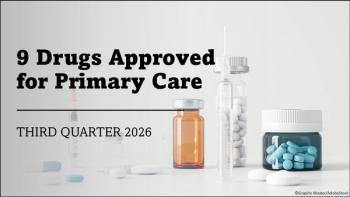
Catch up on the 9 FDA drug approvals most relevant to primary care, including new options for HIV-1 infection, narcolepsy, diabetes, pain management, and more.
TMS 2026: A meta-analysis of 5 studies found hormone therapy linked to more frequent migraine attacks and migraine days, but not greater severity or analgesic use.
FDA has granted IDE approval for the STROKE-REWIRE pivotal trial evaluating NeuWire Medical's neurostimulation device for chronic ischemic stroke recovery.
Stroke incidence in adults aged 20–54 nearly doubled from 1993–1994 to 2020, driven largely by ischemic stroke, while 30-day fatality declined, according to new research.
Cheryl Cox Kinney, MD, explains when night sweats warrant further evaluation, including red flags, persistent symptoms, and potential nonmenopausal causes.
TMS 2026: Menopause was coded in just 7.8% of midlife outpatient visits. Arina Chesnokova, MD, MPH, discusses diagnosis gaps, prescribing risks, and solutions for primary care.
An EHR-integrated tool matched manual CKD and cardiovascular risk assessments in 60 patients and showed promise for improving risk-based kidney care in primary care.