Endocrine Society statement highlights key research gaps on obesity drugs—who benefits, long-term dosing, safety, and measuring success beyond weight loss.
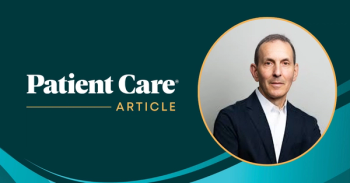
Daniel Drucker, MD, who coauthored the recent Endocrine Society scientific statement on obesity medicines, discusses key takeaways for primary care physicians.
The arrival of more effective
Drucker says the statement emerged as the Society expanded its obesity resources and as pharmacotherapy changed the questions researchers could credibly ask. Its six priority areas encompass body fat regulation, variation in treatment response, targets beyond percentage weight loss, the phases of weight reduction and maintenance, health outcomes, and medication safety. The authors describe gaps in evidence; the statement is not a treatment guideline.¹
Asked for a practical takeaway, Drucker turns to the patient's reason for seeking care. Someone with severe obesity, obstructive sleep apnea, and osteoarthritis may prioritize breathing, pain, and mobility alongside substantial weight reduction. Another patient with a lower BMI may be chiefly concerned about cardiovascular disease. In each case, he argues, clinicians need to identify the outcome that matters to the patient before deciding how to measure success. His examples illustrate different priorities, not established dose or weight-loss thresholds for preventing cardiovascular events.
The SELECT trial shows why disease outcomes merit separate attention. Among 17 604 adults with overweight or obesity, established cardiovascular disease, and no diabetes, major adverse cardiovascular events occurred in 6.5% assigned to semaglutide 2.4 mg and 8.0% assigned to placebo over a mean 39.8 months (hazard ratio, 0.80; 95% CI, 0.72-0.90).² The finding applies to the studied population and regimen; it does not establish equivalent protection at lower doses.
References