

Dupilumab (Dupixent) is the first new targeted therapy for CSU in over a decade.

Sydney Jennings is the editor of Patient Care Online. She joined MJH Life Sciences in March 2018 after graduating from the University of Connecticut with a BA in Journalism. She can be reached at SJennings@mjhlifesciences.com.
Dupilumab (Dupixent) is the first new targeted therapy for CSU in over a decade.

New data highlight the potential of dupilumab, remibrutinib, and barzolvolimab to expand treatment options for patients with CSU unresponsive to current therapies.

The CDC advisory committee also endorsed GSK's pentavalent meningococcal vaccine.
ACP 2025: Matthew Press, MD, shares actionable steps for primary care physicians to adopt a collaborative care model, including how to start small and partner with other practices.

Your daily dose of the clinical news you may have missed.
Review 10 new FDA-approved drugs that may soon find a place in your prescribing routine, including new treatments for UTIs, acute pain, and more.
ACP 2025: GLP-1 medications are advancing obesity care, but lifestyle changes and bariatric surgery remain key components. Laura Davisson, MD, discusses how to personalize treatment strategies.
Your daily dose of the clinical news you may have missed.
ACP 2025: Dr Press discusses how the Penn Integrated Care model equips primary care physicians to manage mental health conditions more effectively while reducing burnout.

Data from the EAGLE-1 study found gepotidacin to be noninferior to ceftriaxone plus azithromycin for treating uncomplicated urogenital gonorrhea.
Your daily dose of the clinical news you may have missed.
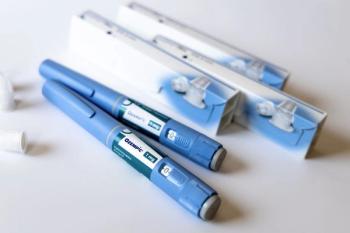
The FDA and Novo Nordisk are urging health care professionals to check semaglutide (Ozempic) injection 1 mg lot PAR0362 with serials starting 51746517.
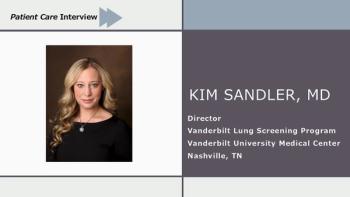
ACP 2025: Lung cancer is rising among nonsmokers, especially women. Kim Sandler, MD, discusses future screening challenges, research insights, and the need to expand screening eligibility.
Your daily dose of the clinical news you may have missed.
ACP 2025: Discover how the collaborative care model supports mental health in primary care through team-based care, symptom tracking, and psychiatric consultation—boosting outcomes and reducing burden on clinicians.

ACC 2025. Tirzepatide improved HF symptoms and renal function in patients with obesity-related HFpEF, regardless of CKD status, according to new findings from the SUMMIT trial.
Your daily dose of the clinical news you may have missed.
Your daily dose of the clinical news you may have missed.

AAAAI 2025: RSV vaccine and immunoprophylaxis uptake remained low in 2024 across infants, pregnant individuals, and older adults.
ACP 2025: Kim Sandler, MD, outlines key strategies to boost lung cancer screening uptake in primary care.
Your daily dose of the clinical news you may have missed.
ACP 2025: Laura Davisson, MD, outlines how PCPs can navigate GLP-1 medication coverage issues and why to consider recent cash-pay options.
ACP 2025: Dr Press explains how primary care clinicians can implement the collaborative care model to integrate mental health services, improve outcomes, and navigate reimbursement.
Your daily dose of the clinical news you may have missed.
ACP 2025: Kim Sandler, MD, explains how primary care physicians can use shared decision-making to guide patients through lung cancer screening, emphasizing risk, benefit, follow-up, and smoking cessation.
ACP 2025: Kim Sandler, MD, sat down with Patient Care to discuss the benefits of lung cancer screening, citing a 20% reduction in lung cancer mortality with annual screenings.
Your daily dose of the clinical news you may have missed.
Breaking research presented at ACP Internal Medicine 2025 showed that switching GLP1-RAs resulted in better glucose and weight control among adults with inadequately controlled T2D.

ACP 2025: Kim Sandler, MD, discussed the latest screening guidelines, real-world challenges in implementation, and the essential role of shared decision-making.
Your daily dose of the clinical news you may have missed.