



Cardiology
Latest News
Advertisement
Latest Videos





Shorts

0:51
How to Diagnose PAD? Expert Shares Primary Care Basics
2 months ago
by
Kabiul Haque, MD

1:37
Why Baxdrostat is the GOAT of Blood Pressure Medications
2 months ago
by
Payal Kohli, MD, FACC
0:43
Why Hypertension Treatment is Failing Half of Patients
3 months ago
by
Payal Kohli, MD, FACC

1:32
Why Cardiovascular Risk Calculators Should Be a Tool—Not the Rule—for Clinical Decision-Making
5 months ago
by
Michael J. Nicholson, DO
CME Content















































































































Advertisement
More News
The FDA approved an autoinjector device for lerodalcibep-liga and an updated indication reflecting cardiovascular risk reduction.

A McGill University–led team developed a prediction model integrating pregnancy-related factors to identify cardiovascular disease risk in women aged 15 to 45.

A Harvard-led analysis of more than 200,000 US adults found healthy plant-based diets lowered cardiometabolic risk regardless of ultra-processed food content.
FDA clearance adds a noninvasive AI-based test for elevated pulmonary capillary wedge pressure to the CorVista System diagnostic platform.
HTX-001, an antisense oligonucleotide targeting WISPER lncRNA, received FDA Fast Track designation as HAYA Therapeutics advances the therapy for nHCM.
A new analysis estimates the 2026 dyslipidemia guideline expands primary prevention statin eligibility to 87.5 million US adults.
The US FDA approved enlicitide (Lipfendra; Merck), the first oral PCSK9 inhibitor, to reduce LDL-C in adults with hypercholesterolemia, including HeFH.
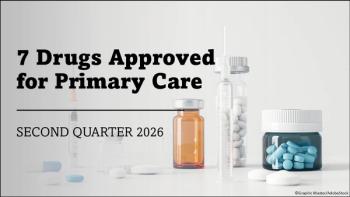
Catch up on the 7 FDA drug approvals most relevant to primary care, including new options for hypertension, weight management, acne, and more.

SLEEP 2026: A sleep expert discusses screening tools, referral pathways, and why sleep disorders matter for cardiometabolic health in primary care.

A deep learning ECG model identified a high-risk group with a 7.0% annual sudden cardiac death rate in a new study.

SLEEP 2026: Virend Somers, MD, PhD, details how busy primary care physicians can address sleep in routine visits.
SLEEP 2026: Virend Somers, MD, of Mayo Clinic, outlines why sleep has been added to the AHA's Life’s Essential 8.

The first guideline for cardiovascular-kidney-metabolic syndrome details staging, screening, risk assessment, and treatment.

Payal Kohli, MD, discusses how baxdrostat may fit into hypertension care, including efficacy, patient selection, and monitoring needs.

Kohli discusses the FDA approval of baxdrostat (Baxfendy), the first aldosterone synthase inhibitor for adults with uncontrolled hypertension.

VERVE-102 reduced PCSK9 and LDL-C after one infusion in early Heart-2 data for patients needing additional lipid lowering.
FDA approved baxdrostat for adults with hypertension not controlled on other agents, adding a new aldosterone-targeting option.

South London data show stroke rates climbing again, hitting Black communities and poorer areas hardest, and exposing gaps in prevention and follow-up.

New research shows 35.3% of insured individuals with hypertensive disorders of pregnancy had a preventive care visit within 12 months postpartum.

The TRIDENT trial shows a once-daily triple BP pill after intracerebral hemorrhage improves control and lowers recurrent stroke and cardiovascular events.

Steven Nissen, MD, discusses new SURPASS-CVOT data showing reduced cardiorenal events and mortality with tirzepatide vs dulaglutide.

A secondary analysis of the FINEARTS-HF trial demonstrated consistent treatment efficacy in patients with and without a history of IHD. Details from study author Jawad Butt, MD, here.

Phase 3 CORALreef AddOn shows oral PCSK9 inhibitor enlicitide cuts LDL 65% on statins, potentially easing primary care lipid control.

New AHA/ASA stroke guidance widens thrombolysis and EVT access, eases imaging, and updates BP/glucose targets—what frontline teams need now.

Phase 3 data show oral PCSK9 inhibitor enlicitide reduced LDL-C by 64.6% at 8 weeks vs oral nonstatins in high-risk patients.
Advertisement
Advertisement
Trending on Patient Care Online
1
FDA Approves Pfizer-BioNTech XFG-Adapted COVID-19 Vaccine for 2026-27 Season
2
Diagnosing PMOS in Adolescents: Criteria, Ultrasound Limits, and Red Flags
3
GLP-1 RA Use Accelerates Among US Children Aged 8 to 11 Years With Obesity
4
Differentiating Agitation from Depression, Anxiety, and Psychosis
5