



































































































































Regulatory update aims to align labeling with current evidence on menopausal hormone therapy safety and benefits

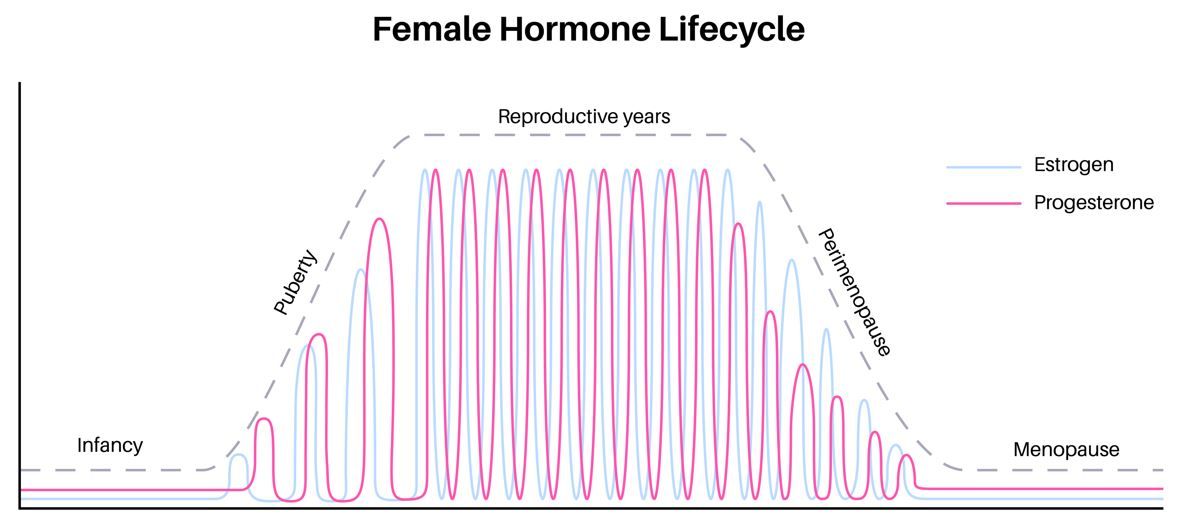
Perimenopause Misdiagnosis Affects Nearly 40% of Women as Clinicians Fail to Recognize Hormonal Transition

Hormone Replacement Therapy After the WHI: Clinician’s Evidence Timeline (2002–2025)




Regulatory update aims to align labeling with current evidence on menopausal hormone therapy safety and benefits

TMS 2025: Dr Marla Shapiro doesn't start perimenopausal therapy without an answer to the most important question: "What is your most bothersome symptom?"

Lisa Larkin, MD, discusses how elinzanetant may change menopause management for women who can’t use hormone therapy and what PCPs need to know.



New research from TMS 2025 covers menopause effects on brain volume, hormone therapy's role in weight loss with GLP-1s, and dense breast screening updates.

Common questions on the critical window hypothesis for timing of postmenopausal MHT ask about rationale, clinical evidence, and guideline response.

Jiang shares how to use new autoimmune risk data responsibly—identifying high-risk patients while avoiding unnecessary hormone therapy phobia.
Dr. Daniel Jiang shares unexpected research findings showing hormone therapy increased autoimmune disease risk across 15 of 17 conditions in postmenopausal women.
TMS 2025: Jiang explains why he investigated hormone therapy's effect on autoimmune disease risk in postmenopausal women.
Our short slide show outlines interrelated syndromes of menopause across 13 body systems, implicating therapeutic targets and approaches for clinical practice.

TMS 2025: Katrina Wugalter, MA, explains why treating vasomotor symptoms may be key to improving cognitive function during menopause.
New research presented at TMS 2025 suggests menopause stage does not accelerate brain volume loss—age does. Study author discusses clinical implications for PCPs.

TMS 2025: Early natural menopause significantly raises the risk of metabolic syndrome, highlighting the need for proactive health interventions in at-risk women.

The survey of more than 19,000 American women found low energy and sleep problems more disruptive than VMS and that Autumn is the most symptomatic season.

Your daily dose of the clinical news you may have missed.

Bayer's elinzanetant, a potential nonhormonal treatment for menopausal symptoms, awaits FDA approval after a 90-day review extension.

Low sexual desire affects up to 40% of women across the lifespan but currently there is no treatment option for those beyond their reproductive years.

Experts reviewed data from the 2002 Women's Health Initiative study that prompted class warnings for estrogen-containing therapies and called for changes, education.

Combined estrogen-progestin hormone therapy used to manage VMS of menopause was associated with a higher risk of developing luminal-like breast cancer subtypes and other subtypes.

Key predictors of the severity of self-reported cognitive complaints among nurses going through menopause included symptom severity and climacteric stage.
Bayer's elinzanetant gains UK approval as the first dual-action, nonhormonal treatment for menopausal symptoms.

Social determinants including partner status, smoking history, and BMI were significantly associated with reduced access to effective hormone therapy for menopausal women.

ASCO 2025. Elinzanetant significantly reduced the frequency of VMS vs placebo in women on endocrine therapy for treatment or prevention of HR+ breast cancer.

Details on 12 key abstracts with clinical relevance for primary care, from menopause management to PPD screening and HPV testing.