

Five trials presented at AAAAI 2026 highlight new therapies and prevention strategies for hereditary angioedema, atopic dermatitis, asthma, and chronic urticaria.
Five trials presented at AAAAI 2026 highlight new therapies and prevention strategies for hereditary angioedema, atopic dermatitis, asthma, and chronic urticaria.

ATS: Replace race-based PFTs with race-neutral GLI Global equations to improve clinical equity and accuracy.

Maternal analgesic allergy labels tied to eclampsia and preterm birth; delabeling may improve perinatal outcomes.

NIAID/NIH immunotherapy uses measured Peanut Butter to raise allergy thresholds, with specialist-guided dosing and safety nuances.

GLP‑1 therapy reduces asthma flare-ups in overweight non‑diabetics, suggesting a promising add-on for obesity-related asthma care.
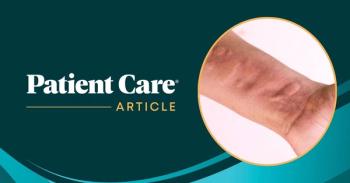
AAAAI 2026: In LIBERTY-CSU CUPID, dupilumab reduced ISS7 and UAS7 at 24 weeks across BMI, angioedema, and gender subgroups in CSU.

AAAAI 2025: RSV vaccine and immunoprophylaxis uptake remained low in 2024 across infants, pregnant individuals, and older adults.

Your daily dose of the clinical news you may have missed.
Your daily dose of the clinical news you may have missed.
Your daily dose of the clinical news you may have missed.
Your daily dose of the clinical news you may have missed.

Investigators concluded that dupilumab reduced exacerbation rates, improved lung function, and decreased systemic corticosteroid use in patients with COPD driven by type 2 inflammation.
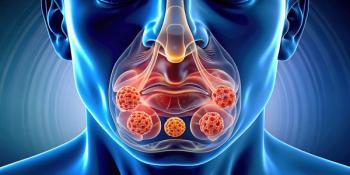
AAAAI 2025: Data from the ANCHOR-1 and ANCHOR-2 phase 3 trials show improvements in nasal polyp size and obstruction for depemokimab with twice-yearly dosing vs placebo.
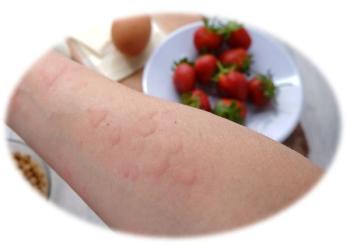
Safety findings from the phase 3 OUtMATCH trial were notable, including no adverse events for omlizumab vs 30.5% for OIT and epinephrine use for 0% vs 37.3%, respectively.

Participants (aged 6 to 17 years) receiving neffy vs standard treatments had fewer skin, gastrointestinal, and respiratory symptoms at 15, 5, and 5 minutes, respectively.

AAAAI 2025: Dupilumab was associated with a 56.9% reduction in IgE levels at 12 months and of 73.5% at 24 months, according to results presented at AAAAI 2025.
AAAAI 2025: Phase 2 study results showed POIT with home-measured peanut products was not only highly effective but also posed few risks.
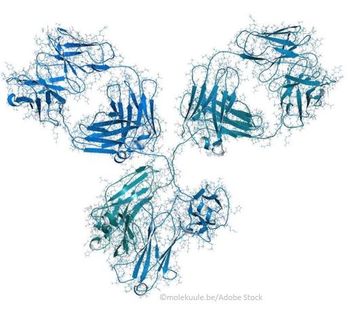
AAAAI 2025. One study found the 2 newer biologics have been prescribed more frequently while the other suggests asthma treatment may not be optimal or even consistent.
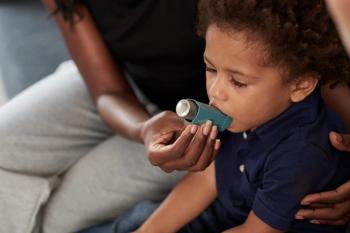
AAAAI 2025. Early postnatal antibiotic exposure in full-term infants was associated with a 30% increased risk of childhood asthma, according to a new study.

In a randomized clinical trial, omalizumab achieved a 36% treatment success rate for multi-food allergy compared with 19% for oral immunotherapy.

Dr Ebisawa details the findings he recently presented at the 2024 AAAAI annual meeting, including adverse events and next steps for the study.
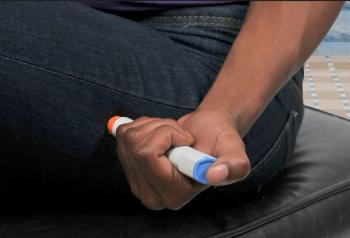
AAAAI 2024. Needle phobia is just one of the barriers to not just using an epinephrine autoinjector but to carrying one at all, according to 2 sets of surveys findings.
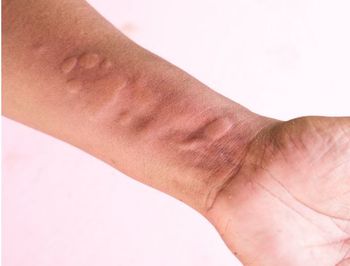
AAAAI 2024. In patients with treatment-resistant chronic spontaneous urticaria, neffy 1 mg and 2 mg resulted in improvement in itch, hives, urticaria, and erythema scores 5 minutes after dosing.
New data presented at AAAAI 2024 sheds light on real-world patterns of biologic use in a diverse patient population with severe asthma.
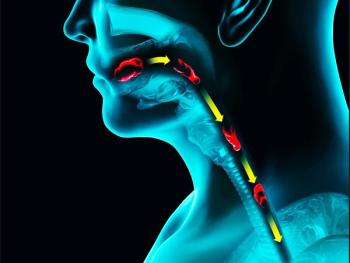
AAAAI 2024. Dupilumab-treated eosinophilic esophagitis in children was also more often associated with comorbid asthma, according to researchers.
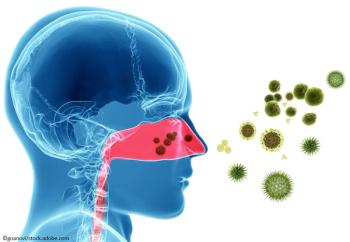
AAAAI 2024. Indoor mouse and cockroach, but not cat and dog, allergen exposure were associated with URI outcomes among children with asthma.
AAAAI 2024. New data on neffy (epinephrine nasal spray) include the first report of efficacy after oral food challenge in a pediatric population at risk for anaphylaxis.

AAAAI 2024. Patients with asthma who received dupilumab plus medium-dose ICS had improved lung function and asthma control vs those who received placebo plus high-dose ICS.

AAAAI 2024. Reduction of AD signs and symptoms was significant among approximately half of study participants at 4 weeks and continuously rose through week 260, investigators report.
AAAAI 2024. Oral mucosal immunotherapy delivered via metered-dose toothpaste produced a statistically significant increase in IgG4 and a decrease in IgE/IgG4 ratio.