

Your daily dose of the clinical news you may have missed.
Your daily dose of the clinical news you may have missed.

ACC 2026: A new secondary analysis of the VESALIUS-CV study shows evolocumab cuts heart attacks, strokes and deaths in high‑risk patients with type 2 diabetes.
.jpg?w=350&fit=crop&auto=format)
The approval of Foundayo (orforglipron) marks a formulation milestone in obesity pharmacotherapy, offering a once-daily pill free of the fasting requirements that may complicate adherence.
From new oral options for for psoriatic disease to once-weekly insulin, 5 FDA decisions with implications for primary care practice.
Your daily dose of the clinical news you may have missed.
Which patients are most likely to benefit from once-weekly insulin? Early insights on insulin icodec for adults with type 2 diabetes, here.
Test your knowledge of added sugar limits, processed food reduction, and label interpretation in the 2025–2030 Dietary Guidelines.

ACC 2026. Evolocumab reduced first CV events by 31% in high-risk diabetes without ASCVD, supporting earlier LDL-C intensification.
Your daily dose of the clinical news you may have missed.
From oral GLP-1s for obesity and T2D to a potential first new smoking cessation drug in 20 years, here are 5 FDA pipeline updates to put on your radar.
The FDA has approved Awiqli® (insulin icodec-abae), the first once-weekly basal insulin for adults with type 2 diabetes, reducing injections from 7 to 1 per week.

New 4-year data from the ADlong trial show lebrikizumab achieved EASI-75 in 94% of atopic dermatitis patients on once-monthly maintenance dosing.
Episode highlights include a new AD blood test for PCPs, sleep effects of elinzanetant among postmenopausal women, lung cancer screening gains, and more.
Your daily dose of the clinical news you may have missed.

COVID-19 infection increased risks of AKI, CKD, and ESRD vs influenza in a 3 million–patient US study, highlighting need for kidney monitoring.

New data to be presented at ACC 2026 shows 6 hours of daily screen time may lead to higher BP, LDL-C, BMI, and nicotine use, independent of exercise.
Your daily dose of the clinical news you may have missed.
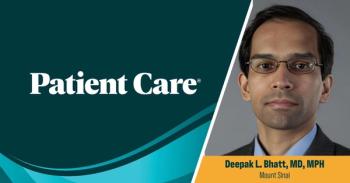
Dr Bhatt emphasizes that clinical targets for biological variables like blood pressure and LDL-C are crucial for effective patient care.

Replacing 30 minutes of sedentary time with sleep or exercise was linked to lower insulin resistance in teens in preliminary AHA EPI 2026 data.
Test your knowledge of added sugar limits, processed food reduction, and label interpretation in the 2025–2030 Dietary Guidelines.