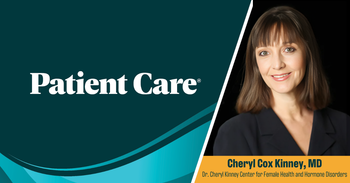
Cheryl Cox Kinney, MD, explains when night sweats warrant further evaluation, including red flags, persistent symptoms, and potential nonmenopausal causes.
The MenoMEC grid rates hormone and nonhormone therapies for hot flashes by comorbidity, affirming hormone therapy as first-line for eligible women.
A new Menopause Medical Eligibility Criteria (MenoMEC) tool published today rates hormone and nonhormone therapies for vasomotor symptoms on a 1-to-4 scale across common comorbidities, giving clinicians a quick reference for choosing treatment, according to senior author Mary Jane Minkin, MD, clinical professor of obstetrics, gynecology and reproductive sciences at Yale School of Medicine in New Haven, Connecticut.
"I love hormones, and I'd love to give it to everybody, but I can't," Minkin said in an interview.
The tool is modeled on the 2024 US Medical Eligibility Criteria for Contraceptive Use (US MEC), which uses the same 4-category system to guide contraceptive prescribing.1,2 Minkin notes that many residency programs stopped teaching menopause care after the Women's Health Initiative findings were released in 2002, so a growing number of clinicians are now entering the field without practical prescribing resources. The recommendations were developed through a Bayer-funded modified Delphi process with 15 multidisciplinary experts.1
Panelists affirmed hormone therapy as first-line treatment for moderate to severe vasomotor symptoms in women without contraindications, such as unexplained vaginal bleeding, estrogen-sensitive cancer, prior cardiovascular or thromboembolic events, or liver disease.1 Neurokinin-targeted therapies, including fezolinetant (Veozah) and elinzanetant (Lynkuet), were supported as first-line nonhormone options when accessible, alongside selective serotonin or serotonin-norepinephrine reuptake inhibitors, gabapentin, and oxybutynin. Clonidine and most herbal or over-the-counter products were not recommended.1
Minkin encourages primary care clinicians to weigh benefits beyond symptom relief. Hormone therapy remains the most effective treatment for vasomotor symptoms and the genitourinary syndrome of menopause and has been shown to prevent bone loss and fracture, which may favor it for women at risk for osteoporosis or with vaginal dryness.3
Watch the full interview to hear Minkin discuss why fears rooted in the Women's Health Initiative persist, how she tailors nonhormone therapy for cancer survivors, and what sets neurokinin-targeted therapies apart from older options.
References