

Opinion|Videos|May 10, 2024
Optimizing T1D Care: Collaborative Approaches and Expert Insights
Advertisement
Episodes in this series
Advertisement
Related to this article

Abbott's investigational device achieved 96.3% complete left atrial appendage closure by echocardiography, with a 1.8% ischemic stroke rate at 1 year.

October FDA news included updates on long-acting olanzapine, multi-cancer blood testing, stroke rehabilitation, and heart failure monitoring.

Christoph Correll, MD, discusses the new once-monthly olanzapine injection for schizophrenia, including clinical efficacy, metabolic risks, and patient selection.
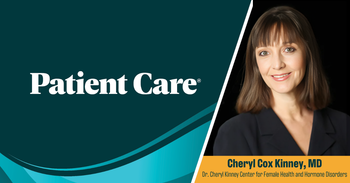
Cheryl Cox Kinney, MD, explains when night sweats warrant further evaluation, including red flags, persistent symptoms, and potential nonmenopausal causes.

TMS 2026: Menopause was coded in just 7.8% of midlife outpatient visits. Arina Chesnokova, MD, MPH, discusses diagnosis gaps, prescribing risks, and solutions for primary care.
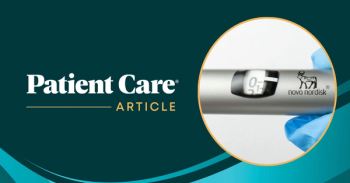
Investigational CagriSema produced 23.1% to 26.7% weight loss across menopause stages at 68 weeks, with improvements in cardiometabolic risk factors.
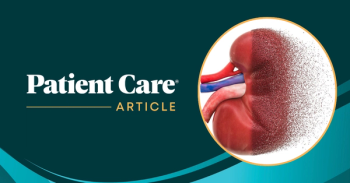
An EHR-integrated tool matched manual CKD and cardiovascular risk assessments in 60 patients and showed promise for improving risk-based kidney care in primary care.

TMS 2026: Nearly 67% of US women receiving elinzanetant achieved at least a 50% reduction in menopausal VMS frequency by week 12 in pooled phase 3 trial data.
Advertisement
Advertisement
Trending on Patient Care Online
1
When Night Sweats Signal Something Other Than Menopause
2
Abbott's Amulet 360 Linked to Low Stroke Risk at 1 Year in Late-Breaking Research
3
4 FDA Decisions for Primary Care to Know from October 2026
4
New Schizophrenia Treatment Addresses Long-Standing LAI Barriers
5