

AHA Scientific Sessions 2021
AHA Scientific Sessions 2021: Blood pressure reductions to clinical targets were achieved by patients with sustained hypertension through a remote health care delivery program during the COVID-19 pandemic.
AHA Scientific Sessions 2021
AHA Scientific Sessions 2021: Blood pressure reductions to clinical targets were achieved by patients with sustained hypertension through a remote health care delivery program during the COVID-19 pandemic.

AHA Scientific Sessions 2021
AHA 2021: E-cigarette users were found to have a 15% higher risk of a cerebrovascular accident at a younger age than those who smoked combustible tobacco cigarettes.
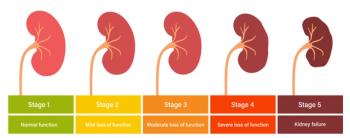
Finerenone was associated with a 20% lower risk of end-stage kidney disease among patients with T2D and CKD, according to authors of the FIDELITY analysis.

Efficacy of COVID-19 vaccines from Pfizer, Moderna, and J&J fell between 35% and 85% among nearly 800 000 US veterans, found a consortium of investigators.

The Pfizer study was stopped early for efficacy and the company plans to submit data to the US FDA for Emergency Use Authorization as soon as possible, according to a statement.
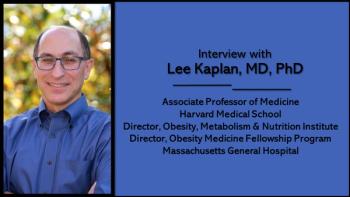
The evidence that obesity is pathophysiologic dysfunction in the human body places it squarely in the realm of chronic disease, according to obesity specialist Kaplan. Let’s treat it accordingly.

Primary care leadership is essential to the future of obesity medicine, says Kaplan, but treatment needs to be within the normal scope of primary care practice. Hear him explain.
ObesityWeek 2021
Recognizing obesity as chronic pathophysiologic dysfunction and explaining that to a patient will make them remarkably more receptive to all other discussions about treatment, says obesity specialist Kaplan.
ObesityWeek 2021. Weight loss with semaglutide was more than 2 times greater than with liraglutide in the 68-week placebo-controlled trial of the 2 GLP-1 RAs.

A clinical psychologist from the Mayo Clinic Bariatric Center in Jacksonville, FL, explains and corrects key misperceptions that inhibit open discussion of the therapy.

Alexis Beatty, MD, MAS, highlights findings from the first peer-reviewed published study to report long-term experience with a digital health app for hypertension.
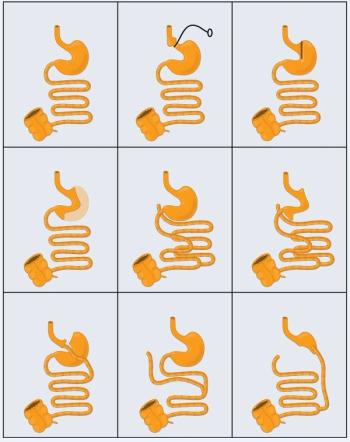
ObesityWeek 2021
ObesityWeek 2021. Liraglutide helped patients who regained weight after successful gastric bypass surgery re-achieve their lowest weight with an acceptable safety profile.

ObesityWeek 2021
ObesityWeek 2021: Weight loss support delivered via pandemic-driven telehealth resulted in clinically significant weight loss, report 2 different research teams.
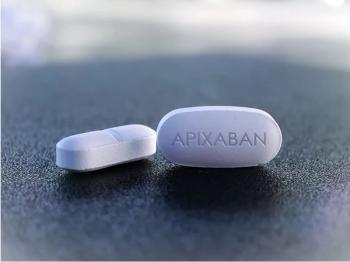
Primary nonadherence with anticoagulant therapy may be influenced by which DOAC is prescribed, age, and diagnosis of several chronic diseases, a new study found.
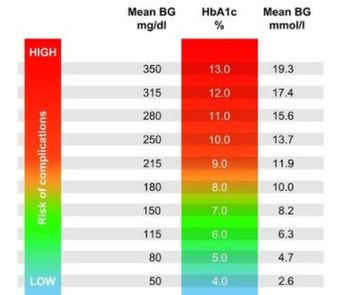
For individuals with A1c of 6.4-6.5%, just below the threshold for diabetes, risk of MACE was higher than for any other subgroup with A1c values ranging from 5.8-6.8%.
Results of a GALACTIC-HF post-hoc analysis suggest a role for omecamtiv mecarbil in an HF population that remains difficult to treat effectively.

Approximately three-quarters of asthma patients who began multiple-inhaler triple therapy had stopped using it 6 months later, according to a new study.

CHEST 2021
CHEST 2021: Among >7000 veterans diagnosed with lung cancer and scheduled for surgery, seeing a primary care doctor was linked to pre-operative quitting.
CHEST 2021
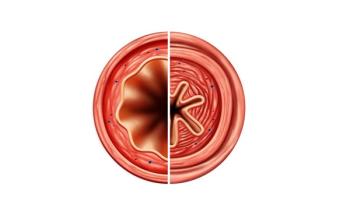
CHEST2021: The CHRONICLE study of biologics to treat severe asthma found reductions in exacerbations of more than 50% in patient groups not included in clinical trials.
The Vaccines and Related Biological Products Advisory Committee unanimously recommended the Moderna booster on Thurday, the J&J booster on Friday.

A survey of adults aged 50-80 years with hypertension and/ or related comorbidities found even among those with a BP monitor at home, less than 50% checked BP at least once a week.
Fielding inappropriate patient requests and getting to "No" while preserving rapport with a patient is an essential clinical skill. AAFP has a 5-step approach.
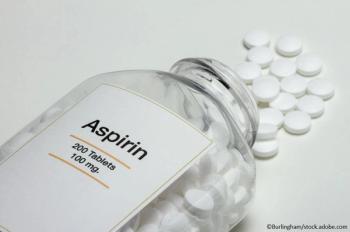
The USPSTF shift to a more conservative recommendation on use of aspirin compared to its 2016 stance is based on new RCT data and net benefit modeling.
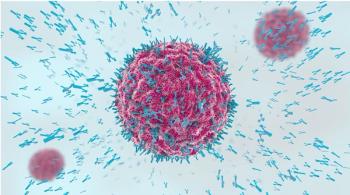
The long acting antibody combination reduced risk of severe disease or all-cause mortality by 50% in outpatients with high-risk comorbidities.
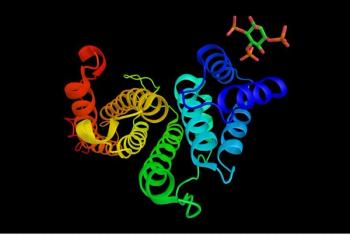
Iron deficiency can't be causally linked to CHD yet, but evidence is accumulating for the association, according to authors of a new European study.
WHO endorsement for widespread use in Africa of the only vaccine against malaria comes at a time when progress in control of the disease has "stalled," the organization says.
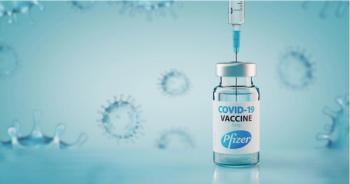
Two doses of the Pfizer COVID-19 vaccine also showed sustained efficacy of 93% against Delta-related hospital admission.
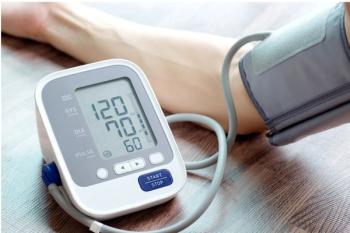
Clinical guidelines recommend home or ambulatory BP monitoring to diagnose hypertension. New research sheds light on what patients prefer and will adhere to.
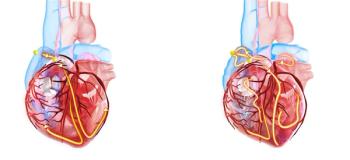
The temporal connection of atrial fibrillation and risk of ischemic stroke provides support for short-duration oral anticoagulation, said study authors.

Janssen's investigational vaccine showed efficacy of up to 80% in preventing RSV-mediated lower respiratory tract infections in older adults.