

Hot flashes and night sweats are just 2 of the myriad symptoms associated with menopause. Click through a quick refresher on the transition and effective treatments.
Hot flashes and night sweats are just 2 of the myriad symptoms associated with menopause. Click through a quick refresher on the transition and effective treatments.

Take a quick look back at developments this year with our higlights of acceleration of DMTs, particularly focusing on anti-amyloid antibodies and novel oral agents.

Completion of the screening pathway—not test selection alone—may define quality going forward.

Phase 3 LIBerate data showed sustained LDL-C reductions of 60% or more in high-risk patients and 50% or more in HeFH, with once-monthly self-administration.
Moving patients from considering screening to completing it remains the central challenge in colorectal cancer prevention, Fendrick explained to Patient Care.

The phase 3 REDFINE program showed mean weight loss of 20% at 68 weeks, supporting the dual-mechanism approach that combines semaglutide with cagrilintide.
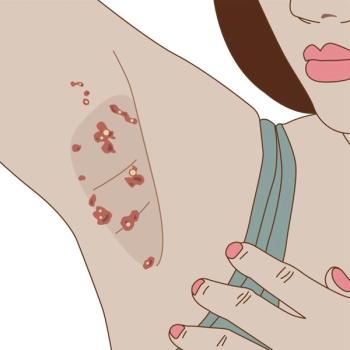
This is a summary of the multisystem effects of hidradenitis suppurativa followed by practical tips for primary care in recognizing and managing the chronic skin condition.

CDC officials say the shift reflects evidence review and informed consent, as public health groups warn of potential downstream effects.
Approval of the novel long-acting mAb was based on the phase 3 SWIFT-1 and SWIFT-2 trials, which showed steep reductions in annualized asthma exacerbations requiring ED or inpatient care.
This is a topline look for primary care on when to suspect hidradenitis suppurativa, how to stage severity, and when to escalate treatment or refer to dermatology.

Findings support the importance of integrating behavioral health assessment into dermatology visits, particularly for patients with high quality-of-life impairment.
A practical, evidence-based overview of how to recognize hidradenitis suppurativa early, stage disease severity, and coordinate care before progression.

The mobile-based program targets cognitive processes underlying attention and is intended for use alongside medication, therapy, or education.

Missed endpoints in midstage tau trials are reshaping the Alzheimer pipeline, with growing focus on inflammatory and vascular pathways. Review them here.
CGM users experienced fewer ED and inpatient days and better glycemic outcomes, but most eligible adults in this large cohort did not use the technology.
Phase 3 results showed durable conversion benefits with a favorable safety profile, informing real-world management of acute PSVT outside of emergency settings.

A population-based study finds stimulant prescribing accelerated after 2020, with the largest increases among adults and women.
Zolifodacin is a single-dose oral treatment option for uncomplicated urogenital gonorrhea and one of the first new classes of drugs for the disease in 20 years.

A new review examines whether neuromodulation techniques may help address excessive daytime sleepiness across neurologic and psychiatric conditions.

Findings highlight an AI-based machine-learning approach designed to work around incomplete diagnostic labeling in Alzheimer disease using routine clinical data.

Both doses of the GLP-1, GIP, glucagon triple agonist (9- and 12-mg) met all primary and key secondary endpoints and reduced CV risk factors as well, Eli Lilly said.

WHO experts weighed decades of high-quality studies against flawed analyses, finding consistent evidence that current vaccines pose no autism-related risk.

Flow Therapeutics announced approval of its Flow-100 tDCS therapy for depression, which could expand access to non-pharmacologic care and will be available in the US in H2 2026.

How does alcohol figure in to American holiday celebrations? We checked with Alcohol.org for this quiz. Are answers what you expect?

Clevenger speaks to primary care clinicians, emphasizing 3 priorities: engage family as partners, ask about agitation, and recognize its danger to patient and caregiver.

Genetic predisposition to psoriasis appears to raise depression risk, offering insights into shared inflammatory mechanisms and implications for screening.

The inquiry follows internal requests for closer review of trial findings and real-world evidence; regulators have not yet indicated any planned actions.

The revised AHS guideline recommends treatments that offer the strongest benefit at ED discharge and identifies options with limited or no supporting evidence.

Ob/gyn Dorr outlines how short clinical visits and symptom overlap cause many women to receive an antidepressant Rx instead of perimenopause care.

Kallyope reported favorable phase 2b data in acute migraine for elismetrep, a novel ion channel protein, highlighting competitive efficacy and good tolerability.

Published: June 26th 2025 | Updated: July 25th 2025


