

Emotional red flags in AD, eg, sleep loss, isolation, hopelessness, often go unseen. Quick screening questions can surface the real burden individuals carry.
Emotional red flags in AD, eg, sleep loss, isolation, hopelessness, often go unseen. Quick screening questions can surface the real burden individuals carry.

Growing up with AD carries lifelong emotional consequences. Clinicians who recognize these developmental risks can better support patients at every stage.

Up to 1 in 4 patients with atopic dermatitis face anxiety or depression. Primary care clinicians are key to identifying risk and supporting mental well-being.

Cochrane shares her own research findings on how clinician specialty shapes menopause care and highlights gaps in hormone therapy prescribing.

A 2-fold rise in pediatric hypertension over 2 decades and new long-term imaging data signal a need to rethink how early clinicians act on elevated BP.

GLORY-2 participants showed continuous weight loss through 60 weeks with no plateau; mazdutide also improved multiple cardiometabolic markers.

Life-course analysis sheds light on how movement patterns influence brain resilience, giving clinicians new context for counseling about dementia prevention.

Eisai and Acumen Therapeutics will present new data in areas including long-term outcomes, brain delivery strategies, and early-stage Alzheimer disease.

Deep TMS becomes first FDA-cleared brain stimulation therapy for adolescents with treatment-resistant depression and is now available for ages 15-86 for MDD treatment.

TMS: Harvard's Caroline Mitchell, MD, MPH, questions the direction of genitourinary syndrome research priorities and reflects on FDA's removal of HRT warnings.

UK neurodivergent adults report strong views on neurodiversity terminology, emphasizing correct usage and its role in stigma, identity, and communication.

In the phase 2 clinical trial, tradipitant, an oral neurokinin-1 receptor antagonist, was dosed twice daily among adults with obesity and treated with semaglutide.

Individuals who have chronic widespread pain showed a 75% increased risk of developing hypertension compared to fellow UK Biobank participants who were pain-free.

Higher surprisal scores, measuring how atypical a daily experience is, increased migraine odds by 86% at 12 hours and 115% at 24 hours in new cohort study.

LEO Pharma reveals promising 32-week results for tralokinumab, showing significant benefits for adults with moderate-to-severe hand eczema.
Harvard's Caroline Mitchell, MD, MPH, explains how common OTC products can worsen vulvovaginal symptoms and the importance of a targeted history in GSM care.
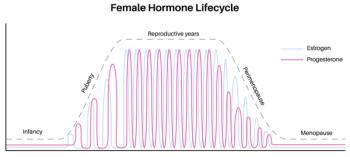
Nearly 40% of perimenopausal women report misdiagnosis as clinicians treat for anxiety and depression without addressing underlying hormonal imbalance.

The comprehensive timeline highlights how WHI findings and subsequent research reshaped HRT risk assessment, guidance, and FDA labeling through 2025.
A geriatric psychiatrist's clinical pearls on agitation in AD, incluiding behavioral cues, triggers, and evidence-based treatment strategies for primary care.

A 10-year microsimlation model of annual MCED testing revealed signficant reductions in late-stage cancer diagnoses, particularly for cancers lacking routine screening,

Many caregivers, both paid and unpaid, miss or misinterpret agitation symptoms in Alzheimer disease, fueling stress, stigma, and delayed medical support.
Mitchell highlights hormone therapy prescribing for primary care: treatment algorithms, vaginal estrogen safety, and when progestins aren't needed.

Research reveals metformin's potential to enhance sinus rhythm stability post-ablation for AF in adults with obesity, independent of weight loss.

Indiana University study found that integrating patient-reported outcome questionnaires with machine learning boosts dementia diagnoses by 31% in primary care settings.

The TARGET-D trial found targeted vitamin D dosing post-MI didn’t lower MACE but reduced recurrent MI risk, supporting individualized serum-level management.

Recognize Cushing syndrome in primary care: key clinical clusters, first-line screening tests (DST, salivary cortisol, UFC), and when to refer to endocrinology.

Sublingual epinephrine film matches adult PK/PD in kids aged 7-17 with a history of allergic reactions and high risk for serious allergic reactions, incluing anaphylaxis.

Merck's oral PCSK9 inhibitor enlicitide demonstrated antibody-like LDL-C lowering in adutls with HeFH with safety profile similar to placebo in phase 3 trial.

Phase 2b findings show rezpegaldesleukin reduced ACQ-5 scores and improved key AD endpoints in participants with comorbid asthma.

Submission of the sNDA suggests a potential FDA decision on the dextromethorphan-bupropion combination sometime during the first quarter of 2026.