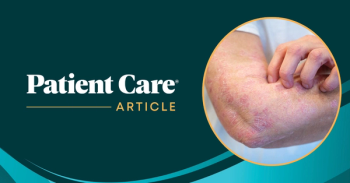
Atopic Dermatitis: The Lifetime Impact of the Condition
Growing up with AD carries lifelong emotional consequences. Clinicians who recognize these developmental risks can better support patients at every stage.
One of the most striking findings in recent
Early-Onset AD: Scars That Last
The impact of childhood-onset atopic dermatitis on adult psychosocial experience is far-reaching and profound, according to findings from the Scars of Life Survey,1 led by Jonathan Silverberg, MD, PhD, MPH, associate professor of dermatolgoy and The George Washington University School of Medicine and Health Sciences in Washington, DC, where is is also the director of clinical research and contact dermatits.
Individuals who developed AD in childhood report lasting effects on1:
- Self-esteem and body image - Persistent feelings of self-consciousness and shame about appearance
- Social relationships - Difficulty forming intimate relationships, ongoing social anxiety
- Educational and career choices - Avoidance of certain professions or opportunities due to disease-related concerns
- Overall quality of life - Reduced life satisfaction even when skin symptoms are currently controlled
These findings underscore a critical point: AD is not simply a pediatric disease that children "outgrow." Even when lesions resolve, the psychological imprint can last a lifetime. As Harvard child psychologist Jennifer LeBovidge, PhD, notes, "Awareness of the psychological burden of eczema is improving, but if clinicians don't address mental health, patients and families will suffer in silence.2
Critical Periods of Vulnerability
The psychological burden of AD varies across developmental stages, with certain periods representing particularly high-risk windows3:
Young Children (ages 6-12):
- Social development during formative years
- Bullying and social exclusion
- Sleep disruption affecting school performance
- Caregiver stress impacting family dynamics
Adolescents (ages 13-17):
- Highest reported burden across all age groups
- Identity formation during peak self-consciousness years
- Dating and peer relationships
- Significantly greater impact on quality of life compared to younger children
Young Adults (ages 18-30):
- Career establishment and professional identity
- Intimate relationships and partnership formation
- Ongoing effects of childhood disease experience
- Transition from parental to self-management
Understanding these developmental vulnerabilities helps clinicians tailor their approach and screening efforts to the patient's life stage.

Patient Care Original Articles
Burden of moderate to severe atopic dermatitis weighs heavily on children and adolescents: real-world analysis. Patient Care. Available at: https://www.patientcareonline.com/view/burden-of-moderate-to-severe-atopic-dermatitis-weighs-heavily-on-children-and-adolescents-real-world-analysis
The toll of atopic dermatitis is more than skin deep: Q & A with Harvard child psychologist Jennifer LeBovidge, PhD. Patient Care. Available at: https://www.patientcareonline.com/view/the-toll-of-atopic-dermatitis-is-more-than-skin-deep-q-a-with-harvard-child-psychologist-jennifer-lebovidge-phd
Early-onset atopic dermatitis significantly impacts psychosocial development, wellbeing throughout adult life. Patient Care. Available at: https://www.patientcareonline.com/view/early-onset-atopic-dermatitis-significantly-impacts-psychosocial-development-wellbeing-throughout-adult-life
Newsletter
Enhance your clinical practice with the Patient Care newsletter, offering the latest evidence-based guidelines, diagnostic insights, and treatment strategies for primary care physicians.