




























































































































































The adjusted dosing for donanemab in early AD reduced ARIA-E risk by 41% compared to the original dosing, without compromising efficacy.
The adjusted dosing for donanemab in early AD reduced ARIA-E risk by 41% compared to the original dosing, without compromising efficacy.

The Fujirebio in-vitro diagnostic has shown positive and negative predictive values of 92% and 97%, respectively, for early AD detection and will be offered by end of summer.

Discover essential clinical insights on Alzheimer disease screening in primary care, eczema treatments, and the latest in cancer detection and diet impacts on CHD risk.

The StateViewer clinical decision support system could help expand access to specialist-level insights in clinics that lack neurology expertise, according to researchers.

The adjuvanted RSV vaccine, in particular, was associated with a 29% reduction in the risk of dementia in the subsequent 18 months, a University of Oxford study found.

Suboptimal adherence with antidementia drugs is associated with poorer clinical outcomes including accelerated disease progression and symptomatology.
Primary care clinicians are generally the first clinical contact for older adults with early signs of dementia. Our survey uncovered 5 primary challenges to being in that role.
New survey finds that most PCPs screen for mild cognitive impairment, but time is an issue, guidelines are few, and low levels of confidence persist.

Authors say their findings support the accumulating evidence that late-life mood disorders may be a prodromal manifestation of dementia vs a risk factor alone.

Cycling and mixed cycling were associated with a reduced risk of all-cause dementia, including of young onset, as well as increased hippocampal volume.

A study reveals low clinician engagement in digital cognitive assessments for dementia in primary care, highlighting workflow and other barriers to early detection.

Your daily dose of the clinical news you may have missed.

Senate hearing reveals tensions between scientific consensus and HHS Secretary Kennedy's claims on Alzheimer research funding and priorities.
Adults with early AD who were treated with lecanemab in a specialty memory clinic experienced adverse events comparable to those seen in clinical trials.
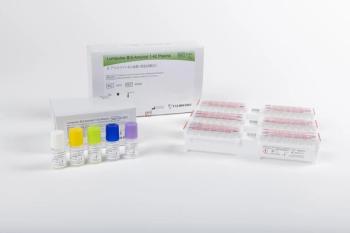
The diagnostic is designed to help clinicians determine the likelihood of cerebral β-amyloid plaque deposition, one of the neuropathologic hallmarks of AD.

Primary care clinicians are on the frontline of detecting early cognitive decline. Help us understand your challenges by taking this short survey.

The new findings are contrary to previous research that found family history of AD increases desire for testing and support the "right not to know."
Occasional trouble finding a word reflects typical age-related brain changes; the changes that cause a person to refer to a watch as a "hand clock" are not the same.
US adults want to know early on if they have Alzheimer disease, when treatment may slow it, and they are willing to participate in trials of new drugs.

Biomarkers in a pattern characteristic of Alzheimer pathology were identified in unspecified dementia, Parkinson dementia, and frontotemporal dementia.

Authors found a dose-response relationship between MetS and dementia onset in the 4th decade; in those with all 5 components, risk of dementia was increased by 77%.

The findings suggest that women who experience early menopause (age <40 vs >50 years) may constitute a sex-specific high-risk group for cognitive decline.

Interventions to protect or improve auditory health across the lifespan could be a cost-effective means of slowing the rapid rise of dementia in the US, authors wrote.

Adults with a cannabis-related acute care visit or hospitalization were at 23% and 72% greater risk of a new dementia diagnosis within 5 years, a new study finds.
Your daily dose of the clinical news you may have missed.