























































































































































About one-quarter of children with T2D are not obese, according to a meta-analysis, making comprehensive screening essential in the population.
About one-quarter of children with T2D are not obese, according to a meta-analysis, making comprehensive screening essential in the population.

The Dexcom G7 continuous glucose monitoring system provides an overall MARD of 8.2%, the highest of any FDA-cleared CGM, the company says.
Empagliflozin is the first SGLT-2 inhibitor to demonstrate a statistically significant reduction in HbA1c in children and adolescents with type 2 diabetes.

The FDA amended Pfizer and Moderna EUAs for updated COVID-19 vaccines to include children as young as age 6 months as holidays and winter weather approach.

Findings from a new study suggest that supplementing standard care for obesity with butyrate helped reduce BMI, improve glucose metabolism, and reduce inflammation markers.
Pfizer and BioNTech submitted an application to the FDA for emergency use authorization of their omicron BA.4/BA.5-adapted bivalent COVID-19 vaccines in children aged 6 months to 4 years.

Your daily dose of clinical news you may have missed.
Your daily dose of clinical news you may have missed.

New findings suggest that the elevated risk of overdose with benzodiazepine use for sleep disorders is a critical safety consideration when treating young people.
Your daily dose of clinical news you may have missed.

Racial disparities in maternal, prenatal, and infant care are "stark and unacceptable," say authors of the March of Dimes 2022 Report Card.

One in 7 parents have not discussed vaccines with their child's primary clinician during the 2-year pandemic period, according to a CS Mott Children's Hospital poll.
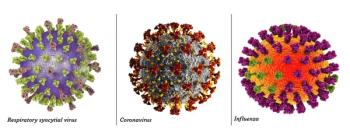
Overall flu activity is at a 10-year high, according to the CDC's most recent influenza surveillance report, while US hospitals are already overwhelmed.
Your daily dose of clinical news you may have missed.

Early oseltamivir use reduced the length of hospitalization and risk for hospital readmission in children hospitalized with influenza, according to new research.

Weight management in children and adolescents with obesity requires unique sensitivity to the physical and emotional needs of these vulnerable pediatric patients.

RSV is back for the 2022-23 respiratory virus season and is unfamiliar to many. Click through this quick collection of myths already in circulation to prepare.

ObesityWeek® 2022
Semaglutide 2.4 mg (Wegovy) weight loss benefits in adolescents mirror those seen in adults, according to phase 3a trial findings presented at ObesityWeek® 2022.
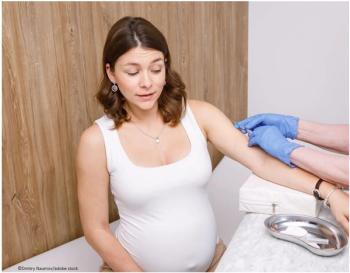
Topline phase 3 trial data showed 81.8% efficacy for the maternal vaccine against severe RSV-related illness in infants from birth through first 90 days of life.

For the first time, the task force recommended screening children aged 8 and older for anxiety in primary care settings.
The FDA amended EUAs for omicron-adapted vaccines from both Pfizer and Moderna, authorizing the shots for children and adolescents.
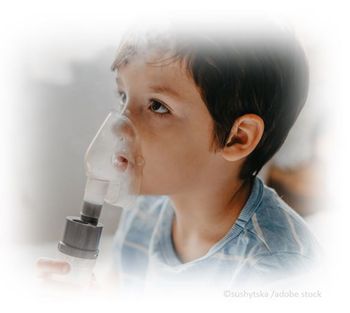
The noninvasive, easily administered tool was able to predict at age 3 years children who would be diagnosed with asthma at age 5 years.

Findings show that increased consumption of candy among adolescents was linked to a 31% increase in intake of all other ultraprocessed foods.
Refractory adult misbeliefs about vaccine safety have increased reluctance to vaccinate US children aged 5-11 years, according to an Annenberg Public Policy center survey.

Children with obesity enrolled in the FitTastic study group had more favorable BMI patterns compared to control group, according to longitudinal effectiveness study.