
Drs James Hennessey and Antonio Bianco examine the differences in prevalence between overt and subclinical hypothyroidism.
Drs James Hennessey and Antonio Bianco examine the differences in prevalence between overt and subclinical hypothyroidism.
James Hennessey, MD, FACP, and Antonio Bianco, MD, PhD, discuss the prevalence of hypothyroidism and the role of thyroid hormone replacement therapy in managing the condition.

Charles Montano, MD, and Carmen Kosicek, MSN, PMHNP-BC, provide advice regarding monitoring for adverse events and compliance with different classes of MDD treatment and review suggestions for follow-up and special patient populations.

Experts in psychiatry share their thoughts on the perception of MDD within the healthcare community and the implications of this condition being viewed as chronic vs episodic.
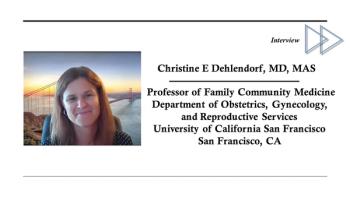
How to keep family planning conversations in primary care? First, you have to have them, says UC San Francisco professor of family community medicine, Christine Dehlendorf, MD, MAS.
Clinician-directed conversations on contraception and family planning remove patients from the center of the visit which is where must be in a shared decision-making model.

Carmen Kosicek, MSN, PMHNP-BC, and Charles Montano, MD, comment on the interplay between depression and other comorbid psychiatric and medical health conditions as well as the economic impact of MDD.

Charles Montano, MD; Carmen Kosicek, MSN, PMHNP-BC; and Gus Alva, MD, DFAPA, review the impact of the duration of MDD episodes and goals of managing episode recurrences.
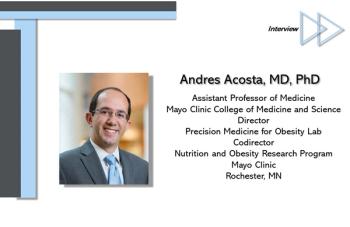
Ordering an obesity phenotype should be as simple and routine as ordering an HbA1c or a lipid panel, says obesity expert Andres Acosta, MD, PhD.
Obesity physician-scientist Andres Acosta, MD, PhD, reviews findings from recent studies he led that suggest true potential for phenotype-focused weight loss intervention.
Obesity phenotyping uses a battery of validated tests and procedures to determine the root cause of a patient's disease and then match treatment accordingly.
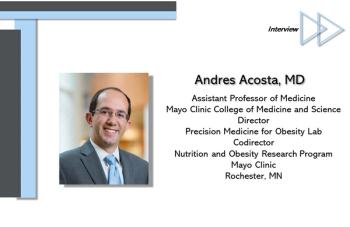
Mayo Clinic's Andres Acosta, MD, PhD, details the 4 biologic obesity phenotypes his team has identified and how their use can change weight loss outcomes.
Acosta, a pioneer in the phenotyping of obesity, says one-third of patients don't respond to treatment and he knows why.

Use of GLP-1 mimetics and SGLT-2 inhibitors for cardiorenal protection in T2D patients is backed by robust clinical trial evidence, says AACE President Sethu Reddy, MD.
AACE president Dr Sethu Reddy highlights evidence-based updates, including selection of diabetes medication based on comorbidities and new agents to treat DKD and elevated lipids.
Reddy talks about the value of A1c vs results of an OGTT for T2D diagnosis, about glycemic targets and patient safety, hyperglycemia during pregnancy, and more in our interview.
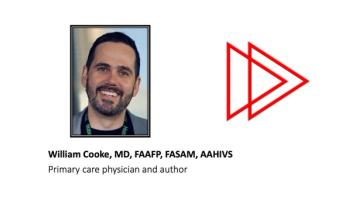
A small-town physician offers words of encouragement to his peers.

AAFP Board Chair Ransone points to recent data that show two-thirds of long COVID patients are already treated in primary care settings.
It is clear that COVID-19 comes in waves, but it's too soon in the life of the virus to predict patterns, Ransone says. Strategy? Get shots in arms.
AAFP Board Chair Sterling Ransone, Jr, MD, encourages patients to get both shots at one visit; if they don't, he has strategies to bring them back for the one they didn't get.
AAFP Board Chair Sterling Ransone, Jr, MD, offers an Academy refresher on the annual push-back from patients that is so familiar to family medicine clinicians.

Ransone hasn't had a case of influenza in his practice in 2 years, but with mitigation measures all but over and COVID-19 in the wings, this year could be different.
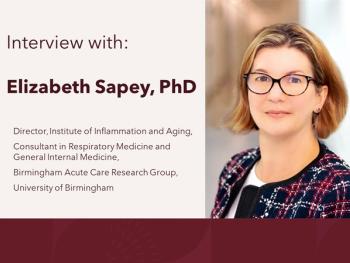
Elizabeth Sapey, PhD, discusses how the updated treatment recommendations from the World Health Organization may impact future use of remdesivir.
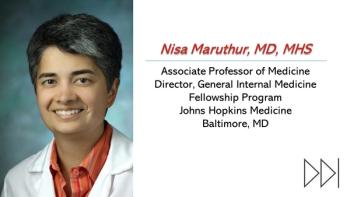
Weight loss of at least 5% to 10% for persons with T2D is realistic and essential, says Nisa Maruthur, MD, MHS, coauthor of the new ADA/EASD consensus report.
Nisa Maruthur, MD, MHS, a primary care physician and consensus report coauthor, discusses elements of the most effective care for patients with type 2 diabetes (T2D).
Elizabeth Sapey, PhD, discusses findings from the SOLIDARITY study and similar research on the efficacy of remdesivir for treatment of severe disease.

Dr Maruthur, a PCP and coauthor for the new ADA/EASD consensus report on T2D, says that's why this report includes the "tips on implementation" sections.
As long as the role of social determinants of health in T2D is not prioritized, care for these patients will remain poor and outcomes will not improve, says consensus report author.
Dr Maruthur, a primary care physician, helped develop the new ADA/EASD consensus report on T2D management and has suggestions.
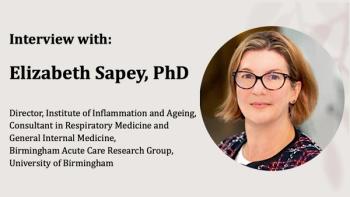
Elizabeth Sapey, PhD, discusses the updated recommendations and the research that prompted the decision.