

Dr Maruthur, of Johns Hopkins Medicine, talks about how the concept of "holistic" patient care continues to expand in the management of persons with T2D.
Dr Maruthur, of Johns Hopkins Medicine, talks about how the concept of "holistic" patient care continues to expand in the management of persons with T2D.
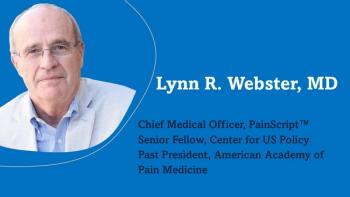
A discussion with Lynn Webster, MD, about the importance and future of mobile health technology for chronic pain management.
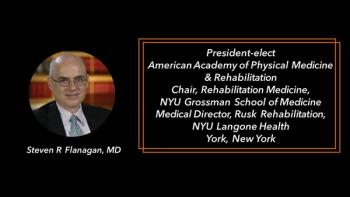
Long COVID is now recognized as real, in the medical community and in Washington, DC, but 2 years ago it was a different story, says AAPM&R's Steven Flanagan, MD.

NYU Langone Rusk Rehabilitation medical director Steven Flanagan, MD, discusses the "second crisis" of the pandemic and the impact on primary care.
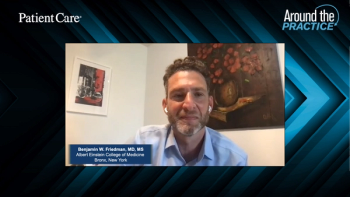
Benjamin W. Friedman, MD, MS; Francesca Beaudoin, MD, MS, PhD; Paul Arnstein, RN, PhD, FAAN; and Jeff Gudin, MD, provide take-home messages to providers treating patients with acute pain.
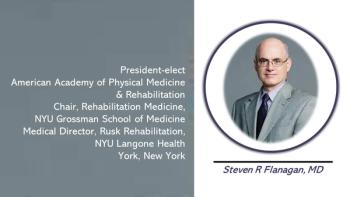
Long COVID symptoms are reported by persons who have had only mild disease, who have been vaccinated and boosted, and even those who had asymptomatic infection.
Benjamin W. Friedman, MD, MS, presents a case of a 27-year-old man with acute pain.
Drs Benjamin W. Friedman, Francesca Beaudoin, Paul Arnstein, and Jeff Gudin discuss new marketed combinations with novel technology when treating acute pain.
Expert pain specialists discuss the role of combination therapy and their experience treating patients with acute pain with a multimodal approach.

Pain experts discuss the issue of substance abuse when selecting therapy for acute pain.

Steer clear of antibiotic Rxs whenever possible, says Anne Meneghetti, MD, to help the US get back to pre-COVID levels of antimicrobial stewardship.

Preventing viral infections with vaccination can keep the most vulnerable out of the hospital, reducing the risk of bacterial superinfections.

Only 9% of inpatients with COVID-19 had a bacterial superinfection that could be treated with antibiotics which curbed use of broad-spectrum antimicrobials.

Widespread antibiotic prescribing in the first year of the pandemic set back US progress on the fight against antimicrobial resistance, says Anne Meneghetti, MD.
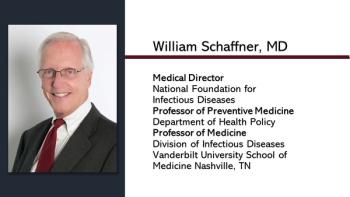
Influenza season in the southern hemisphere is "substantial," says Dr William Schaffner. To prepare: "Vaccinate, vaccinate, vaccinate!"

Drs Francesca Beaudoin, Paul Arnstein, and Jeff Gudin discuss treatment approaches to the case of a 40-year-old patient with acute pain.
Benjamin W. Friedman, MD, MS, presents a case of a 40-year-old patient with acute pain.
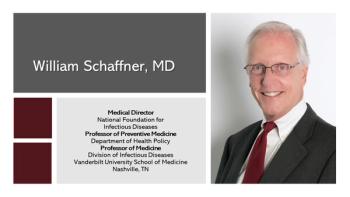
The patients on the vaccine fence are the ones that take the extra time and, over time, an added measure of patience for the clinician.
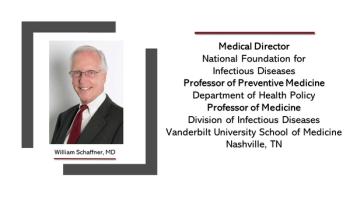
Vaccine fatigue in the US, says Vanderbilt University's William Schaffner, MD, is plentiful for vaccines that are are good—but not perfect.
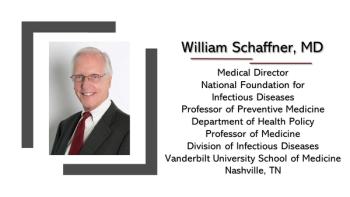
Let's call the next round of COVID-19 shots "updated vaccines," and help the public understand the true role of this vaccination, says NFID's Schaffner.

Respiratory virus season is top of mind for Schaffner, medical director of the National Foundation for Infectious Diseases, and he says it's going to be a challenge.