
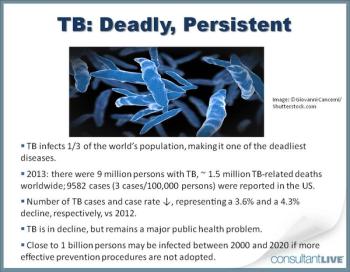
Tuberculosis, measles, and influenza have declined over the years but not gone away. See the slides that follow for key facts and figures on the current state of these ongoing public health threats.
Tuberculosis, measles, and influenza have declined over the years but not gone away. See the slides that follow for key facts and figures on the current state of these ongoing public health threats.

A look around the web at breaking news -- not all of it medical.

Asthma and the metabolic syndrome may be more closely related than once believed. A short slide show summarizes key studies of known connections.

A nasal spray may help men cut calories, a tango-a-day can help keep CVD away, and taking up Spanish or guitar may help a guy remember his anniversary date.
Triptan and ergotamine drugs are staples of acute migraine treatment. But questions about their cardiovascular safety linger in the absence of clear evidence. A short slide show looks at what we do know.
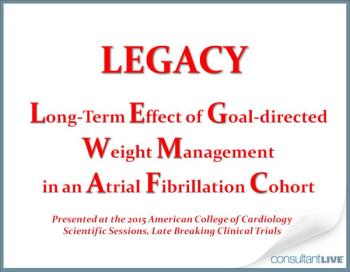
Results of the LEGACY study show long-term weight loss decreases AF burden and supports sustained sinus rhythm. A short slide show summarizes the 2015 ACC late-breaking abstract.
The answer might depend on which study group you ask-and when. Facts from 3 new analyses of testosterone in action are presented in the 7 slides that follow.
Making a good match between a young patient and an inhaler device is a first step toward optimal asthma management. Find a brief review of how to make that match in this short slide show.
Evidence-based recommendations on the intake of free sugars to reduce the risk of noncommunicable diseases are the ingredients of a new WHO guideline. Find the recipe in these slides.
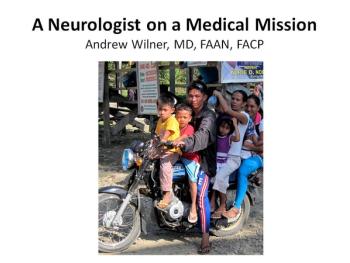
Health expectations and standards of safety in this part of the world are clearly different from what most of us are used to. But it is my impression that “laying on of hands” offers encouragement and hope.

A small study highlights a big point: manage risk factors that affect the atrial fibrillation substrate and ablation therapy success rates improve (ARREST-AF Cohort Study).

Better understanding of migraine causes and related issues could result in enhanced patient care and prevention, but clinicians face some serious challenges-here are 5.

When parents play out worst case scenarios in protest against routine vaccination, maybe one or two of these 6 options for response will come in handy.

In the past few months, the FDA has approved a number of drugs for a variety of primary care disorders. Here’s a look at 11 of the newest.
In the United States asthma affects nearly 7 million children. Brush up on the core components of pediatric asthma care with this short slide show.

The absence of an antidote may soon disappear as a reason to avoid prescribing a novel oral anticoagulant to patients with atrial fibrillation, based on promising phase III trial results.

When is a rhythm control strategy appropriate? Which patients are candidates for amiodarone? When is AF ablation the answer? Here, a top-line review of rhythm control for atrial fibrillation.

Here are the signs and symptoms of the measles in a classic case-in order of their appearance:

If your patient asks you whether it is safe for him to get out there and shovel, here are some tips from the American Heart Association you might want to pass along.
There has been an explosion of diagnostic and therapeutic discoveries affecting the liver. In this slide show: key points on 5 important clinically relevant areas.