































































































































































Your daily dose of the clinical news you may have missed.
Your daily dose of the clinical news you may have missed.

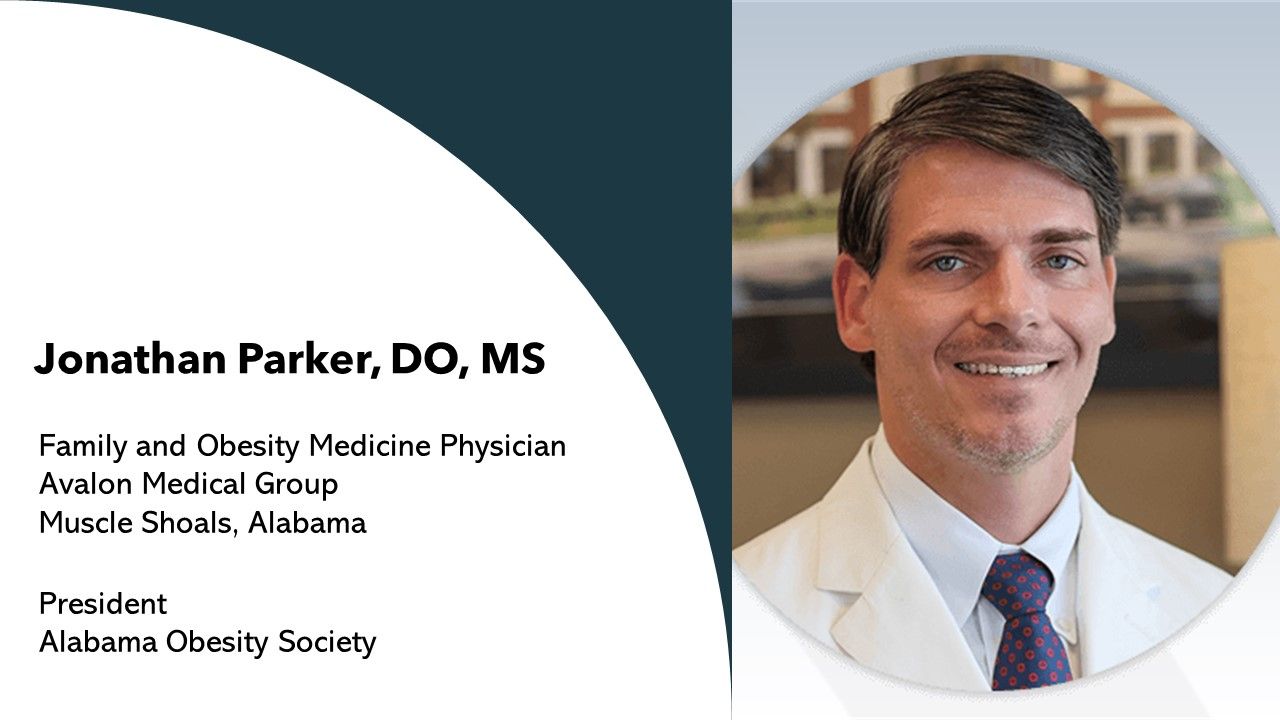
President of the Alabama Obesity Society, Dr Jonathan Parker, provides an in-depth overview of the association between obesity and hypertension.
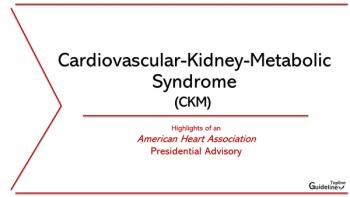
A new paradigm for reducing CV morbidity and mortality provides a comprehensive approach to comorbid metabolic disease including early detection and treatment.

A novel study strongly suggests that pre-pregnancy obesity rather than associated adverse pregnancy outcomes is the "culprit" in postpartum heart disease.

Semaglutide treatment reduced weight and was associated with greater, more consistent improvements in HFpEF than other recently studied drug classes.
Your daily dose of the clinical news you may have missed.
Your daily dose of the clinical news you may have missed.
Your daily dose of the clinical news you may have missed.
Your daily dose of the clinical news you may have missed.
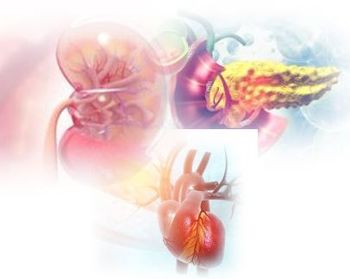
The prevalence of cardiac, renal, and metabolic conditions has significantly increased over 20 years and so has the number of US adults who have all 3.

An e-health lifestyle walking intervention partially supported by remote coaching led to significant improvement in BP in older adults as well as a desire to keep walking.
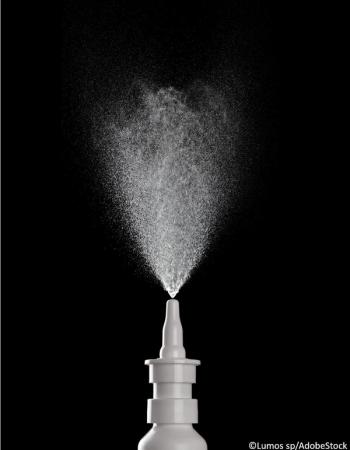
Etripamil 70 mg nasal spray restored heart rate within 30 minutes in approximately 60% of PSVT episodes, report authors of new study.
The 2022 AAFP Clinical Practice Guideline on hypertension treatment in adults is the subject matter for this 10-question topline quiz that is also a good source of review.

Pivotal cardiovascular outcome trials that evaluated cardiorenal benefits of the newer classes were not designed to consider racial/ethnic variations, researchers state.

The biosimilar to the GLP-1 mimetic Victoza proved noninferior for reduction of HbA1c and had similar positive effects on body weight, lipids, and blood pressure.

Empagliflozin is approved to lower the risk of sustained decline in eGFR, end-stage kidney disease, CV death, and hospitalization in adults with CKD at risk of progression.
Your daily dose of the clinical news you may have missed.

Waist-to-hip ratio was more powerfully and consistently associated with risk of all-cause mortality than BMI or FMI, but can it replace BMI as a clinical indicator?

The USPSTF recommends that BP be checked at all prenatal visits for all pregnant persons and calls for reducing vast inequities in maternal health care.
Your daily dose of the clinical news you may have missed.

The AZALEA-TIMI 71 trial was stopped early due to an "overwhelming reduction" in a composite endpoint of major bleeding events compared to rivaroxaban standard of care.

Results from a new study show that older adults with untreated hypertension had a 42% increased risk of dementia vs healthy controls.
Your daily dose of the clinical news you may have missed.
Your daily dose of the clinical news you may have missed.
Your daily dose of clinical news you may have missed.