


Diabetes
Latest News

Advertisement
Latest Videos


















































































































































Advertisement
More News
Richard Rosenfeld, MD, MPH, MBA, lead author of new guidelines on sustained lifestyle change as central to treating, even reversing T2D, answers the question.
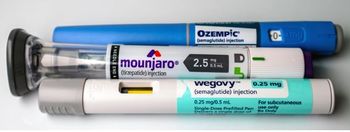
GLP-1 medications are transforming obesity medicine but strong evidence points to a need for integrating nutrition and lifestyle support for lasting weight loss and health benefits.
Richard Rosenfeld, MD, MPH, MBA, explains how clinical guidelines for diabetes remission from the American College of Lifestyle Medicine differ from and augment existing recommendations.
Caissa Troutman, MD, discusses how clinicians can tailor management plans to reduce risk of developing T2D in patients with obesity.

ADA 2025: Dapiglutide showed promising safety and weight loss results in a phase 1b trial, targeting obesity and inflammation with once-weekly dosing.
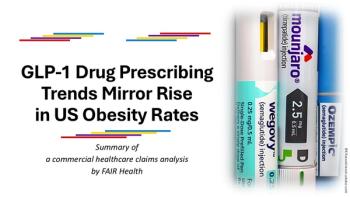
Obesity treatment evolves as GLP-1 medication use surges 587%, while bariatric surgery rates decline significantly. A new analysis parses the trends.

ADA 2025: Once-monthly dosing led to significant weight loss in adults with obesity, with or without type 2 diabetes, reported researchers.

ADA 2025: Mifepristone lowered HbA1c levels by about 1.5% over 24 weeks vs placebo among participants with hypercortisolism and inadequately controlled T2D.
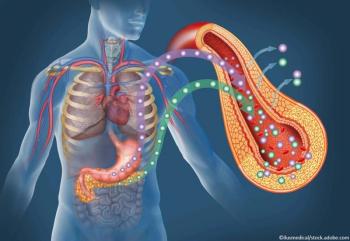
ADA 2025: Orforglipron lowered HbA1C by an average of 1.3% to 1.6% across doses, with improvements seen as early as 4 weeks, in a phase 3 trial.

ADA 2025: Insulin efsitora proved noninferior to daily insulin glargine for reducing HbA1c, resulted in fewer episodes of hypoglycemia, and required fewer dose adjustments.

Advances in obesity pharmacotherapy will be the focus of numerous late-breaking science sessions at ADA 2025; snapshots of 5 studies follow.
The ADA unveils the association's first Standards of Care for Overweight and Obesity, with a chapter on weight stigma and bias one of the first released.

Your daily dose of the clinical news you may have missed.

For individuals with T2D, findings are more than numeric; a 5-mm Hg reduction in SBP reduces stroke risk by 14%, CV events by 6%, and heart failure by 8%, authors wrote.
The American College of Lifestyle Medicine recently published "that guideline," and lead author Richard Rosenfeld, MD, MPH, MBA, says the timing was right.
Your daily dose of the clinical news you may have missed.
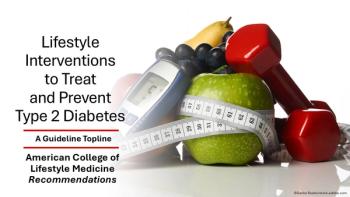
These 14 recommendations from the American College of Lifestyle Medicine comprise the core of the first-ever guideline centered on lifestyle change as a first-line intervention.
High discontinuation rates as well as lower maintenance dosages of semaglutide and tirzepatide were among the independent predictors of lower real-world weight loss.

Novel guidelines include specific strategies that support the prescription, implementation, and monitoring of lifestyle changes to reach glycemic control and, possibly, disease remission.
Your daily dose of the clinical news you may have missed.

Adults with both HTN and T2D had more than twice the risk of all-cause mortality and nearly three times the risk of cardiovascular mortality, according to new data.
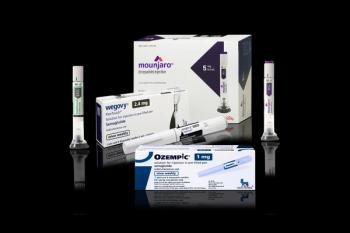
GLP-1 receptor agonists showed promise in lowering obesity-related cancer risks in adults with type 2 diabetes, particularly colorectal cancer.
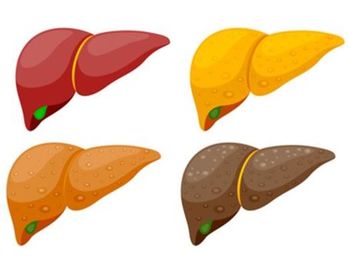
EASL 2025. DA-1241 significantly reduced plasma ALT levels, improved systemic inflammatory and fibrosis biomarkers, according to drug developer MetaVia.
Your daily dose of the clinical news you may have missed.

Persistent hyperglycemia between ages 17 and 24 tripled the risk of left ventricular hypertrophy and did so 5 times faster among young women, a new study found.
Advertisement
Advertisement
Trending on Patient Care Online
1
Fezolinetant May Improve Depression, Anxiety Symptoms in Women With Menopausal VMS
2
Menopause Hormone Therapy Linked to Greater Weight Loss With Semaglutide in Real-World Study
3
Long-Acting Injectable HIV PrEP: Efficacy, Safety, and Injection Reactions
4
AI-Enhanced Virtual Reality Program Delivering CBT Shows Early Feasibility for Menopause Symptoms: TMS 2026
5