


























































































































Infectious Disease

Latest News


CME Content


US researchers recently reported initial phase 1 results from 2 vaccine candidates that successfully produced immune responses in healthy uninfected adults (Gibian JJ. United Press International. November 16, 2006). Eventually, the approach may be used to protect against HIV infection. Barney Graham of the NIH Vaccine Research Center and colleagues performed the tests (Graham BS, Koup RA, Roderer M, et al. J Infect Dis. 2006;194:1650-1660; Catanzaro AT, Koup RA, Roderer M, et al. J Infect Dis. 2006;194:1638-1649).

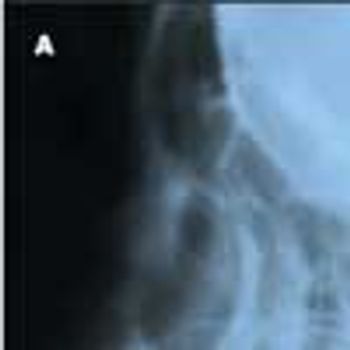
A 68-year-old woman with type 2 diabetes mellitus presented with a sore throat of 3 days' duration and progressively worsening dysphagia to both solids and liquids, including her own saliva. She denied consumption of steak or fish with bones. Attempts to swallow caused her to grimace. Her voice was normal and her airway was clear, but tenderness was noted when the larynx was moved side to side.

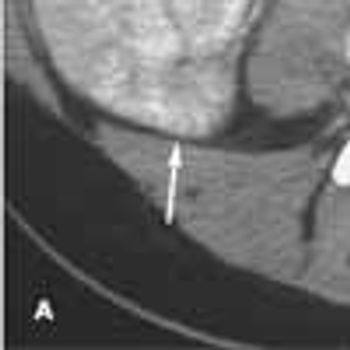
A 41-year-old woman presented to the emergency department with abdominal pain and vomiting of 1 week's duration. She had a history of surgery for bowel malrotation at age 11 days.

Avian influenza primarily affects wild birds and domesticated poultry. Humans acquire avian influenza viruses chiefly through direct contact of the mucous membranes with secretions or excreta from infected birds or contaminated poultry products. The upper respiratory tract and conjunctivae appear to be the main portals of entry. Influenza pandemics occur when new virus subtypes emerge and become readily transmissible among humans. On average, pandemics occur about 3 or 4 times per century. Avian influenza is not a pandemic influenza. It is not easily transmitted among humans, and it has not been found in the United States. Therefore, at present, the risk to persons in this country is considered low.

An agitated and confused 51-year-old man is brought to the emergency departmentby his family and friends. Recently, he had been drinking heavilyand smoking cocaine. He stopped using alcohol and cocaine 2 days earlier,after he began to vomit.

A pruritic rash under the left breast has bothered a 67-year-old woman forthe past month. She takes an antihypertensive and is otherwise healthy.

For 3 months, a 66-year-old retired man has had increasingweakness of the lower legs with stiffness,tingling, and numbness; worsening ataxia; anergia; andexertional dyspnea of insidious onset. He has lost 8 lb,and his appetite is poor. He denies fever, cough, chest orabdominal pain, paroxysmal nocturnal dyspnea, orthopnea,ankle swelling, bleeding disorders, hematemesis,melena, headache, vision problems, sciatica, joint pain,bladder or bowel dysfunction, and GI symptoms. He hasnocturia attributable to benign prostatic hypertrophy.

A 52-year-old woman presents with a3-month history of a tender, erosivedermatitis on the nipples and in thevulvar/perineal region. Can youidentify these lesions?

For the past week, a 16-year-old boy has had a progressively worsening dry, irritating cough; dyspnea on exertion; and intermittent fever and chills. During the past 24 hours, he has had no appetite and has vomited greenish material 3 or 4 times.

Historically, tuberculosis (TB) was the most commoncause of hemoptysis. Classic operas, such asLa Traviata and La Bohème, featured dramatic scenes ofhemoptysis, often with the heroine dying following episodesof deep passion and coughing.

A 32-year-old man complains ofknee pain that resulted when he felland twisted his right knee skiing theday before. He suffered other minorcontusions from the fall, but none ofthese required medical attention. Heis otherwise in good health and hasno relevant medical history.

Quinolones are commonlyused to treat a widevariety of infectious diseases,such as community-acquired pneumoniaand urinary tract infections. Somequinolones are also given as prophylaxisfor spontaneous bacterial peritonitis.These popular antimicrobial agents areassociated with several clinically significantdrug interactions, which can beclassified into 2 major categories1-3:

A 56-year-old African American man presents with a painful “raw” lip that hasgradually developed during the summer. Physical examination reveals a geographic,superficial erosion; notably, the erosion is surrounded by hypopigmentedand, most distally, hyperpigmented rings. The patient believes that exposureto sunlight has aggravated the condition.

For 3 months, a 41-year-old womanhas had a pruritic acneiform eruptionon the lateral aspects of the neck andthe left side of the face. She is otherwisehealthy and takes no medication.

A thin 26-year-old man has hadintermittent diarrhea with abdominalpain, nausea, vomiting, and occasionalepisodes of hematochezia for8 months. He also complains of weaknessand fatigue and has lost 4.5 kg(10 lb) in the past year. The patientis homosexual and admits to havinghad unprotected sexual intercourse.He denies any significant travelhistory.

A 51-year-old woman has had a progressiverash on the trunk, proximalarms, and legs for 2 weeks, followingthe latest round of chemotherapy forbreast cancer. Around the time thatthe rash erupted, she was also takinglevofloxacin for a productive cough.Cutaneous lupus erythematosus wasdiagnosed years ago, but she hasbeen disease-free for the past 5 years.Chemotherapy is being withheldpending diagnosis of the rash.

For the past 3 days, a 45-year-old man has had discomfort andloss of hearing in one ear. There is no fever or history of trauma. The manwas recently treated for an ear infection at a local clinic. Physical examinationreveals erythema of the postauricular area and purulent exudate from the earcanal.

A 46-year-old man presents with right-sided facial paralysis. His symptoms beganthe previous evening when he had difficulty in closing his right eye; by morning,paralysis had developed. He also reports headache and mild photophobia.

To minimize pain when repacking anabscess, remove the old packing, thensquirt 1 mL of 1% lidocaine into theopen wound with a syringe (no needlenecessary).

Telithromycin (Ketek) from AventisPharmaceuticals Inc., is now availableto treat acute exacerbations of chronicbronchitis, acute bacterial sinusitis,and mild to moderately severe community-acquired RTI-includingthose caused by multidrug-resistantStreptococcus pneumoniae. Telithromycin,the first available ketolide, selectivelytargets common respiratorybacteria without significant effects onbacteria not normally associated withRTIs.

The FDA has approved rifaximin(Xifaxan), from Salix Pharmaceuticals,Inc., for treatment of traveler’sdiarrhea caused by noninvasive strains of Escherichia coli. Rifaximinis a nonsystemic, GI-selective, oralantibiotic; the recommended dosageis 200 mg tid for 3 days.