















































































































































After a false positive outcome on screening mammography, a short interval call back for repeat imaging was a significant deterrent to future screening.
After a false positive outcome on screening mammography, a short interval call back for repeat imaging was a significant deterrent to future screening.

Increases in CRC screening were higher in high socioeconomic status and metropolitan areas, according to a new large cohort study.

Cologuard Plus bests its previous iteration and demonstrates greater sensitivity and specificity for any CRC relative to fecal immunochemical tests.
Having a PCP is linked to higher rates of screening colonoscopy and improved overall survival. Review these 12 facts about CRC and share them with your patients.

Breast cancer will claim the lives of more than 42 000 women in 2024. The primary care clinician's role as advocate for screening mammography can not be overemphasized.

The decline in cancer diagnoses during the COVID-19 shutdown in 2020 did not lead to an expected compensatory increase in diagnoses in 2021, according to NCI researchers.
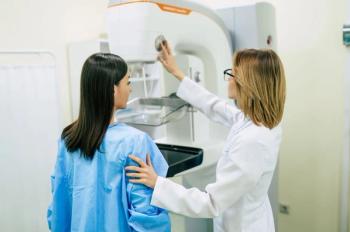
Those least likely to schedule further screening mammograms had received a false-positive with recommendation for follow-up after only a short interval.

Your daily dose of the clinical news you may have missed.
Your daily dose of the clinical news you may have missed.

In a study of adolescents with obesity, symptoms of depression and eating disorders decreased over the course of a 52-week intensive behavioral intervention.

Simple criteria for lung cancer screening identified more people who would highly benefit, including more from racial/ethnic minority groups.

Investigators found as much as a 2-fold difference in being diagnosed with dementia across the US, even after controlling for common individual risk factors.
Researchers observed substantial disparities in burden by cancer type, age group, countries/territories, and a country's level of Human Development Index.

Primary care clinicians can screen at-risk individuals for type 1 diabetes with a single autoantibody panel. It pays to test and educate early, according to this author.
Your daily dose of the clinical news you may have missed.

The AHEAD study program will use plasma biomarker screening, novel PET agents, and other unique approaches to assessing lecanemab effect at the earliest stage of disease.

The Shield blood test is approved for primary CRC screening in adults 45 years and older at average risk for the disease.
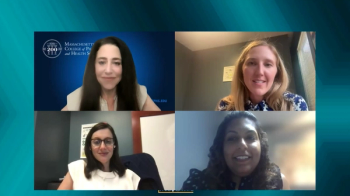
Experts on type 1 diabetes discuss the availability of local medical facilities that offer teplizumab screening and evaluation services for individuals at risk of progression of disease.
Following audience polls, the panelists provide clinical insights into their screening practices for patients with type 1 diabetes, highlighting key antibodies they screen for.
The panel outlines the stages of type 1 diabetes, focusing on the importance of early intervention to prevent complications of the disease.

A blood test had a diagnostic accuracy of 91% compared with 61% accuracy by primary care clinicians and 73% by dementia specialists, according to new research.
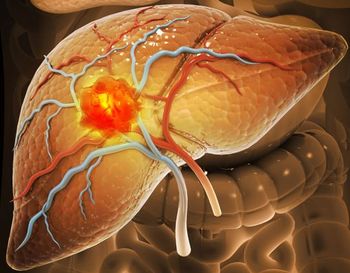
The PATHFINDER 2 and HMS-Galleri trials are proceeding as planned with more than 175 000 participants from diverse backgrounds enrolled across both.

Addressing the significance of acting early in T1D care, a group of diabetes experts delve into the impact of delaying intervention during stage 2 of the condition.

Despite its limitations for use in other populations, a high BMI proved a very good predictor of dangerous fat mass index in youth aged 8 to 19 years in this study.
DDW 2024. An investigational blood-based screening test demonstrated nearly a 80% sensitivity for detecting CRC, according to a large prospective study.