Data on physician malpractice rates are broken down across type of practice ownership, gender, age, geographic region, community type, and more.
Data on physician malpractice rates are broken down across type of practice ownership, gender, age, geographic region, community type, and more.

Which of your patients will use telemedicine now? What type of care will they seek via telehealth? How many would much rather see you in person? More insights from a new survey.

Physicians shared what ancillary services they provided most often in 2019 and how they earned secondary income, in the Medical Economics 91st annual Physician Report.
Physicians break down how much they earn across a variety of criteria, including practice ownership, gender, age, community type, and more.

Patients trust their doctors but are reluctant to visit any medical location, even for needed care, a new survey shows. More, here,on shifts in attitudes and behavior.

As COVID-19 stay-at-home restrictions lift, primary care practices should be strategic about when and how to open. The AMA provides a step-by-step guide.

A majority of group practices are seeing patients in person again as questions on safety, PPE supplies, and patient fears continue.

The most recent responses from primary care physicians to the hard questions about patients and practice (Survey May 6-12, 2020).

In response to COVID-19-related staff shortages, ambulatory physicians may be asked to move to emergency or inpatient care. The AAFP offers a guide to make sure you are protected.

Ensuring patients who have multiple medications actually adhere to their regimen can be tricky. Let these 5 pharmacy services help.

Typed and electronic prescriptions can give way to a host of errors. Check out these 5 from one pharmacist who thought he'd seen it all.
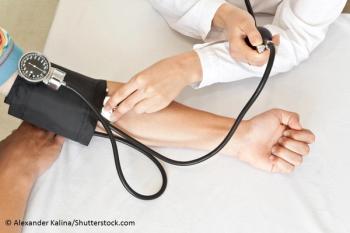
Eliminate or keep the annual physical exam, primary care a primary source for children's mental health care, medical screening in dental offices. Here, a summary of the latest concepts in primary care's evolving role.

Must reads about the latest news and trends in healthcare careers. . .
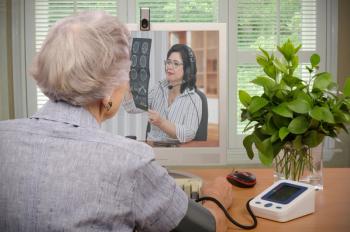
After a virtual visit offering useful medical advice, I have found the patient more likely to follow up. Isn’t that the essence of primary care?

Properly accredited CME replaces computer modules and repeated examinations in this roadmap for continued board certification and optimal lifelong learning.

Patient-centered medical homes and nurse-managed health centers may help mitigate the expected shortage of primary care physicians.
A high burnout rate translates into even more physicians leaving practice, thus adding to an already critical shortage.
How Primary Care Physicians Are FaringThese charts are culled from the annual Physicians Compensation Survey, which is conducted by the editorial staff of Physicians Practice-a sister publication of ConsultantLive. This year, more than 1311 physicians of all specialties completed the survey .The charts you see here show how primary care physicians responded to just a few of the survey questions. We invite you to visit the Physicians Compensation Survey in its entirety to see how your colleagues responded to such questions as: How does your personal income last year compare with the previous year? What was your practice’s overhead as a percentage of medical revenue? How many hours per week do you work, on average?-The Editors
The US health care system can meet the need for primary care providers by fully implementing physician-led patient-centered medical homes, according to an American Academy of Family Physicians report.