
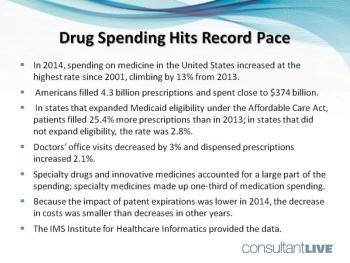
Get highlights in 6 slides of headlines that made news this week: billions spent on medicine; patient myths about opioids; heart and lung health; transparency in research.
Get highlights in 6 slides of headlines that made news this week: billions spent on medicine; patient myths about opioids; heart and lung health; transparency in research.

A look around the web at breaking news -- not all of it medical.

Would Mohs surgery be indicated for this 68-year-old man?

A nasal spray may help men cut calories, a tango-a-day can help keep CVD away, and taking up Spanish or guitar may help a guy remember his anniversary date.

Slang is a window into the healthcare culture, this physician-author says.

Exercise boosts both of these functions, regardless of race. Give your male patients more reasons to engage in this healthy behavior.

Sage advice for your patients: people who don’t change their behavior to prevent falls are almost sure to have them.

ED physicians DO cry-and this one was caught in the act. Far from being universally villified for “losing it,” his all-too-human emotion has struck a much deeper chord.

In testimony to the state legislature on March 18, 2015, Dr Wible endorsed a bill requiring annual depression screening for Missouri medical school students and services to those at risk.
The answer might depend on which study group you ask-and when. Facts from 3 new analyses of testosterone in action are presented in the 7 slides that follow.

Making a good match between a young patient and an inhaler device is a first step toward optimal asthma management. Find a brief review of how to make that match in this short slide show.
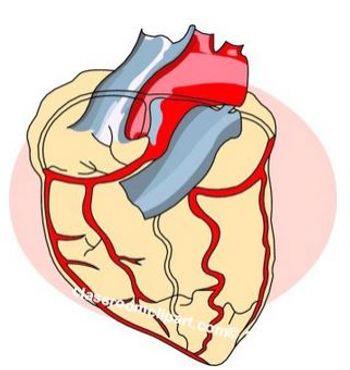
Glucagon-like peptide-1 receptor agonists represent a novel class of antihyperglycemic agents that have a cardiac-friendly profile.

For many obese adults, diet and exercise are not enough to achieve durable weight loss. Three drugs are approved in the US as adjunctive therapy for obesity management. Weigh in with what you know with answers to these 3 questions.

Brief exposure to a variety of modifiable factors-physical and psychosocial-increases the risk of back pain.

Hot flashes and night sweats for more than 7 years during menopausal transition? It’s a reality for many women.

In the past few months, the FDA has approved a number of drugs for a variety of primary care disorders. Here’s a look at 11 of the newest.

These discolored, scaly lesions on this young man’s trunk have recurred for the past 2 summers. He reports that the rash becomes “irritated and itchy” when he is in the sun.
Could repeated episodes of vomiting in this young woman be related to ingestion of a drug?

For the past year, the patient has had episodes of severe nausea, vomiting, headache, and abdominal pain separated by weeks of feeling quite well.