

Men who get more exercise during the week are less likely to experience nocturia, according to one of the first studies to look at the relationship between physical activity and this specific lower urinary tract symptom in men.
Men who get more exercise during the week are less likely to experience nocturia, according to one of the first studies to look at the relationship between physical activity and this specific lower urinary tract symptom in men.

Even the mundane irritants of daily life may be harmful to men's health according to research from Oregon State University's Center for Health Aging Research.

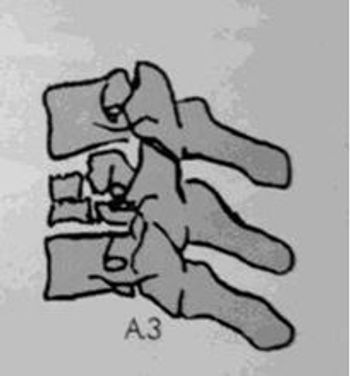
Rushing down a flight of hardwood stairs wearing socks lands a 38-year-old man on his back and then in the ED for evaluation of back pain that prohibits walking. Can you spot the problem on the x-ray?
Spinal fractures are most often the result of falls, motor vehicle accidents, or sports injuries. Lateral process fractures may occasionally be associated with renal injury.

Men who feel stressed are more likely to have lower concentrations of sperm in their ejaculate and impaired sperm quality, which could be associated with fertility problems, according to a new study.
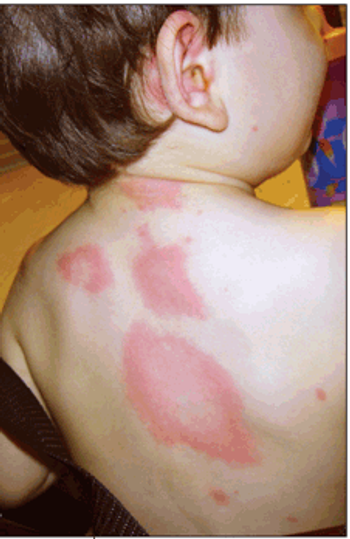
Allergic rhinitis and the “allergic triad,” allergy tests for children, allergic asthma, acute urticaria, a lipstick allergy, allergic contact dermatitis of the scalp-these images show a range of common allergic conditions.
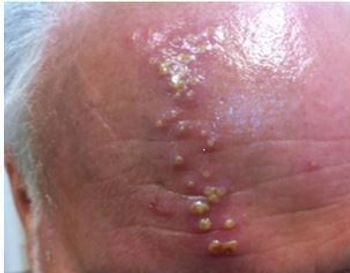
Approximately 1 million cases of herpes zoster are diagnosed in the United States every year. Here, a refresher on the virus and a good look at the rash.

Adults who have survived childhood cancer are at high risk for serious illness but typically are not followed by an adult oncologist. You may be the first to see suspicious signs. Would you know how to proceed?

Nope. No more open-ended questions that may invite wandering answers. Who has time when the double-booked patient sits in the exam room next door?
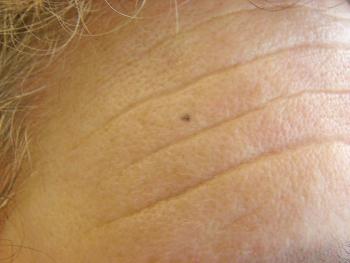
A new dark spot on the forehead; overprescribing of benzodiazepines; alcohol and atrial fibrillation . . . can you answer the quiz questions on these topics?
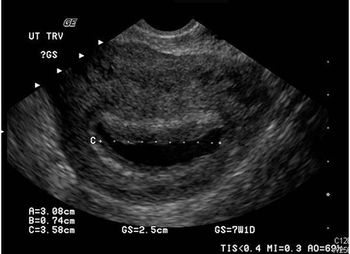
The pain and bleeding have persisted for 2 days. She last menstruated 5 weeks ago but doubts she is pregnant. Take a close look at the ultrasound image. Your Dx?
Results of a pelvic sonogram reveal the etiology of lower abdominal pain and vaginal bleeding in a 26-year-old woman.
LDL cholesterol is a common target for treatment, but the guidelines do not used it to estimate risk, either, notes an editorial on the implications of the news guidelines.

#6. You pray you will be diagnosed with cancer so you can get some time to sleep. Am I right?
In a recent study, the natural age-related decline in aerobic fitness was ameliorated with testosterone therapy in men over age 65 who were diagnosed with hypogonadism.
Fewer than two-thirds of men know the signs of skin cancer and the younger they are the less likely they are to believe they are at risk for the disease, according to a national survey.
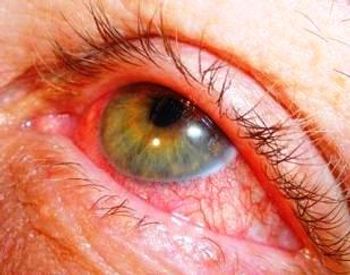
A 43-year-old man had left eye irritation for 2 weeks. He denied trauma, headache, eye discharge, fever, cough, or vomiting; he had mild photophobia and slightly blurred vision. Your Dx?
This patient's presenting symptom, in the context of his overall health, should prompt orders for which follow-up studies?
Here: a quiz about treating oral candidiasis with an azole drug in an HIV-positive person.