

The association of vascular dementia with T2D is stronger than that of nonvascular or Alzheimer dementia, according to a study presented at EASD.
The association of vascular dementia with T2D is stronger than that of nonvascular or Alzheimer dementia, according to a study presented at EASD.

What do clinical guidelines from diabetes, cardiology, and endocrinology associations have in common? A case study quiz with an evidence-based answer explains.
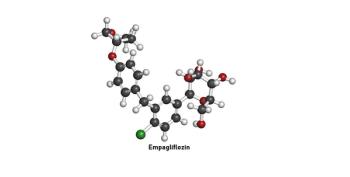
Empagliflozin is now in FDA fast-track development for prevention of hospitalization for HF and reduced all-cause mortality in patients, with/without diabetes, post-AMI.
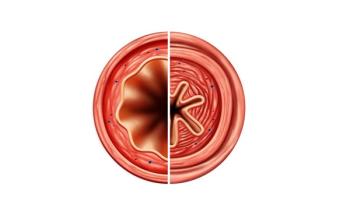
Long-acting muscarinic antagonists, recommended as add-on therapy for asthma, are too often used as monotherapy and are linked with severe exacerbations, a new study finds.
Office blood pressure measurement technique is relatively simple yet widely prone to error. Check your office procedure against guideline recommendations.

COVID-19 has been a boon for 1 chronic disease: hypertension. Brigham and Women's hypertension expert Dr Naomi Fisher says home BP monitoring programs are expanding, at last.
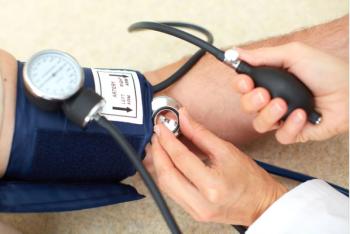
AHA Hypertension 2020: Primary care practitioners rely on officed-based BP measures and outdated cut points to diagnose new hypertension.

Survey: Most US adults feel COVID-19 has made it essential to talk openly about suicide; more than half say it has made them more open to discussing mental health.

Video: How to ensure the best virtual visit for your older patients is discussed by an otologist and a gerontologist from Johns Hopkins School of Medicine.
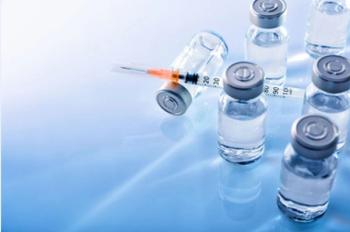
The CDC estimates delivery of a record 194 to 198 million doses of influenza vaccine this year. The primary care imperative: vaccinate, vaccinate, vaccinate.
The risk of having a CVD-related event is increased by 21% for every 1% increase in usual A1c >7% in patients with type 2 diabetes, a new study finds.

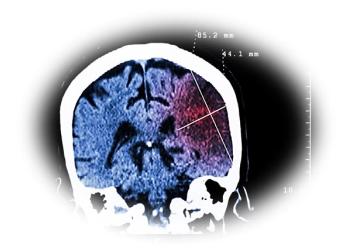
"Beyond hypertension, higher BPV is a major clinical predictor of cognitive impairment and dementia," conclude authors of a new study.
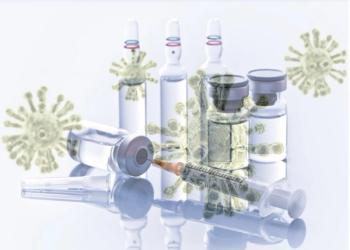
The AstraZeneca-Oxford University investigational coronavirus disease 2019 (COVID-19) vaccine candidate, has expanded into a phase 3 clinical trial.
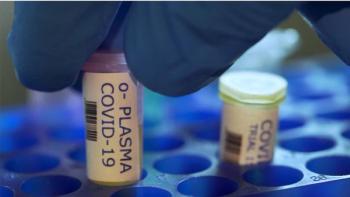
Based on its own review of data on use of convalescent plasma to treat COVID-19, NIH finds insufficient data to recommend for or against its use, the statement says.
Treatment guidelines on COVID-19 from the NIH were updated today based on data from clinical trials of hydroxychloroquine, ivermectin, and IL-6 inhibitors.

Interview: The liver disease itself, and not the associated metabolic dysfunction, may lead to CV death in these patients. Seth Baum, MD, is involved in research for a treatment.

In patients with obesity and type 2 diabetes, metabolic improvements were similar after weight loss induced by surgery or a low-calorie diet.

A Harris Poll finds Americans want a US-approved COVID-19 vaccine allocated here first, the rest of the world next, and our most vulnerable take priority.

VIDEO: NIH-funded infectious disease expert discusses convalescent plasma, remdesivir, corticosteroids, and the COVID-19 vaccine timeline.
VIDEO: Preventive cardiology is a multidisciplinary therapeutic area and primary care clinicians have the advantage of greatest patient exposure to help advance care.

Groups at high risk for influenza and its complications were less likely to receive vaccination while hospitalized vs the general population, according to a new study.

VIDEO: Treatment for ASCVD patients at high risk is lagging behind the availability of powerful new therapies. And, the pandemic does not help, according to Seth Baum, MD.

Patients with severe obesity are 4-times as likely to die from COVID-19, a new study finds, with younger patients and men with obesity at highest risk.

The CDC reports an alarming level of pandemic-related psychological and behavioral distress including thoughts of suicide across US population segments.
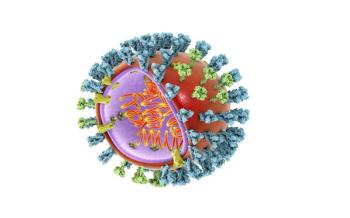
A pulmonary and critical care specialist identifies 4 factors that will, in part, determine the severity of the 2020-2021 flu season and that can inform preparation.
The investigational antiviral remdesivir in phase 3 clinical trials led to faster time to recovery vs placebo and was found to be safe.
NIH "shark tank" week yields 7 COVID-19 diagnostic testing companies now awarded $2.5 million to scale up rapid lab and point-of-care testing.

The National Institutes of Health updated guidance on use of dexamethasone and substitutes in critically ill patients, and on ensuring surrogate decision makers are identified.

US confirmed cases of COVID-19 number nearly 4.5 million; global cases have surpassed 17 million. We summarize more of today's data from the Johns Hopkins COVID-19 interactive map.
Flu vaccination coverage for adults is highest in West Virginia, lowest in Louisiana. Where does your state rank on flu, HPV, pneumococcal and 5 other vaccines?