

AASLD 2025: Semaglutide 2.4 mg shows promise in improving liver health in adults with MASH, regardless of weight loss, according to new trial findings.

Sydney Jennings is the editor of Patient Care Online. She joined MJH Life Sciences in March 2018 after graduating from the University of Connecticut with a BA in Journalism. She can be reached at SJennings@mjhlifesciences.com.
AASLD 2025: Semaglutide 2.4 mg shows promise in improving liver health in adults with MASH, regardless of weight loss, according to new trial findings.

TMS 2025: Katrina Wugalter, MA, discusses research showing that age—not menopause stage—drives brain volume decline, and how lifestyle factors can help preserve brain health in midlife women.

TMS 2025: Regina Castaneda, MD, explains why reproductive stage is a critical variable in obesity and metabolic research.

ACAAI 2025. Phase 3 data show tapinarof cream provides early, sustained improvement and good tolerability in children aged ≥2 years with atopic dermatitis.

Regulatory update aims to align labeling with current evidence on menopausal hormone therapy safety and benefits

Your daily dose of the clinical news you may have missed.

The findings showed evolocumab reduced risk of first major MACE by 25% and risk of first MI by 36%. Full study findings are published in NEJM.

Explore key clinical takeaways from FMX 2025, including updates on CGM, chronic cough, AAA screening, immunization, and more.

This new episode covers global diabetes gaps, salt substitute use, influenza vaccine safety, vaginal estradiol, and preconception CT risks.

ACAAI 2025: Phase 3 results show dupilumab significantly reduced sinus opacification, nasal congestion, and polyp size in patients with AFRS.
Your daily dose of the clinical news you may have missed.

New research suggests hormone therapy may increase autoimmune disease risk in postmenopausal women. Dr Jiang discusses early findings and clinical implications.
Your daily dose of the clinical news you may have missed.
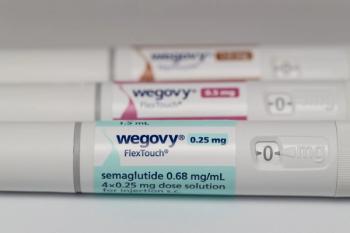
Novo Nordisk’s STEP UP trial shows semaglutide delivers 21% weight loss and reduces key cardiovascular and metabolic risk factors in obesity management.

The FDA approves a single monthly injection of mirikizumab-mrkz for ulcerative colitis, enhancing patient convenience and addressing bowel urgency effectively.
Your daily dose of the clinical news you may have missed.

Lisa Larkin, MD, discusses how elinzanetant may change menopause management for women who can’t use hormone therapy and what PCPs need to know.

Colorectal cancer screenings for 45- to 49-year-olds surge nearly tenfold after new guidelines, highlighting significant shifts in public health practices.
Your daily dose of the clinical news you may have missed.

A quick quiz covering new research on menopause hormone therapy, Alzheimer risk, tirzepatide weight loss, and estetrol’s cardiovascular safety.

TMS 2025: Donna Plecha, MD, discusses how primary care physicians should approach breast cancer screening in women with dense breasts and use MRI effectively.


New research from TMS 2025 covers menopause effects on brain volume, hormone therapy's role in weight loss with GLP-1s, and dense breast screening updates.
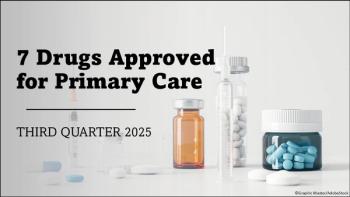
Catch up on the 7 FDA drug approvals from Q3 2025 most relevant to primary care, including new treatments for cardiometabolic, infectious disease, and inflammatory diseases.

Early breast cancer screening at age 40, especially with 3D mammograms, significantly improves survival rates and quality of life, according to Dr Plecha.
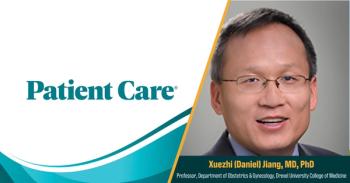
Jiang shares how to use new autoimmune risk data responsibly—identifying high-risk patients while avoiding unnecessary hormone therapy phobia.
Dr. Daniel Jiang shares unexpected research findings showing hormone therapy increased autoimmune disease risk across 15 of 17 conditions in postmenopausal women.
TMS 2025: Jiang explains why he investigated hormone therapy's effect on autoimmune disease risk in postmenopausal women.

The novel once-daily nonhormonal therapy offers a new option to offer women who prefer not to take HRT or for whom it is contraindicated.