





















































































































































PODCAST: Listen to our first episode for new research on bacterial vaginosis, a new treatment option for chronic urticaria, and more.
PODCAST: Listen to our first episode for new research on bacterial vaginosis, a new treatment option for chronic urticaria, and more.
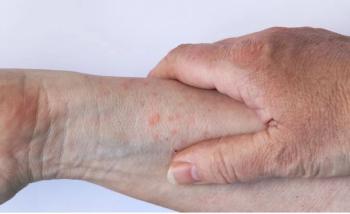
New data also demonstrated mixed sex disparities in elderly atopic dermatitis prevalence.

Panelists discuss how choosing topical treatments requires individualized therapy considering factors such as affected body areas, disease severity, patient age, formulation preferences, and insurance coverage.
Panelists discuss how roflumilast demonstrated good efficacy with 56% to 57% of patients achieving an Investigator’s Global Assessment (IGA) score of 0 or 1 after long-term use, making it effective for maintenance therapy with good tolerability.
Panelists discuss how newer nonsteroidal topical treatments like phosphodiesterase-4 inhibitors (crisaborole and roflumilast), JAK inhibitors (ruxolitinib), and aryl hydrocarbon receptor agonists (tapinarof) are expanding options for atopic dermatitis treatment.
Panelists discuss how long-term use of topical steroids is prevalent with 50% of patients using them 15 to 30 days per month, leading to concerns about adverse effects, including topical steroid withdrawal syndrome.
Panelists discuss how even mild atopic dermatitis can significantly impact quality of life, with 11% of patients with mild symptoms reporting moderate to large impact on their daily functioning.
Panelists discuss how topical steroids should be used intermittently with scheduled breaks to prevent adverse effects like skin atrophy, striae, and telangiectasias.
Panelists discuss how various assessment tools like the IGA, EASI score, and BSA are used to determine the severity of atopic dermatitis and document findings for insurance purposes.
Panelists discuss how atopic dermatitis (AD) affects approximately 7% of adults, has increased by 3% to 5% over the last 5 years, and impacts different body regions depending on age groups.
Panelists discuss how atopic dermatitis presents with red, scaly, itchy, dry, and inflamed skin and is commonly diagnosed in childhood, although it can occur at any age, with frequent flares and comorbid conditions like asthma and allergies.

Your daily dose of the clinical news you may have missed.

The investigational botanical zabalafin hydrogel has shown antipruritic, antibacterial, and anti-inflammatory properties, addressing the multifactorial nature of AD.

Black children were 2.4 to 4.1 times more likely to experience early-onset and persistent disease than White peers and much more likely to require urgent care for their AD.

Highlights from AAD 2025: Experts share updates on systemic therapy for atopic dermatitis, pediatric rashes, and contact dermatitis for PCPs.
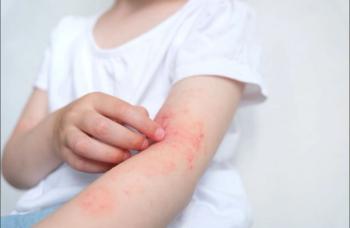
Dupilumab significantly improved measures of severe AD, including EASI and IGA, as well as pruritis in pediatric populations aged 6 months to 18 years vs placebo.
The April issue covers atopic dermatitis, highlighting primary care’s role in early diagnosis, key updates from recent conferences, and more.
Your daily dose of the clinical news you may have missed.
Your daily dose of the clinical news you may have missed.
Your daily dose of the clinical news you may have missed.

In an interview at AAD 2025, Katrina Abuabara, MD, stressed the importance of collaboration between primary care physicians and dermatologists.

NIH researchers also proposed new diagnostic criteria that include a combination of major and minor symptoms, offering improved sensitivity for identifying TSW cases.
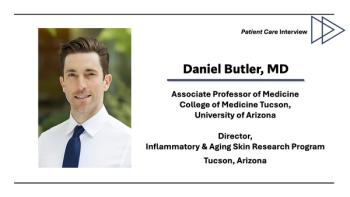
Antihistamines for itch caused by disorders like atopic dermatitis pose more problems, like sedation and fall risk, than they provide relief, according to Daniel Butler, MD.
AAD 2025: Tracing the multiple pathways that contribute to chronic itch vs looking for a singular cause helps optimize choice of therapy, Butler says.

Dr Swanson discusses the resurgence of measles and emphasizes the safety and efficacy of the measles vaccine.