















































































































































The predictive value of loneliness for cardiovascular disease in patients with diabetes was stronger than traditional lifestyle risk factors in large UK Biobank analysis.
The predictive value of loneliness for cardiovascular disease in patients with diabetes was stronger than traditional lifestyle risk factors in large UK Biobank analysis.

The ADA's annual update includes refined criteria for type 1 diabetes screening and detailed guidance on detection and management of NAFLD and NASH.

In our latest episode, 2 obesity experts discuss the importance of early intervention to reduce risk for complications, suggestions for managing patients in primary care, and more.

KidneyIntelX.dkd, a first-in-class AI-enabled prognostic test, stratifies risk of DKD progression in 5 years and is specific for early stage disease.

ADA 2023: Findings from a new study show that higher levels of glycemia in childhood are associated with future microvascular complications, such as nephropathy and retinopathy.

Your daily dose of clinical news you may have missed.

Listen to 2 obesity experts discuss the impact of the COVID-19 pandemic on obesity-related type 2 diabetes.

ADA 2023. Results from PIONEER PLUS trial showed oral semaglutide 25 mg and 50 mg were superior than 14 mg in reducing HbA1c and body weight in adults with T2D.
Your daily dose of clinical news you may have missed.

ADA 2023: SURMOUNT-2 findings show tirzepatide is associated with greater weight loss in adults with T2D than any other treatment studied to date.

Type 2 diabetes will continue to comprise more than 90% of this population and obesity will be the primary driver, according to Global Burden of Disease researchers.
ADA 2023. Retatrutide, an investigational triple GLP-1/GIP/glucagon agonist, may provide benefits in liver fibrosis and obesity as well as in glycemic control.
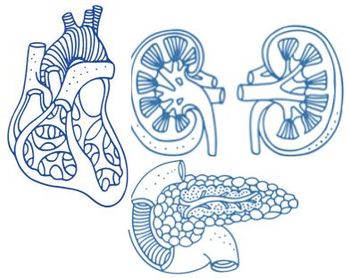
SGLT-2 inhibitors were found to consistently reduce risk of CV mortality and HF events in a meta-analysis including 90 000 high-risk patients with T2D, CKD, and/or HF.

Early intervention is important to reduce the risk for complications for patients with obesity and type 2 diabetes. Two obesity experts explain more, here.
The 2 SGLT-2 inhibitor-based medications are the first in the class to be approved for pediatric T2D and provide a much needed additional oral treatment option for the population.

Eden Miller, DO, shares key takeaways on how personalized treatment helps in the management of diabetes.
Elizabeth Holt, MD, FACE, and Eden Miller, DO, comment on the pros and cons of real-world data studies, looking particularly at the study of the OneTouch Verio Flex meter and the OneTouch Reveal apps.

Experts discuss steps to introduce the OneTouch Verio Flex meter and the OneTouch Reveal app to patients to better manage diabetes.

ENDO 2023
ENDO 2023. The pattern of intermittent fasting improved glycemic measures in a weight-independent fashion after just 7 days, according to the study abstract.
Your daily dose of clinical news you may have missed.
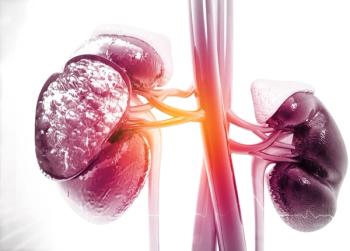
Finerenone was associated with a decrease in composite CV risk in patients with CKD, T2D, eGFR of ≥25, and moderately to severely increased albuminuria.
Your daily dose of clinical news you may have missed.
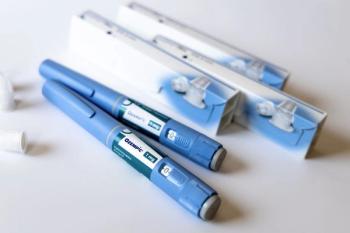
Nearly half of responding medical professionals said patients without T2D have asked for an Ozempic Rx and about 18% of them have provided one, avoiding significant backlash for a denial.
Your daily dose of clinical news you may have missed.

Patients with diabetes had a 35% higher risk of COPD compared with those without diabetes, according to new research.