























































































































































Experts review the role of the urinary albumin-to-creatinine ratio (UACR) and estimated glomerular filtration rate (eGFR) in current DKD progression screening practices.
Experts review the role of the urinary albumin-to-creatinine ratio (UACR) and estimated glomerular filtration rate (eGFR) in current DKD progression screening practices.

Aida Vega, MD, and Fernando Carnavali, MD, discuss the limitations of the tools available to clinicians to screen for DKD, such as Kidney Disease: Improving Global Outcomes (KDIGO).

Fernando Carnavali, MD, comments on the prevalence of diabetic kidney disease (DKD) in the United States, the financial burden on patients and the healthcare system, as well as the importance of early detection of kidney disease in patients with diabetes.

Women with ischemic heart disease who were metabolically unhealthy but fit were more than 50% more likely to experience a major adverse cardiovascular event.

The wearable tubeless insulin delivery device provides a fixed rate of continuous long-acting insulin for 72 hours, requiring no needles or injections.
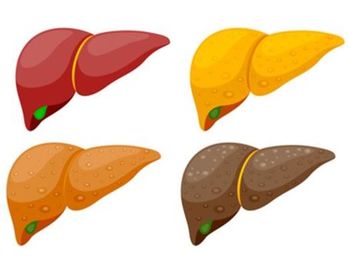
In persons with biopsy-confirmed NASH, the probability of disease resolution was more than 3X greater after RGB or SG vs lifestyle intervention at 52 weeks.

Higher intake of sugar-sweetened drinks was linked to increased risk of all-cause death and CVD while healthier choices were inversely associated with both, a new study found.

Screening for diabetes by weight will increase diagnoses; weight regain after loss doesn't cancel health benefits; strategy tested to improve RSV detection; and 2 more studies of note.

Your daily dose of clinical news you may have missed.

Among persons with prediabetes who reverted to normoglycemia, only those who remained physically active saw a reduced risk of all-cause death, study authors report.

A new study examines the legacy effects of weight loss on cardiometabolic disease risk factors, finding benefits persist up to 5 years, despite weight regain.
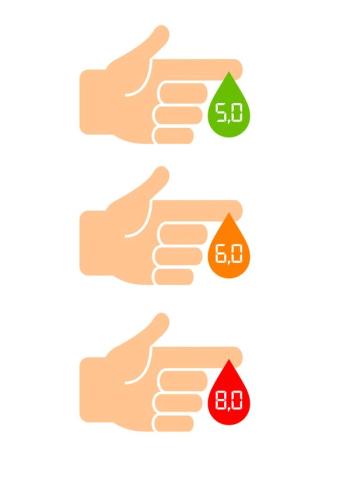
The disproportionate prevalence of undiagnosed diabetes among racial/ethnic minorities in the US begs for a new screening paradigm; this may be the one.
Your daily dose of clinical news you may have missed.
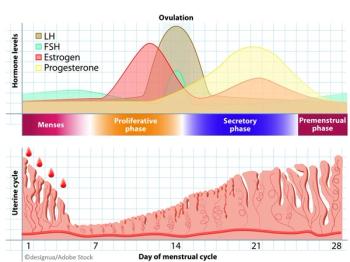
Women whose menstrual cycle varied in frequency had a significant 24% greater risk of a composite cardiovascular event during a 26-year follow-up, a new study reports.

Sanofi is the third key insulin maker to announce reductions in the cost of its products, joining other giants Eli Lilly and Co and Novo Nordisk.
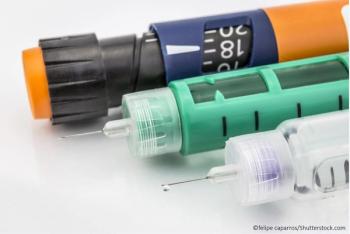
The announcement follows by 2 weeks a similar plan from Eli Lilly to reduce patient costs as the Biden administration touts effects of new laws on drug prices.
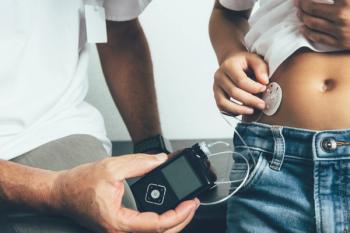
Young children using a hybrid closed-loop insulin delivery system spent 12% more time within their target blood glucose range than those who received standard care, according to new research.
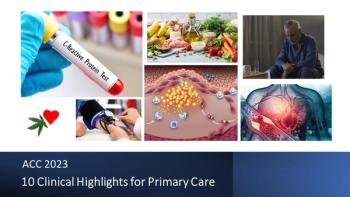
Ketogenic diet comes with cautions, new benefits of bempedoic acid, how to increase GDMT for type 2 diabetes, and CV consequences of cannabis lead findings from ACC 2023.
Each of the quotes is taken from a study reviewed on Patient Care during the week and was chosen for the research team’s passion about the clinical implications of their findings.
Your daily dose of clinical news you may have missed.

The SGLT-2 inhibitor, if approved for this age group, would be the first agent in the class with the indication as adjunctive treatment for T2D for those younger than age 18.

ACC2023. For high-risk T2D patients not receiving optimal treatment for hyperlipidemia, hypertension, or hyperglycemia, intensive, multidisciplinary training for clinic staff could shift practice.

ACC 2023. Type 2 diabetes and CKD in patients with CVD are mutually independent predictors of MACE, concluded authors of a new study.
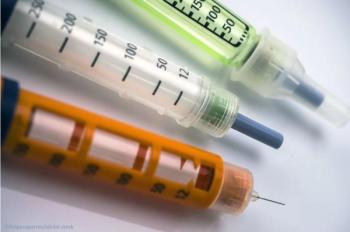
Some of the insulin price cuts announced will be effective immediately, others will roll out in April and May; Lilly Chair and CEO calls industry and lawmakers to join the effort.