




















































































































































Women who gave birth to infants in the highest birthweight category were at a 21% increased risk for prediabetes/diabetes 10 to 14 years later.

Highly Processed Food is Produced to Be as Rewarding as Humanly Possible, Says Food Addiction Expert
Women who gave birth to infants in the highest birthweight category were at a 21% increased risk for prediabetes/diabetes 10 to 14 years later.

The proportion of adults with diabetes and obesity in the US increased from 1999 to 2020, though more adults achieved blood pressure and lipid control during the same period.
The beneficial effects of SGLT-2 inhibitors in reducing CV death and heart failure hospitalization in patients with T2D are related to body weight, suggest new data.

Your daily dose of clinical news you may have missed.

Risk of T2D was reduced by 49% over a 10-year follow up period among study participants who followed a vigorous or moderate exercise plan vs those who did not engage in exercise.
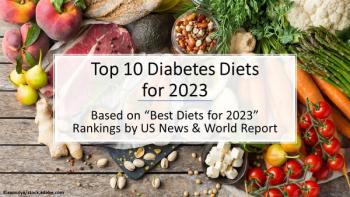
The DASH diet, Mediterranean diet, and Flexitarian diet top the list of 10 best diets for persons with diabetes as ranked by US News and World Report.

A pivotal study with 40-year follow-up of post-bariatric surgery patients reinforces long-term benefits of the procedures on all-cause and cause-specific mortality.
Your daily dose of clinical news you may have missed.

Bexagliflozin significantly improved glycemic control in adults when used as monotherapy, in combination with metformin, or when added to several SOC regimens.
Adults with T2D may be able to reduce their liver fat and improve their liver fibrosis stage with reductions in HbA1c, according to findings from a retrospective analysis.
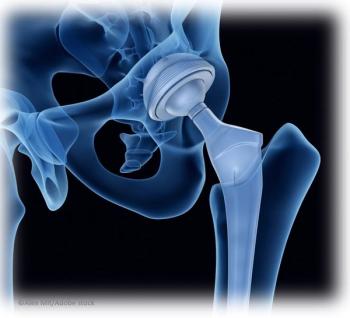
Investigators report a 30% reduced risk of total joint replacement in persons with type 2 diabetes treated with metformin vs those who did not receive the drug.

An overall good quality of diet and higher fish intake during pregnancy were related to better language skills in 2-year-old children, according to new study.

This topline look at the KDIGO 2022 updated guideline highlights new recommendations for clinical use of SGLT2i, GLP-1 RA, and nonsteroidal MRA.

The update removes a previous limitation that stated semaglutide should not be used as an initial therapy for treating patients with T2D.

Diabetes cases in the US among those younger than age 20 years, if left unchecked, are projected to increase by more than 600% by 2060, according to new projections.

A global prevalence of osteoporosis among persons with T2D of more than 25% calls for greater focus on screening for and managing the bone loss disease in this population.
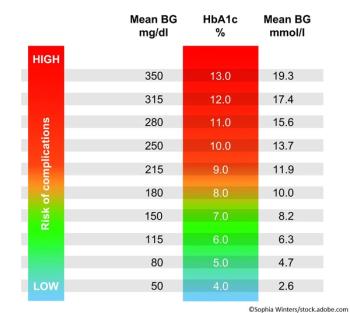
Optimal glycemic control (less than 7%) in participants from the Look AHEAD trial was associated with smaller increases in frailty index score vs poorer control over the 8-year study period.


Find a compact sampling of 2022 research on type 2 diabetes and its treatment reviewed on Patient Care, chosen by the editorial staff.
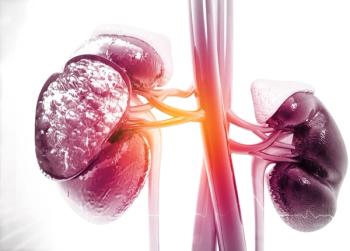
Find a compact sampling of 2022 chronic kidney disease research reviewed on Patient Care, chosen by the editorial staff.

About one-quarter of children with T2D are not obese, according to a meta-analysis, making comprehensive screening essential in the population.

The Dexcom G7 continuous glucose monitoring system provides an overall MARD of 8.2%, the highest of any FDA-cleared CGM, the company says.

Empagliflozin is the first SGLT-2 inhibitor to demonstrate a statistically significant reduction in HbA1c in children and adolescents with type 2 diabetes.

An obesity specialist explains why clinicians should start at the root cause when managing patients with type 2 diabetes and obesity.

Teplizumab, an anti-CD3 monoclonal antibody, delayed the median onset of stage 3 T1D by approximately 2 years compared to placebo in a pivotal clinical trial.