

























































































































































Lowering thresholds for BMI value and age of first diabetes screening among large US minority populations could greatly increase rates of diagnosis and improve care.

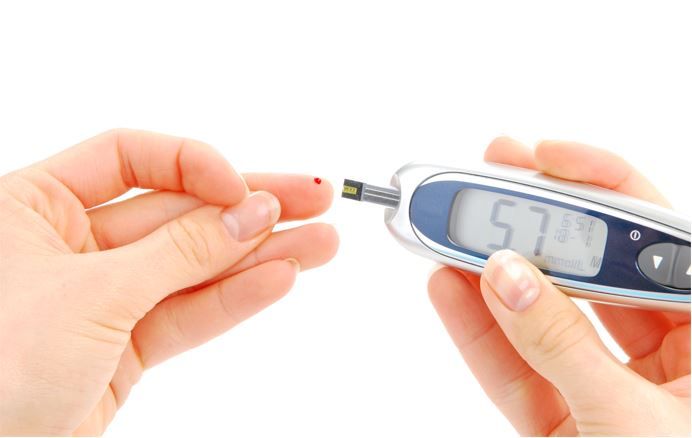
Early, Consistent Glucose Control May Be Key to CVD Risk Reduction in Type 2 Diabetes: A Primary Care Analysis
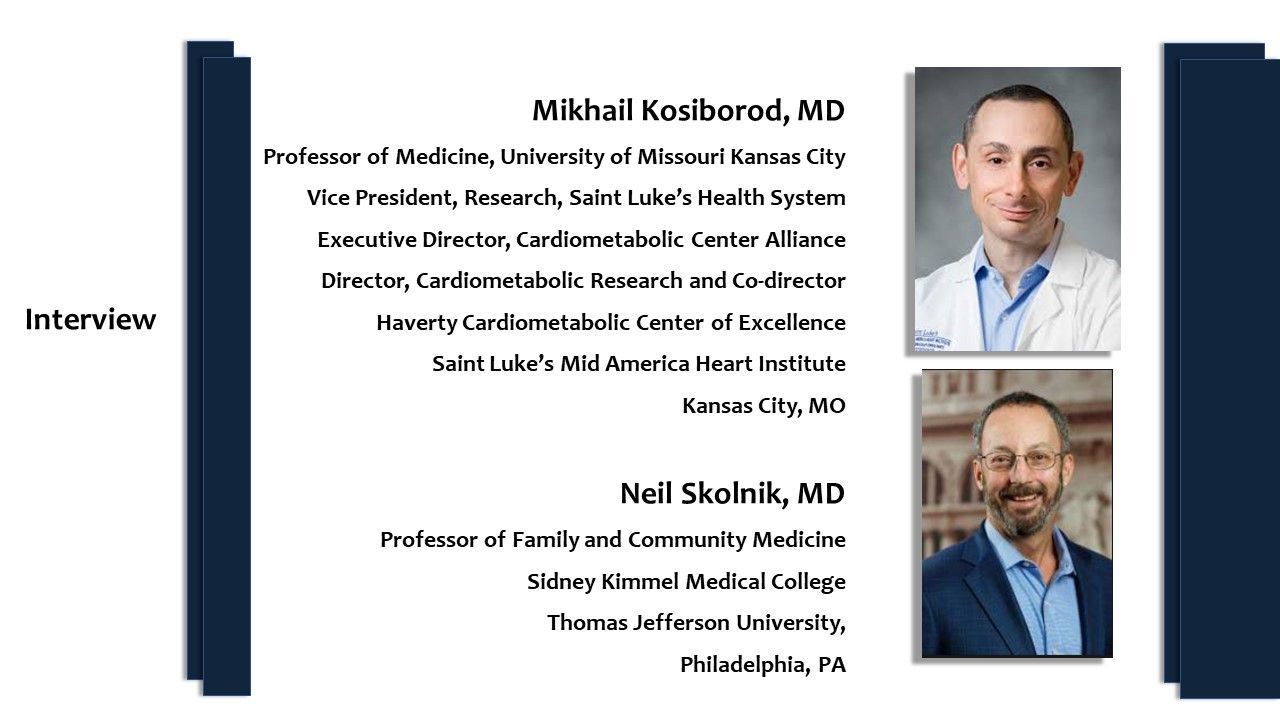
SGLT-2 Inhibitors Belong to Patients, Not a Specialty or Primary Care: Experts Discuss
Lowering thresholds for BMI value and age of first diabetes screening among large US minority populations could greatly increase rates of diagnosis and improve care.

HbA1c levels over time were found higher at initiation of second-line treatment in veterans aged 55 years and younger, a trend unsettling to a new study's lead author.
SAMPLE: What was the first FDA-approved CGM system to include a fully implantable sensor to detect glucose?
Initiation of second-line type 2 diabetes treatment is lagging while A1c at the time it is introduced is climbing. The author of a new study highlights his findings on clinical inertia.
PCPs and internists accounted nationally for 57% of SGLT2i and 52% of GLP1RA prescriptions in 2020, more than any other specialty, according to new research.

Treatment with intranasal insulin improved executive function and verbal memory, as well as other measures, in participants with and without type 2 diabetes.

The ONWARDS 2 trial achieved its primary endpoint of demonstrating non-inferiority in reducing HbA1c at week 26 with insulin icodec vs insulin degludec.
Dr Diana Isaacs provides insight on current challenges in the clinical treatment of patients with diabetes and shares clinical pearls for the use of CGMs in disease management.
Diana Isaacs, PharmD, BCPS, BCACP, BC-ADM, CDCES, evaluates upcoming CGM advances in the pipeline for the management of diabetes.

Researchers developed polygenic risk scores for 6 common diseases and informational resources to help primary care physicians incorporate them into clinical practice.

The NDA for daprodustat, a novel investigational agent, is based on data from pivotal ASCEND program clinical trials.
Dr Diana Isaacs reviews the significance of Eversense’s recent approval for a 180-day indication and the potential role of Dexcom G7 in the diabetes treatment landscape.
Diana Isaacs, PharmD, BCPS, BCACP, BC-ADM, CDCES, comments on the accuracy and selection of CGMs in treating diabetes and shares insight on the evolution of CGM systems over the past year.
SuperWIN trial findings suggest the future of successful health care depends on harnessing familiar, community- based resources to maintain health and deliver care.

Wade Brosius, DO, Shelton Hager, MD, and Steven Peskin, MD, answer questions relating to diabetic retinopathy screening devices and highlight novel technologies utilized in this space.

A panel of experts in the management of diabetes answer questions relating to the importance of early screening and detection of diabetic retinopathy and provide practice pearls for how to facilitate in-office screenings.

Allen Dobson, Jr., MD, FAAFP, reviews the case of a 49-year-old woman with type 2 diabetes and the panel comments on their approaches to continued care and disease prevention.

Wade Brosius, DO, and Steven Peskin, MD, review the cost of care and reimbursement schemes available to practitioners completing diabetic retinopathy screenings.

Key opinion leaders in diabetes management provide insight on recognizing and addressing barriers to care and screening for diabetic retinopathy.
Allen Dobson, Jr., MD, FAAFP, reviews the case of a 67-year-old man with type 2 diabetes and the panel discusses initial diagnosis and management.
Key opinion leaders in diabetes management comment on the practical considerations of screening in clinical practices and note the importance of creating a replicable workflow for busy practices.
An expert in the management of diabetes provides insight into common challenges leading to low rates of diabetic retinopathy screening in primary care settings, highlighting the need to increase access to care.
Wade Brosius, DO, and Steven Peskin, MD, discuss the clinical and economic burden of diabetic retinopathy, highlighting the impact on patients’ quality of life and the health care system.
Allen Dobson, Jr., MD, FAAFP; Wade Brosius, DO; and Shelton Hager, MD, provide an overview of diabetic retinopathy and discuss risk factors leading to its pathogenesis.
An expert in diabetes management discusses the role of CGMs in treating diabetes during the COVID-19 pandemic and the benefits of using CGM in telemedicine.