











































































































































The first nonsteroidal mineralocorticoid receptor antagonist to be approved for adults with T2D-associated CKD fills a significant treatment void for millions of patients.
The first nonsteroidal mineralocorticoid receptor antagonist to be approved for adults with T2D-associated CKD fills a significant treatment void for millions of patients.

A recent study found that the use of statins in patients with newly diagnosed T2D reduced incidence of cardiovascular disease and death, particularly among older patients.
The SGLT-2 inhibitor class, originally approved as antihyperglycemic agents for T2D, has proven "pluripotent," adding indications for related conditions. Test your knowledge of a few basic facts.

Diabetes investigator John Buse, MD, PhD, says laser focus on reducing T2D risk factors is equally as important as using the next right drug against the disease.
Dr Buse’s in-depth review of the GRADE study is followed by a discussion of the keen need for more comparative research and the many new questions the results have raised about optimal T2D therapy.
ADA 2021. A subgroup analysis of the FIDELIO-DKD trial showed that finerenone use was beneficial regardless of baseline insulin use among patients with T2D and CKD.
Preliminary GRADE study results showed that liraglutide and insulin glargine added to metformin maintained A1c level in target range longer than glimepiride or sitagliptin.
ADA 2021. Dapagliflozin was found to reduce type 2 diabetes incidence among patients with chronic kidney disease in a prespecified analysis of the DAPA-CKD trial.
ADA 2021: The investigational exendin-4-based GLP-1 RA was associated with a 27% decrease in risk for a CV event and a 32% reduction in risk for CKD progression.
ADA 2021. A prespecified subanalysis of FIDELIO-DKD found primary and secondary renal and CV endpoints consistent whether or not GLP-1 receptor agonists were on board at study baseline.
The much anticipated results from the SURPASS 2 clinical trial demonstrated reductions in A1c and body weight with tirzepatide that were significant and superior to those with semaglutide.
ADA 2021. A prespecified subanalysis of FIDELIO-DKD found primary and secondary renal and CV endpoints consistent whether or not SGLT2 inhibitors were on board at study baseline.

STEP program investigator Robert F. Kushner, MD, reviews the "unprecedented" clinical trial results for semaglutide 2.4 mg and speaks specifically to primary care clinicians treating obesity.
Data released today at the American Diabetes Association 81st Scientific Sessions on a spike in new onset pediatric T2D at a single center during COVID-19 may signal much wider incidence.
Leading international diabetes researchers and clinicians will use the ADA's 81st annual Scientific Sessions as an ideal classroom to examine pandemic impact on diverse populations with diabetes.
The upcoming ADA virtual 81st Scientific Sessions will feature 5 sessions on the latest diabetes developments learned during the initial phases of the COVID-19 pandemic.

The novel Bigfoot Unity Diabetes Management System could help improve insulin dosing in patients with type 1 or type 2 diabetes.

Adults in their 30s and 40s who had high BMI in adolescence were at highest risk for type 2 diabetes and early MI, regardless of adult BMI, after 24 years of follow-up, a new study finds.
The American Diabetes Association 2021 Scientific Sessions run from June 25 to 29. This short slide show highlights 6 clinical trial updates that are a "must see" for primary care clinicians.

MOBILE study lead author Tom Martens, MD, talks about the inherent benefits of CGM for T2D patients on basal insulin treated in primary care and also the challenges to this vision of patient care.
MOBILE study lead author Thomas W. Martens, MD, discusses results of the study which was designed to capture CGM results in real-world primary care practice.
Patients with T2D see significant improvement in glycemic control using continuous glucose monitoring. MOBILE study lead author Thomas W. Martens, MD, highlights the evidence.
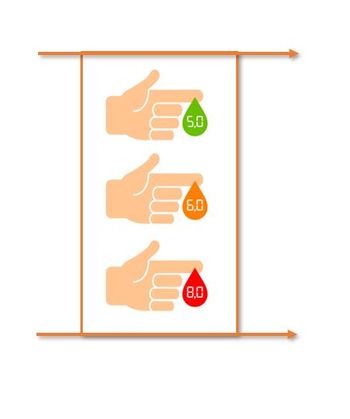
Assessment of prediabetes subphenotypes is a novel approach to better screening, prevention, and treatment for patients at risk of progression to T2D. Find out how much you know about it.

A new study challenges traditional criteria for patient selection for metabolic surgery, demonstrating significant weight loss and disease remission for those with BMI of 30-35.

Analysis of NHANES data shows significant downturns in control of the 3 risk factors in patients with diabetes, which could mean population-level increases in related illness.