

















































































































































More than half of adults with obesity who received once-weekly semaglutide lost 15% of body weight, according to the recently published STEP 1 study.

More than half of adults with obesity who received once-weekly semaglutide lost 15% of body weight, according to the recently published STEP 1 study.

A new modeling study estimates that 64% of US COVID-19 hospitalizations were attributable to at least 1 of 4 pre-existing cardiometabolic conditions.
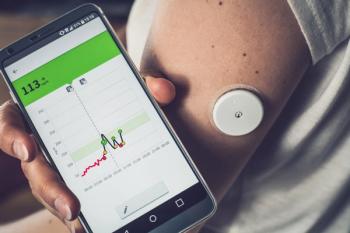
A new review of >60 000 patients with diabetes found CGM use during the early weeks of the COVID-19 pandemic improved their time in range.

New research suggests obesity is responsible for 30%-53% of new type 2 diabetes cases in the US annually.
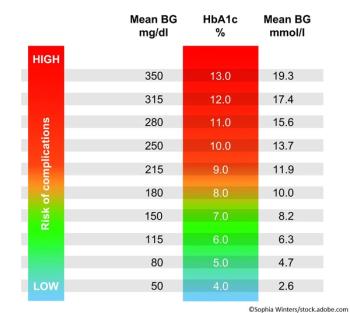
Variability in A1c during the first 2 years after T2D diagnosis is a strong predictor of CV disease; study authors note the risk may be mediated by severe hypoglycemic episodes.
Video: George Bakris, MD says over the next 3 years there is going to be an "explosion" in the number of studies we see in heart failure, diabetic kidney disease, and CV risk in general.
Director of the Brigham and Women's Diabetes Program Marie McDonnell, MD, talked with our editor about 2020 studies on SGLT-2 inhibitors, insulin icodec, and more.
Compared to medication and lifestyle changes, metabolic surgery is more effective in the long-term control of severe T2D, a new study found.
Physical activity cannot compensate adequately for the negative impact of excess body weight on cardiometabolic health.
Sotagliflozin reduced CV death and hospitalization for HF in patients with T2D and acute symptomatic HF when given during or immediately after hospitalization.
The most popular features in preventive cardiology this year were interviews with thought leaders on management of diabetes, hypertension, and hypercholesterolemia.

A recent study showed women who adhered to a Mediterranean diet had a 30% lower rate of type 2 diabetes vs women who did not.
Patients with chronic kidney disease have had no treatment options to slow the certain progression to renal failure. Enter SGLT2 inhibitors. A key clinical trial investigator explains.

Primary care clinicians should be the first to prescribe SGLT2 inhibitors for many reasons, as explained by Prof Jonathan McMurray in this Patient Care interview.

DAPA-CKD investigator Professor John McMurray details the trial and renal and cardiovascular outcomes for Patient Care Online.

Director of the Brigham Diabetes Program at the Brigham and Women's Hospital discusses the latest in diabetes management.

Once-weekly semaglutide 2.0 mg vs 1.0 mg led to statistically significant, superior reductions in A1c and weight in type 2 diabetes patients not at goal, study finds.

AHA: DAPD-CKD investigator Prof John McMurray talks to Patient Care about the “revolutionary” findings he will highlight at the AHA sessions on opening day.

A new study of Japanese adults with type 2 diabetes found dual consumption of green tea and coffee reduced mortality risk by >60%.

Video: Obesity expert Dr Louis Aronne outlines the role of medication in obesity treatment and says primary care is absolutely the place to begin.
Adults with diabetes admitted to a New York City hospital with COVID-19 had a lower mortality risk if they received a statin, a new study found.

Preventive Cardiology Collection Table of Contents: Expert video interviews, short, clinical guideline-focused quizzes, facts at-a-glance slideshows, plus news.

Rapidly rising obesity rates in the US threaten to reverse decades of effort against cardiometabolic disease. How well do you know what experts recommend for your at-risk patients?

Carl "Chip" Lavie, MD, author of the original book titled, "The Obesity Paradox" explains the paradox of metabolic health in the obese, how it wanes, and an essential element to maintain it.
Waist circumference measures, complementary antihypertensives, appropriate exercise levels for T2D patients--test what you know about cardiometabolic risk and management.